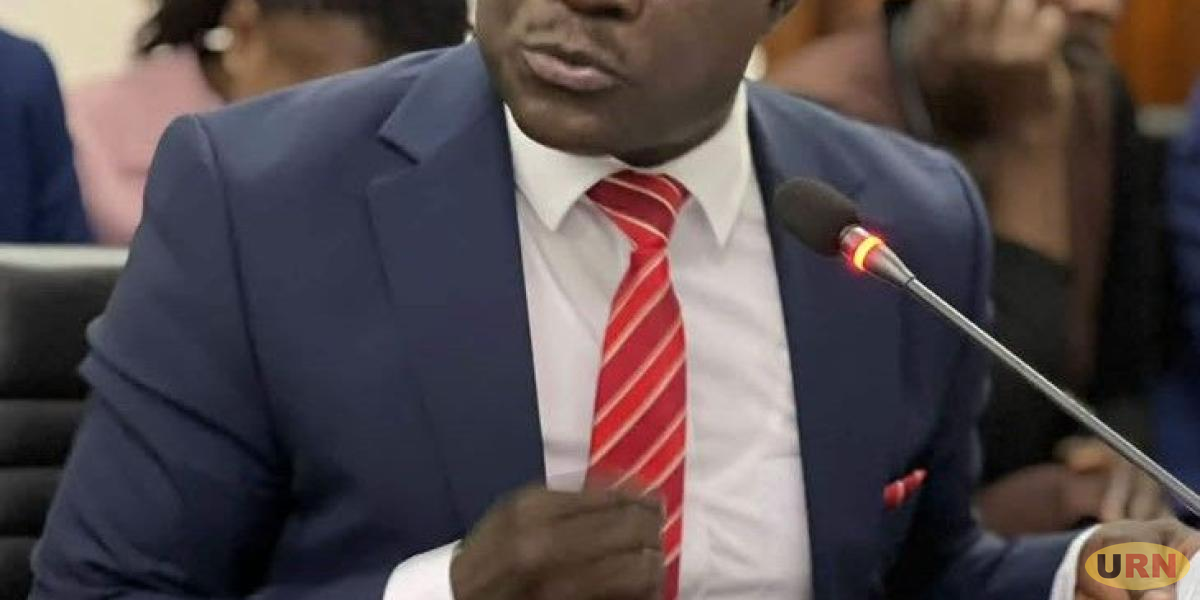
Bbaale County MP Charles Tebandeke has proposed abolishing voice voting in Parliament, arguing that electronic voting or verifiable physical counting would improve accountability, prevent disputes over legislative outcomes and limit the Speaker’s discretionary powers.
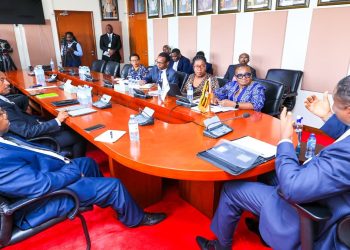
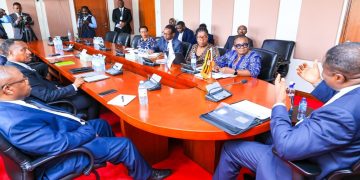
Tebandeke proposed the Committee on Rules, Privileges and Discipline, chaired by Fred Ruhindi, which is reviewing amendments to Parliament’s Rules of Procedure. The committee has been granted an additional month to present the proposed amendments to Parliament.
He argued that the current system, under which the Speaker determines whether the “ayes” or “nays” have prevailed by listening to members’ voices, is unreliable because it does not establish how individual MPs voted.

Tebandeke wants voting on substantive matters, including bills, motions and decisions affecting Ugandans’ rights, to be conducted electronically or through another verifiable method that records each legislator’s position. Where electronic voting is unavailable, he proposed that MPs supporting a motion stand. At the same time, those opposed remain seated, allowing the Clerk and Sergeant-at-Arms to establish the outcome through a physical count.
He said the existing system risks letting legislators’ loudness, rather than their numerical strength, determine parliamentary decisions. Tebandeke also argued that voice voting disadvantages MPs with disabilities and makes it difficult for constituents to hold their representatives accountable for decisions taken in the House.
Citing previous court decisions, including Paulo Kawanga and Another v Ssemogerere and Another, he urged the committee to amend Rules 102(2)(a) and 103, which provide for voting by voice. He cited controversial legislation, including the Protection of Sovereignty Bill and the Anti-Homosexuality Act, as examples of matters on which Ugandans should be able to establish which MPs supported or opposed the proposals.
Beyond voting, Tebandeke wants amendments to Rules 7 and 8 to limit the Speaker’s discretion in interpreting parliamentary rules, controlling debates and handling procedural matters not expressly provided for. He argued that the provisions give the Speaker excessive authority to determine what constitutes disorderly conduct, restrict members’ opportunities to debate, and impose disciplinary measures without a clear internal mechanism for challenging such decisions.
“I am not against the office or the Speaker, but I am against the authority that the rules of procedure give to the office of the Speaker because they make him more or less a dictator,” he said. Tebandeke proposed that the Speaker exercise these powers reasonably and proportionately, in accordance with the Constitution, parliamentary rules and the will of the House. Where the rules are silent, he wants the Speaker to make an interim ruling and refer the matter to the Committee on Rules, Privileges and Discipline for interpretation and ratification within 14 days.
He also proposed an internal appeal mechanism for MPs affected by the Speaker’s decisions, arguing that the existing requirement for a two-thirds majority to overturn certain rulings makes it difficult for legislators to challenge them. Under another proposed amendment, the Speaker would be barred from presiding over matters in which he or she has a direct personal interest or is involved in a dispute that could lead to disciplinary proceedings. In such circumstances, the Deputy Speaker would preside.
Tebandeke also wants Parliament to broaden Rule 56, which governs statements on matters of urgent public importance, to allow MPs to raise concerns affecting their constituents even when the issues are not considered urgent or nationally significant. He argued that the current provision could prevent legislators from bringing to the House problems affecting individual villages, parishes, sub-counties, constituencies and districts. He proposed allowing MPs to raise matters of public or national importance, as well as issues requiring urgent attention in their constituencies, particularly those involving governance, human rights, accountability and service delivery.
Tebandeke further wants the time allocated to such statements increased from one hour to at least two hours on Wednesdays and Thursdays, with each member receiving a minimum of five minutes to present an issue. Under his proposal, the responsible minister would be required to respond immediately where possible or provide a response within 14 days. He said the additional time would enable MPs to present evidence and explain the effects of community problems, including flooding and inadequate public services, rather than being constrained by limited speaking time.
He also proposed requiring the Speaker to provide written reasons whenever permission to raise a matter is denied. Tebandeke called on the committee to invite public memoranda and present the proposed amendments to the full House for debate and approval before they take effect. He argued that changes to parliamentary rules should not be left to a small committee without allowing all MPs to scrutinise and debate provisions that govern their work. “The dignity of Parliament is not observed by shielding it from accountability, but by making its process verifiable, fair and open,” he said.
Tebandeke is among those who have submitted proposals to the committee, which is receiving recommendations from groups, institutions and individuals to inform the revision of Parliament’s Rules of Procedure. Other proposals submitted so far include changes to the parliamentary dress code, the powers of the Speaker and the number of members allocated to individual committees-URN. Give us feedback on this story through our email: kamwokyatimes@gmail.com