While loan recovery under the Parish Development Model (PDM) remains dismal across the Acholi sub-region, some beneficiaries in Pader District are expanding successful livestock enterprises and urging fellow recipients to repay their loans to keep the revolving fund alive.
Ministry of Local Government data as of July 14, 2026 shows that local governments in Acholi are expected to recover more than Shs56.9 billion from PDM beneficiaries. However, only about Shs26 million had been recovered by mid-July.
Gulu City registered the highest recovery rate at 0.5 percent, recovering Shs16.1 million out of Shs2.94 billion due. Pader recovered Shs2.96 million against Shs8.77 billion, while Agago recovered Shs1.37 million out of Shs10.62 billion. Kitgum, Lamwo and Nwoya also recorded negligible recoveries.

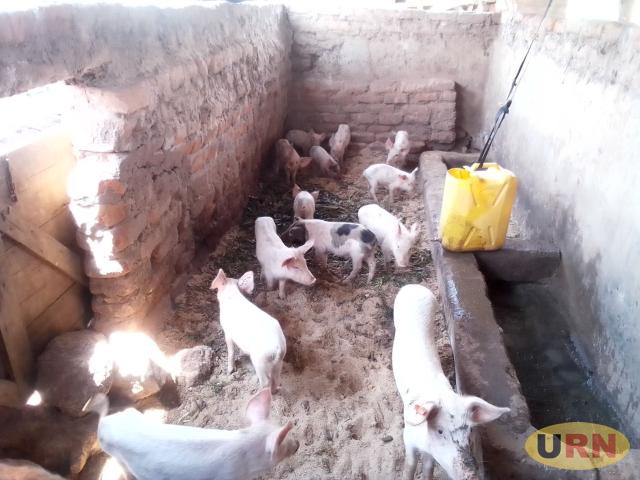
Despite the poor repayment record, Bernard Rwot-Olwonga of Tic Tek Piggery Youth Group in Aciro Parish, Pader Town Council, says the programme has transformed his livelihood.
After receiving training from a church in Pader Town, Rwot-Olwonga invested in piggery. His first pig produced eight piglets, which he sold before using Shs200,000 from the proceeds to buy 100 chicks.
Today, he runs both piggery and poultry enterprises.
“The business has changed our lives. Some group members have returned to school while others have started their own businesses using the money they received under PDM,” he said.
Rwot-Olwonga said he plans to repay Shs500,000 this year before clearing the remaining balance with interest.
“I want another beneficiary to access the money. People should repay because this is a revolving fund,” he said.
He advised beneficiaries to invest in income-generating enterprises instead of spending the money on expensive assets.
“Start small and grow. Don’t rush into buying motorcycles or vehicles. Invest in something that will sustain you.”
Santina Abalo, a 73 years old resident of Lubele North Village, Luna Parish, credits PDM for expanding her piggery enterprise.
Abalo said she used the Shs1 million she received in two instalments to buy two breeding sows, which later produced 18 piglets.
Income from the enterprise enabled her to pay school fees, improve her house and buy improved pig breeds from Kwania District.
She now keeps 13 pigs and 10 goats.
“The biggest challenge is feeding the animals, but I will repay the loan after selling the piglets,” she said.
Abalo urged beneficiaries to honour their repayment obligations.
“When you repay, others also get the opportunity to benefit. People should treat this money as their own investment, not government money,” she said.
Pader District PDM Focal Person Festo Okidi attributed the low recovery to delayed disbursement, technical challenges in the payment system, poor weather that affected crop enterprises, and limited public awareness on loan repayment procedures.
He said livestock enterprises generally performed better than crop farming.
Okidi added that many beneficiaries were unaware that repayments are made through Pearl Bank’s Wendi mobile money platform.
The district, he said, plans to strengthen loan recovery by conducting fresh Parish SACCO elections and working closely with SACCO leaders to follow up defaulters.
“Collective responsibility is the only way we shall improve recovery. We also need continuous sensitisation because some beneficiaries still believe the money is a government gift,” Okidi said.
Agago District PDM Focal Person and District Planner Bosco Bongomin blamed poor recovery on misinformation during the rollout of the programme.
“Some leaders told communities the money belonged to the President and government. Many beneficiaries therefore believed they were not expected to repay,” he said.
Bongomin also cited delayed operational guidelines, corruption among some SACCO leaders and weather-related losses that affected agricultural enterprises.
He said the district had allocated resources to intensify loan recovery and urged government to introduce agricultural insurance to protect beneficiaries against drought and floods.
Agago District Chairperson Wilson Otto said leaders had intensified sensitisation campaigns and remained optimistic that recovery would improve before the end of the year.
“The fund should operate like a village bank. When one beneficiary repays, another household gets an opportunity to borrow and improve its livelihood,” Otto said.
He urged political leaders to stop portraying government programmes as political gifts and instead educate communities about their responsibility to repay.
President Yoweri Museveni has repeatedly maintained that PDM is a revolving loan scheme, not a grant. Beneficiaries begin repayment after a two-year grace period, with loans attracting six percent interest, while repayments are made through Pearl Bank’s Wendi mobile money platform-URN. Give us feedback on this story through our email: kamwokyatimes@gmail.com