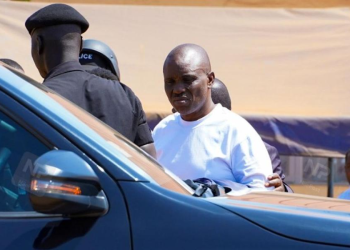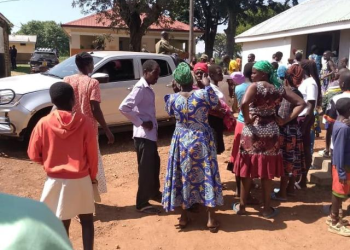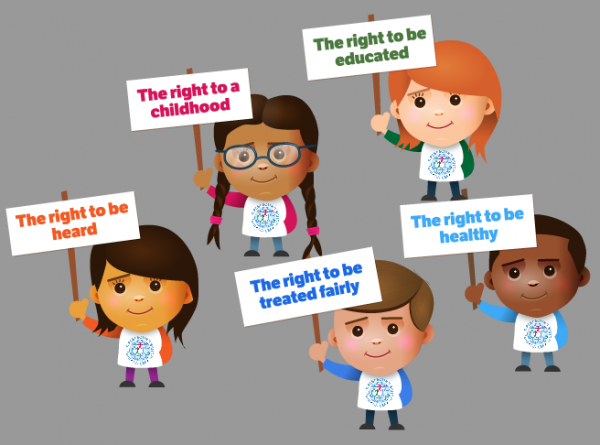
Child rights advocates have criticised the arrest of underage girls in an online sexual exploitation case in Wakiso District, arguing that children in such circumstances should be treated as victims in need of rescue rather than criminal suspects. The concerns follow a police operation conducted last month by Kira Division Police in Kyaliwajjala and Mbalwa, where 27 girls and young women aged between 17 and 26 years were detained.
Police said the group was found living in crowded conditions inside a residential house equipped with broadcasting equipment, which investigators described as the centre of an alleged online prostitution and digital sexual exploitation network. However, child protection advocates say minors among those arrested should not have been processed through the criminal justice system.
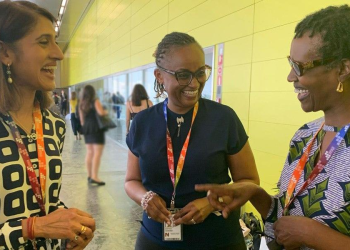
Damon Wamara, Executive Director of the Uganda Child Rights NGO Network and a member of the thematic group on ending sexual violence against children, said children involved in such cases are often victims of coercion, trafficking, manipulation, and systemic protection failures. He said law enforcement agencies should prioritise rescue and protection when minors are found in such environments.

Wamara added that children should not be treated as willing participants in criminal activity, but as victims requiring protection, care, and rehabilitation. He cited the Prevention of Trafficking in Persons Act, which adopts a victim-centred approach recognising exploited children as entitled to assistance and recovery.
Similarly, Tabitha Suubi, Program Manager at Raising Voices, said concern was not about adults involved in the operation, but how children at the scene were handled. She noted that even among the young adults arrested, circumstances may include long-term coercion or exploitation. Suubi criticised police for exposing victims, warning that such actions risk causing further harm, and urged security agencies to prioritise rescue, rehabilitation, psychosocial support, legal assistance, and safe reintegration rather than arrest and prosecution.
Meanwhile, the Mbalwa incident has reignited concerns over the rising risks children face in Uganda’s expanding digital environment, prompting renewed calls for stronger protection against online sexual exploitation. Child rights advocate Hadija Mwanje, Executive Director of High Sound for Children, urged authorities to treat the case with urgency, warning of a growing trend in online sexual exploitation of children.
She called for a national conversation involving parents, schools, communities, technology companies, and government to address protection gaps in the digital space. Online sexual exploitation of children—also known as technology-facilitated child sexual exploitation and abuse—has increased globally in recent years. It includes the production and distribution of child sexual abuse material, online grooming, financial sextortion, live-streamed abuse, and the rise of AI-generated exploitative content.
In Uganda, existing legal frameworks such as the Computer Misuse Act, the Children Act, and the Penal Code Act already criminalise various forms of child sexual exploitation, alongside supporting laws on data protection, electronic transactions, and cyber harassment. Mwanje emphasised the need for multi-stakeholder collaboration, including digital literacy education in schools, stronger parental guidance, enforcement of existing laws, and accountability for technology platforms operating in the country-URN. Give us feedback on this story through our email: kamwokyatimes@gmail.com