As Uganda bids farewell to the former second deputy prime minister, Gen. Moses Ali, tributes continue to paint the picture of a leader whose political career mirrored the country’s own turbulent history, from military conflict and political upheaval to reconciliation and national rebuilding.
To some, he was a soldier and military commander. To others, a legislator, lawyer and veteran statesman. But across generations, many agree that Gen. Moses Ali was one of the few leaders whose influence transcended political eras and governments.
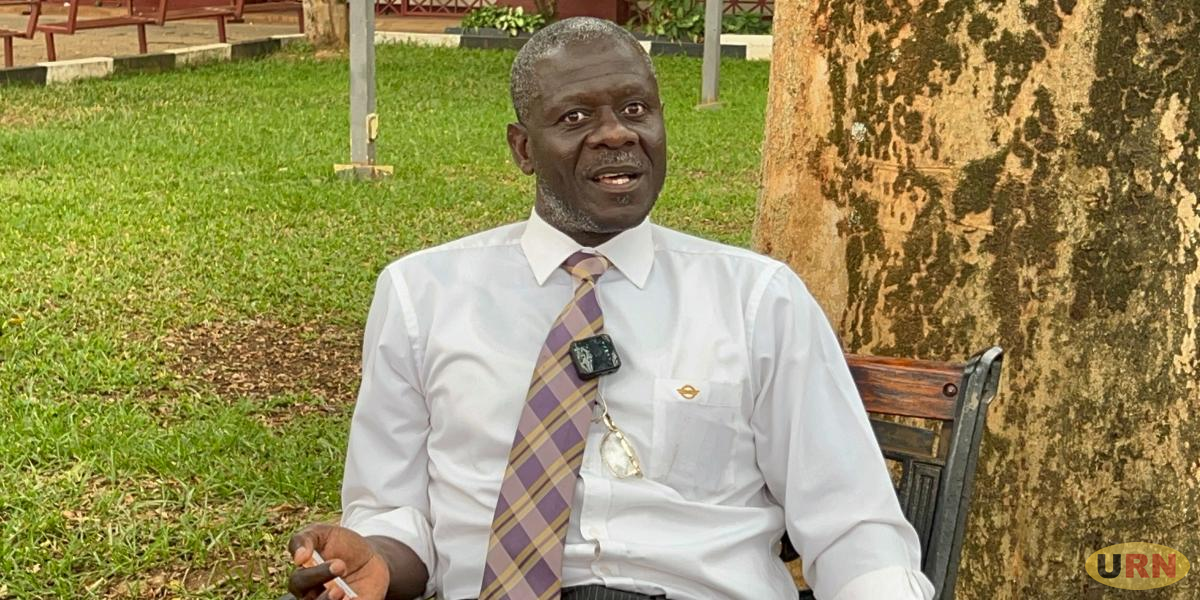
Political scientist and public administration lecturer at the International University of East Africa, Mahir Bulunwya, who says he worked closely with Gen. Ali from 2008, describes the late leader as “a chapter in Uganda’s history.” According to Bulunwya, Gen. Ali’s greatest legacy was his ability to bridge political divides and remain relevant through successive administrations.

He says few Ugandan leaders managed to serve under different governments while retaining senior leadership positions through peaceful political transitions.
Bulunwya attributes Gen. Ali’s longevity in public service to his ability to adapt to changing political realities without losing sight of national service. He explained that it is difficult to sum up Gen. Moses Ali’s life.
Among university students, Gen. Ali’s legacy is being viewed as one that offers lessons about Uganda’s political evolution. Timothy Gumisiriza, a student, described him as a veteran leader, lawmaker and military officer whose life reflected both the achievements and complexities of Uganda’s political journey.
Olivia Naluwagga, a student at the International East African University, credited Gen. Ali with supporting reconciliation efforts that eventually brought the Uganda National Rescue Front (UNRF) and the National Resistance Movement (NRM) together, saying the move helped restore peace in West Nile.
Barack Wilex Israel, a law student at Kampala International University, said Gen. Ali’s political longevity was remarkable, describing him as “a man who was blessed to remain at the centre of Uganda’s governance for decades.”
Although historians and political observers may hold differing views on some aspects of his long public career, many agree that Gen. Moses Ali occupies a unique place in Uganda’s history. His life, they say, reflected the country’s own transformation—from years of armed conflict and political instability to reconciliation, state-building and national development.
As Uganda lays him to rest, Gen. Moses Ali is being remembered not only for the offices he occupied, but also for the role he played in shaping the country’s political landscape over more than half a century. His story, many believe, remains inseparable from the story of modern Uganda itself-URN. Give us feedback on this story through our email: kamwokyatimes@gmail.com