By KT Reporter
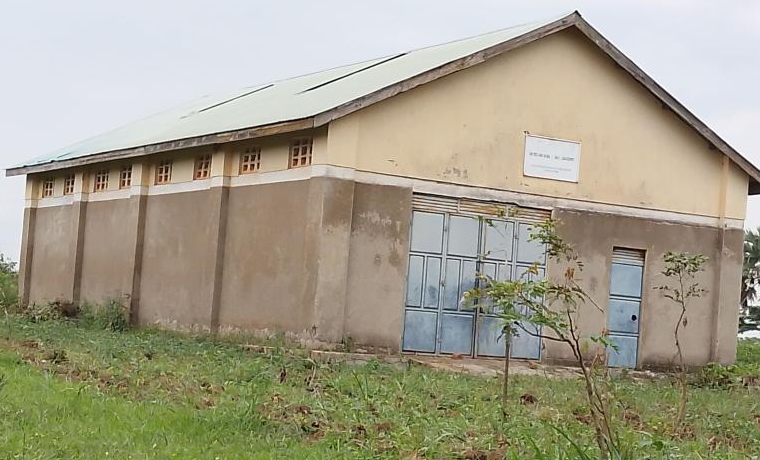
Farmers’ stores built by the government across Omoro District after the Lord’s Resistance Army (LRA) conflict are largely non-functional, with some now occupied by bats while others have been turned into worship spaces or offices for newly created administrative units. The community stores were constructed between 2007 and 2009 when Omoro was still under Gulu District, through the Ministry of Agriculture, Animal Industry and Fisheries under the Agricultural Cluster Development Project (ACDP).
They were intended to support post-conflict recovery by boosting agricultural livelihoods. The stores were established in various parishes to help farmers access reliable markets for their produce, store their harvest safely, and ensure proper drying. They also aimed to bring farmers closer to extension workers who would offer guidance and help address challenges affecting production at the village and parish levels.

Approximately 30 stores were built across Lakwana, Lalogi, Odek, Bobi, and Abuga sub-counties, as well as Acet Town Council. They were meant to support farmer groups growing maize, beans, soybeans, rice, cassava, and cotton. Many stores were fully equipped with maize and rice millers, ginning machines, and even tricycles for collecting produce—efforts directed at improving value addition.
However, at least 17 stores are currently idle due to poor management by stakeholders, inconsistent electricity supply needed to operate the machines, and structural deterioration that now requires renovation to prevent further crop losses. Dominic Ameny, Chairperson of Awoo Cooperative Cotton Growers, said the store has not benefited their more than 450 farmers and urged the government to revamp the project to prevent continued wastage.
According to Ameny, the cooperative’s ginnery was brought in 2007, but it was never functional due to a lack of power supply. As a result, many farmers abandoned cotton and shifted to soybeans, maize, and sunflowers. The Department of Production and Marketing in Omoro District Local Government is now encouraging farmers to form cooperative societies at village and parish levels to utilise the stores.
Godfrey Jomo Andrew Oyet, the District Production Officer, said the department is putting structures in place to strengthen farmers’ capacity through mobilization and training on the benefits of proper storage. He noted that some stores, such as the mini ginneries in Awoo and Wiagweng, were specifically built for oilseed projects to add value to cotton.
However, lack of electricity has made the machines redundant. The district now plans to convert both mini ginneries in Awoo Town Board (Akidi Sub-county) and Wiagweng Trading Centre (Omoro Town Council) from cotton oil processing facilities to sunflower and soybean oil processing plants since cotton production in Omoro has drastically declined.
According to Jomo, the Awoo and Wiagweng mini ginnery projects were established in 2007 under the West Acholi Cooperative Union. The ACDP project itself was introduced in Omoro in 2017, the year the district became operational after being carved out of Gulu District. The project has since been rolled out in 20 districts across Uganda.
-URN. Give us feedback on this story through our email: kamwokyatimes@gmail.com