For many Ugandans nearing retirement, visions of spending their hard-earned savings begin to bloom long before a single shilling ever touches their palms.
At around 55, a saver with NSSF is excited that he/she is about to receive a retirement lump sum. For many, ideas weave through the mind. A house is planned, rental units imagined, a business identified, and the first family car considered.
Besides those, one thinks of buying land for children, a big family house especially for whoever has not constructed one, relatives may need help, and friends suggest business ideas.

By the time the money becomes available, much of it may already have an owner in the saver’s imagination.
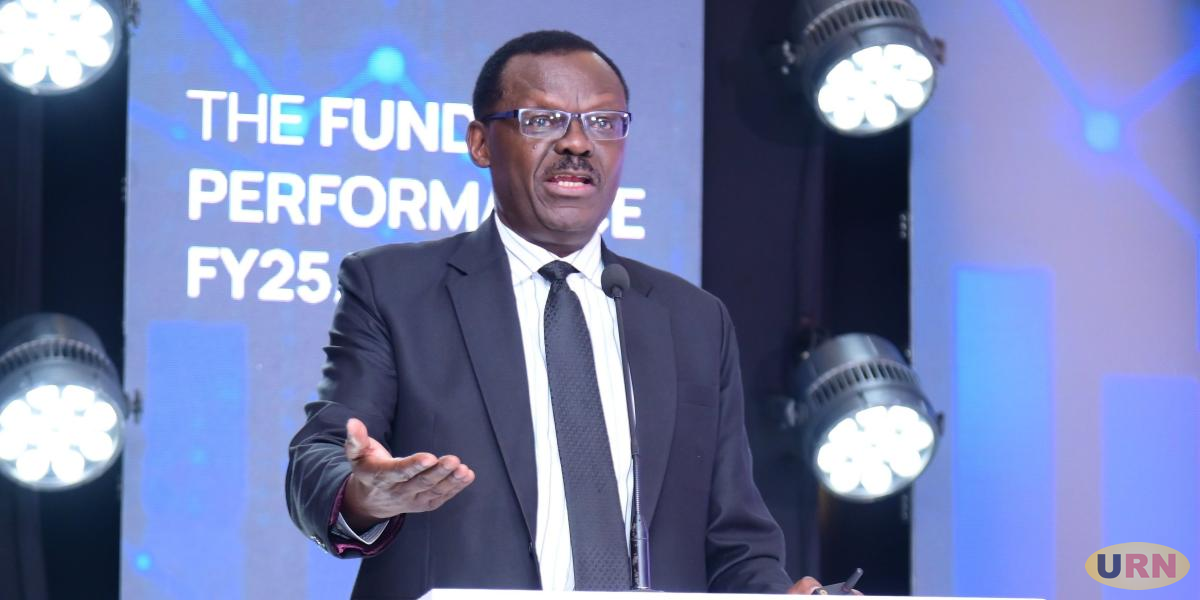
Patrick Ayota, the Managing Director of the National Social Security Fund (NSSF, describes this as one of the biggest challenges facing people who receive large sums of money after decades of saving.
“Money attracts everything around you. You take 100 million shillings out of NSSF, and every kind of opportunity will show up. And that is how we blow the money,” explained Ayota in a presentation about managing lump sum payments.
The other side of the coin, according to Ayota, a person who decides to invest in rentals doesn’t consider other factors like costs of managing those units, depreciation, and vacancy that may occur.
Statistical history from the Fund indicates that 98% of the people who claim for their savings normally only have that as the only savings they have.
“They will be waiting on it like the return of Jesus. So what you find is, you’re at 55, you’re trying to do a business you thought about when you were 20. No, things have changed.”
Ayota explains that the problem is that retirement planning can become crowded with expectations from the people around the retiree or what he describes as kitchen cabinet.
As retirement approaches, friends, relatives, and acquaintances begin offering advice on what to do with the money. Some suggest businesses they believe will generate quick returns. Others may have personal needs or investments they want the retiree to finance.
The retiree can therefore arrive at retirement carrying not just savings, but a long list of commitments that have already been made mentally. And that can make it difficult to stop and ask a more important question: how long does this money actually need to last?
Ayota says retirement should not be viewed simply as the moment when someone stops receiving a salary. It can mark the beginning of another long financial phase of life. For Ayota, a person retiring in their mid-50s could still have many years ahead of them.
“So we are trying to give people an opportunity, since you are going to live longer. What are you going to do with this money so that it can take you much further?”
That means a lump sum accumulated over decades of employment may have to provide financial security for a considerable period after the regular salary has stopped. Giving an example of some of the savers that received the mid-term benefits, Ayota said the size of the money that some received created a misleading sense of abundance.
Someone who has spent decades receiving a monthly salary may suddenly find themselves controlling an amount of money that is several times their annual income.
The temptation is to convert that money quickly into things that can be seen: a house, land, a fleet of motorcycles, rental rooms, or a new business. But the fact that the money is available does not mean it is surplus money.
The first withdrawals from a retirement fund are often driven by decisions that were made emotionally or socially before retirement.
A retiree may feel obliged to help a child, support a relative, finance a friend’s business idea, or fulfil a promise made years earlier.
The pressure can be particularly strong because a lump sum is visible in a way that monthly savings are not. A monthly salary disappears gradually through ordinary expenses. A large retirement payment, by contrast, creates the feeling that there is suddenly enough money to solve several problems at once.
But solving today’s problems can create a much bigger problem tomorrow if the retiree is left without a reliable source of income. Ayota gives the example of people who plan to put their retirement money into rental housing.
The calculation can appear straightforward: build a number of rental units, collect rent every month, and use that income to live. But the apparent income from the property is not necessarily the money available to spend. Vacancies, maintenance, management, and other costs can reduce the actual income substantially. The same principle applies to other investments.
A business that looks profitable on paper may require working capital, management, and time before it begins generating a dependable return.
The danger, therefore, is not necessarily investing the money. It is making a major investment decision simply because the money has arrived.
Ayota suggests that retirees need to change the way they think about the lump sum. For most of their working lives, their savings have been accumulated gradually.
The money is invested over time and spread across different assets. When the member retires and receives the money, however, that diversification can disappear overnight if the entire sum is committed to one idea
. The retiree can move from having a professionally managed portfolio to becoming the sole person responsible for deciding where all the money goes. That is a significant financial responsibility. It is also why Ayota believes retirees should resist the pressure to immediately turn their savings into a single visible asset or business.
The first decision after receiving a retirement lump sum, in other words, may be what not to do with it. Ayota advises that you do not immediately promise it to relatives, do not immediately put it into the business recommended by a friend, and do not assume that because an investment worked for someone else it will work for you.
And perhaps most importantly, do not allow decisions made in your head at 50 to become irreversible commitments at 55.
A person approaching retirement needs to distinguish between what they want to do with the money and what the money needs to do for them because retirement removes the certainty of the next monthly salary. The house can be built later, or if you must build, go for a smaller one that can fit within a smaller budget.
And then this is the question of whether one should venture into a business she/he has never operated before retirement. Ayota advises that the business can be assessed later, assisting family members financially can be planned, and even some investments can wait. He argues that what cannot easily be replaced is the savings accumulated over decades of working.
Ayota’s warning is therefore less about denying retirees the opportunity to enjoy the money they have saved and more about recognising what the lump sum represents. It is accumulated income from a working life, now being asked to support the next stage of life.
And that is why the first threat to retirement savings may not be a bad investment or a failed business. It may begin much earlier, when the money exists only in the imagination, but everyone has already decided how it will be spent-URN. Give us feedback on this story through our email: kamwokyatimes@gmail.com