By KT Reporter
Members of Parliament representing Persons with Disabilities (PWDs) have vowed to continue advocating for more funding for the disability cause.
Key among those is the National Special Grant for PWDs, currently standing at 16 billion shillings. The fund provides financial support to groups of people with disabilities (PWDs) to start income-generating activities

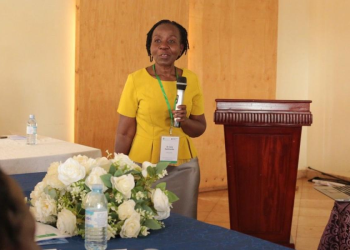
Joyce Acan Okeny, the Northern MP for Persons With Disabilities, says if she gets back to Parliament, she will push for the retention and more funding for the National Special Grant for PWDs.
“This fund was at risk of being scrapped, but we fought and ensured it remained. The National Special Grant is more than money; it is a lifeline. We will not let our people down. I will continue advocating so our people keep receiving these vital funds,” she said.
Okeny highlighted legislative wins alongside her fellow PWD MPs, including amendments to the National Social Security Fund – NSSF law allowing PWDs to access mid-term contributions from age 45 and a 5% public service employment quota for PWDs.
For Laura Kanushu, the Central Woman Member of Parliament for People with Disabilities, the priority is strengthening the ministry’s capacity and budget.
“Our ministry remains underfunded compared to other special interest groups. In the next five years, I will push to increase funding because the needs of PWDs are significant and deserve prioritization,” she said. Kanushu also emphasized enforcing laws already passed and supporting wealth creation initiatives for PWDs.
Alex Ndeezi, a PWD representative, decried the declining representation of persons with disabilities across Ministries, Departments, and Agencies, calling it a violation of Article 35 of the Constitution.
“Parliament has doubled from 290 MPs in 1996 to 556 today, but PWD representation has dropped from 2 percent to 0.8 percent,” he said. “If this continues unchecked, our representation will vanish entirely.”
Ndeezi proposed that each special interest group, including PWDs, Youth, Women, and Older Persons, should be allowed 10 representatives, reflecting Uganda’s demographic growth.
The Auditor General’s recent reports, approved budgets for PWD programmes are often not fully released or absorbed, limiting their impact.
Many beneficiaries also lack the skills, training, or follow-up support needed to use grants effectively, which threatens the sustainability of funded projects.
The Auditor General calls for increased transparency, better stakeholder engagement, and dedicated budget lines to ensure PWDs receive the resources and support they are entitled to.
The Electoral Commission completed its mapping and nomination exercise for PWD MPs, ahead of the 2026 elections.
Five PWD seats in Parliament will be contested, with candidates like Okeny and Laura leveraging both their legislative experience and advocacy efforts to secure representation, resources, and sustainable support for Uganda’s PWD community.
-URN. Give us feedback on this story through our email: kamwokyatimes@gmail.com