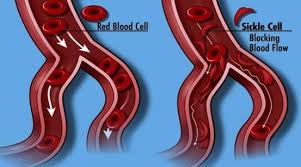
A mother whose 19-year-old son was cured of Sickle Cell Disease (SCD) through a bone marrow transplant has urged parents to prioritise proper care for children living with the condition as Uganda prepares for planned gene therapy treatment.
Speaking on Wednesday during a meeting organised by the Joint Clinical Research Centre to raise awareness about ongoing research aimed at finding a cure for HIV and SCD, the mother, Evelyn Mwesigwa, said advanced treatment options can only benefit children whose health is stable enough to withstand the demanding procedures involved.
Gene therapy is a treatment approach that involves modifying a patient’s genetic material in the laboratory to produce healthy haemoglobin, stop the formation of sickle cells, and increase the number of healthy red blood cells. The treatment has already cured patients in Western countries, and experts at JCRC say Uganda could soon develop its own home-grown therapy.

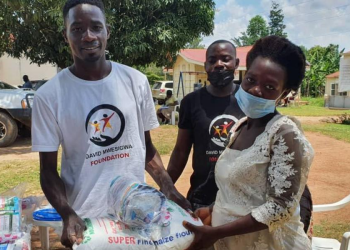
David Muyomba, the Senior Communications Specialist at JCRC, said the institution has launched a fundraising campaign to accelerate gene therapy research and equip the facility for bone marrow transplants.
He said the centre is targeting to raise four million dollars over a one-year campaign to enable children requiring the specialised interventions to access treatment locally instead of travelling abroad.
Mwesigwa, who now coordinates the gene therapy initiative at JCRC, cautioned that once introduced, the programme will not automatically be available to every child living with sickle cell disease. She explained that only patients assessed by doctors and found to have exhausted all other treatment options would qualify for the therapy.
She revealed that although she had the financial means to seek treatment abroad, doctors only approved her son for transplant surgery after determining that hydroxyurea, the drug he had been relying on, could no longer manage his condition. At the time, he was experiencing repeated sickle cell crises and frequent blood transfusions.
Mwesigwa said while the emerging cures offer hope to families affected by sickle cell disease, the procedures are extremely challenging, and many children do not survive them. She recounted how her son, who was 14 years old at the time of the transplant in 2021, underwent several rounds of chemotherapy before the surgery and had to strictly follow doctors’ instructions afterwards.
However, six months after returning to Uganda from India, where the transplant was carried out, he developed a severe infection that forced the family to return for further treatment and re-admission-URN. Give us feedback on this story through our email: kamwokyatimes@gmail.com