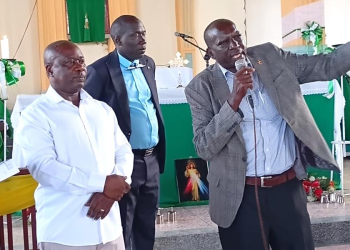
The Minister of Science, Technology and Innovation, Eng. Jonard Asimwe Akiiki, has urged leaders in Northern Uganda to prioritise innovations that address community challenges and generate income, rather than those developed primarily for entertainment or showcasing technical skills.
Akiiki said innovations should respond to the specific needs, available resources and economic opportunities of communities to ensure science and technology improve livelihoods and contribute to national development.
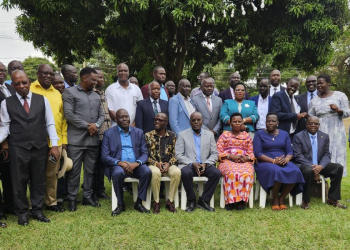
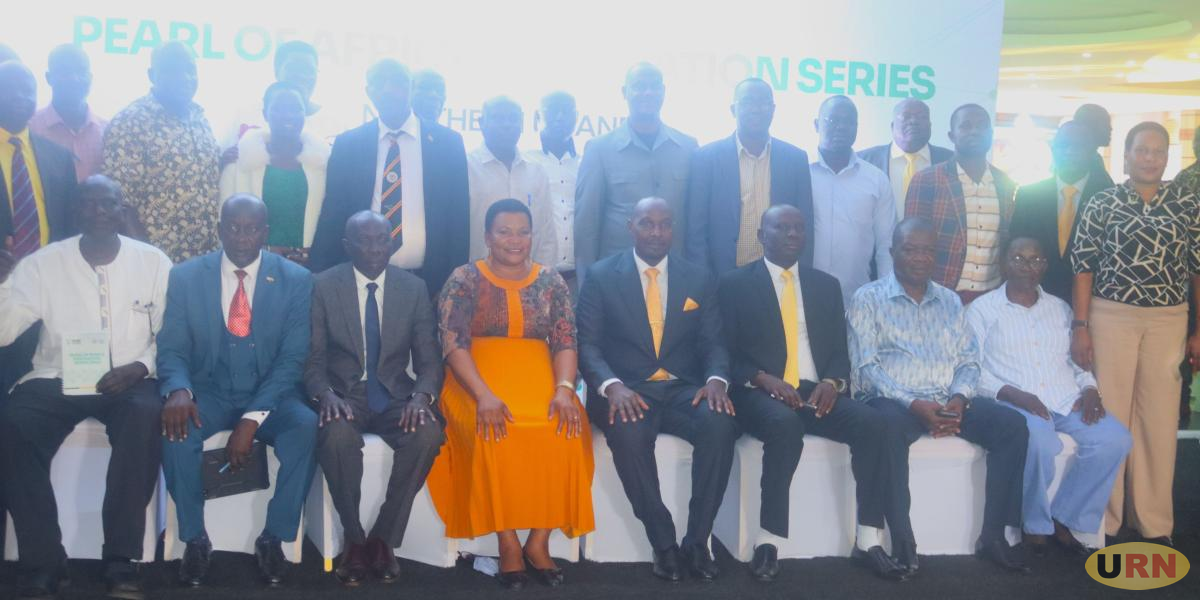
He made the remarks on Thursday during the launch of the Pearl of Africa Innovations Series (PAIS) in Gulu City, where the Science, Technology and Innovation (STI) Secretariat convened regional leaders for consultations on promoting innovation in Northern Uganda.

Akiiki challenged leaders to understand the needs and comparative advantages of their respective areas before identifying and supporting innovators, noting that solutions must be tailored to local circumstances.
“A challenge in Bunyoro may not be the same as one in Northern Uganda. The one in Karamoja may not be the same as the one in Kigezi. Innovations are not dictated by the calendar; they are dictated by the needs of the people,” he said.
He urged innovators to identify practical opportunities within their communities and develop products that respond to the needs of their intended users. Akiiki cited agriculture, mineral resources, solar energy and local human capital as areas Northern Uganda could leverage to develop commercially viable innovations.
“If I am bringing an innovation for my grandmother, it will be around coffee because my grandmother does coffee. I cannot bring an innovation of an engine to my grandmother’s village. I will have it, she will say good, but it will not increase her output,” he said.
The consultations also highlighted challenges facing local innovators, particularly the difficulties of registering brands, protecting intellectual property and obtaining product certification.
Pader District Chairperson Alfred Akena said local innovators had experienced frustrations over the years while seeking product approval from the Uganda National Bureau of Standards (UNBS), a situation he said was undermining the development of local talent. Akena called for greater government support to make certification processes more accessible and affordable for local innovators.
Wellborn Otober Odila, the Aruu County North legislator, called on the government to introduce scholarships for gifted innovators who lack the financial means to pursue specialised training. “We have some community members who are gifted in the field of science, but sometimes their families cannot facilitate their education,” Odila said.
In response, Akiiki said the government was working to strengthen links between innovators and regulatory institutions, including UNBS, to address challenges associated with product certification and delays in intellectual property registration.
He urged regional leaders and technical officers to encourage innovators to consult UNBS during the early stages of product development so they can understand and meet certification requirements before taking their products to market.
State Minister for Northern Uganda Rehabilitation, Beatrice Akello Akori, said the region had a pool of talented innovators whose work remained largely unknown because of limited technical and financial support.
She said young people, researchers, farmers, artisans, technicians and entrepreneurs were already developing solutions to challenges in their communities but lacked platforms to showcase their work and access the resources needed to expand their innovations.
Akori said PAIS would help identify local innovators, publicise their work and connect promising ideas to technical assistance and funding.
“Many of these innovations remain unknown and lack access to technical and financial support. PAIS allows us to identify these innovators, showcase their work and connect the most promising solutions to practical support,” she said.
She urged regional leaders to ensure the initiative reaches beyond established institutions to include young people, women and community-based enterprises whose innovations may have received little recognition.
The Pearl of Africa Innovations Series is intended to strengthen collaboration between Uganda’s national innovation system and regional stakeholders. The Northern Uganda consultation is expected to help regional leaders, working through designated focal persons, identify local priorities, recommend practical solutions and develop strategies to promote innovation across the region-URN. Give us feedback on this story through our email: kamwokyatimes@gmail.com