 By KT Reporter
Makerere’s School of Public Health (MakSPH) is expanding faster than it can house itself. It now hosts more than 1,000 students, runs programmes across multiple countries, and anchors a large share of the University’s research output. Yet parts of its operation still spill into rented space, costing over $113,000 a year, because the infrastructure has not kept pace with its growth.
That constraint sits uneasily with the School’s economic weight. Health research accounts for more than half of Makerere University’s academic output, making it one of the University’s most productive engines. As Vice Chancellor Barnabas Nawangwe put it, “An educated population is a healthy population, and an educated and healthy population is a prosperous population.”

Beyond the university, health is not just a social outcome but a driver of economic performance. Healthier populations are more productive, more resilient, and less costly to sustain. Investments in public health, whether in prevention, systems, or infrastructure, raise an economy’s productive capacity, not just improve outcomes.
Institutions that generate public health knowledge and train professionals are not peripheral to growth; they are part of its foundation.
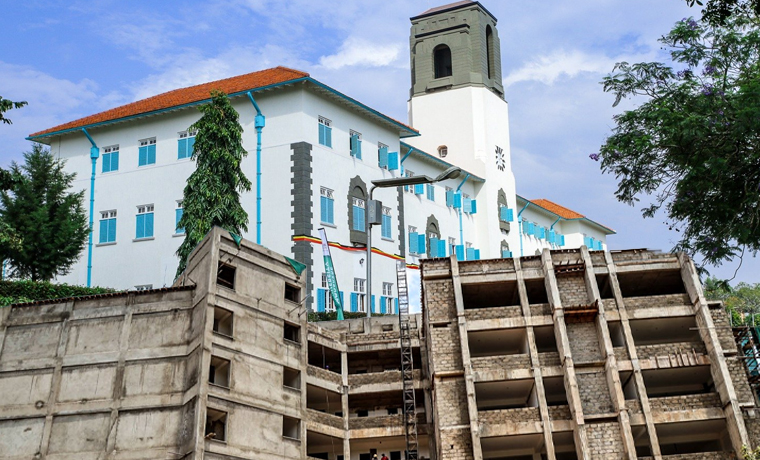
It is this logic that is shaping how Makerere’s School of Public Health is positioning itself. At its centre is a new, unfinished complex on the University’s main campus, intended to anchor the School’s next phase as a regional hub for research, training, and policy support. But like much of the system it supports, it is being built gradually, in a “build-as-you-go” approach constrained as much by funding realities as by design.
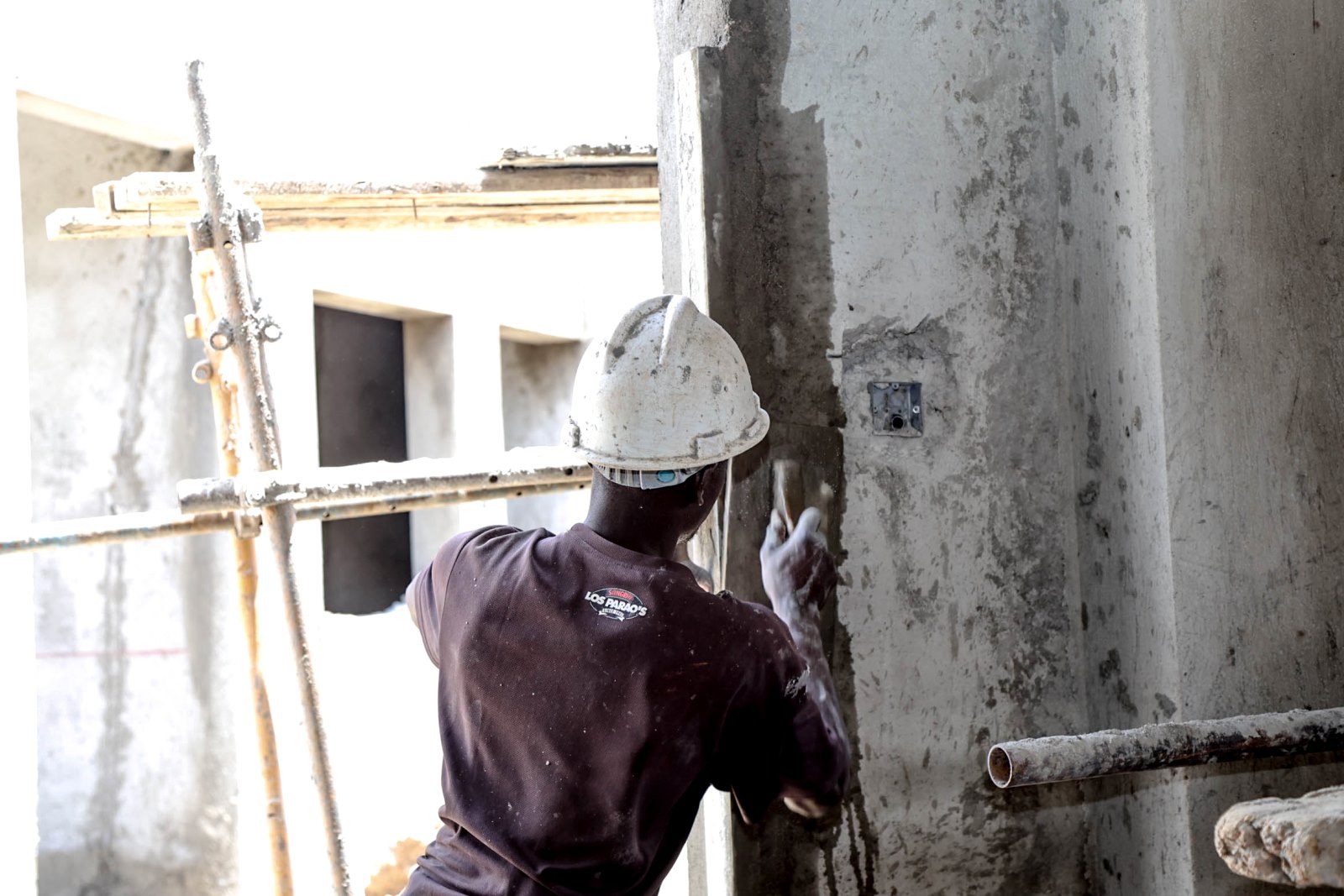
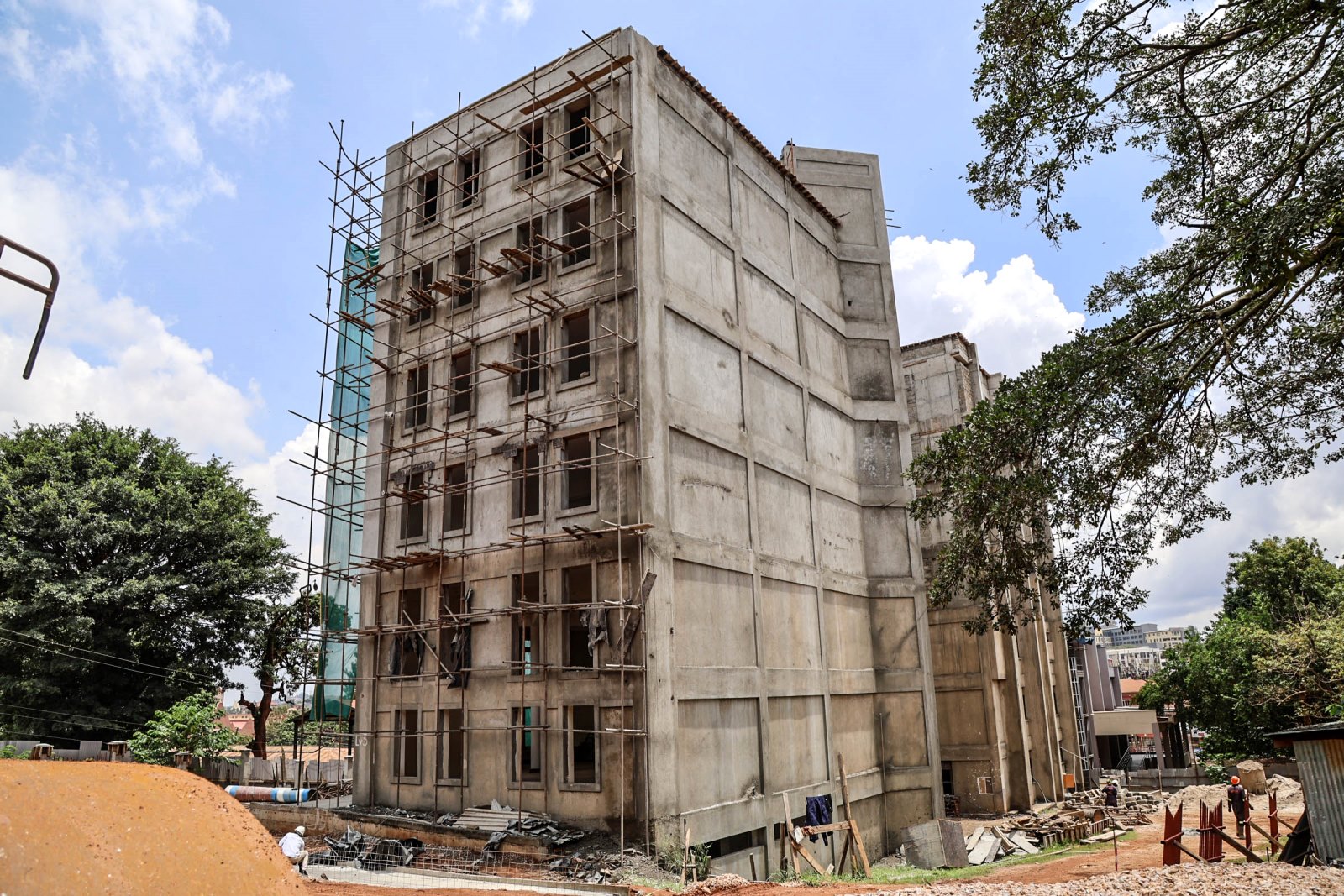
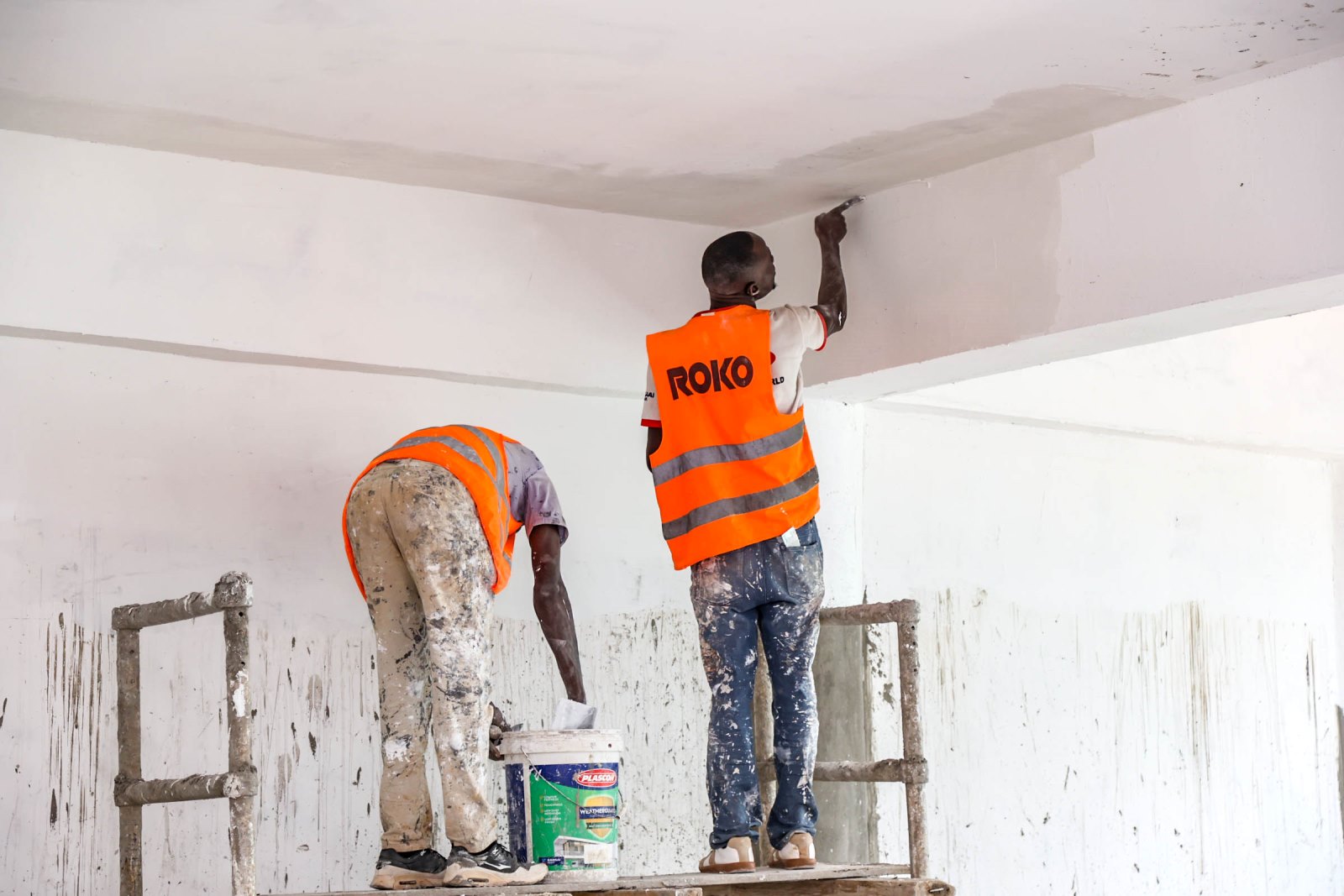

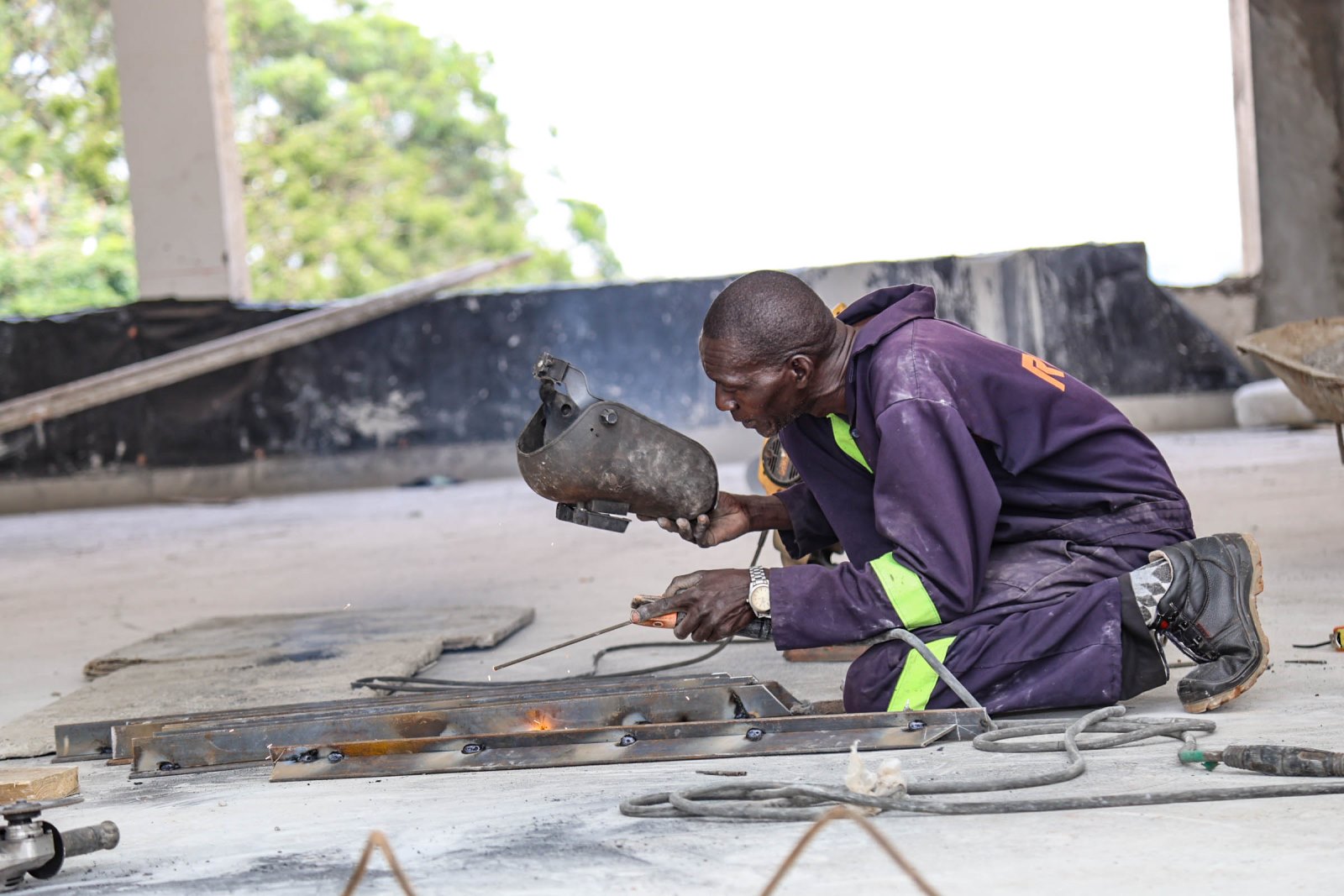
Construction of Phase II of the MakSPH complex is now at an advanced stage, with progress recorded across all sections of the site. As of March 2026, Phase 2B is nearing completion at 98%, while Phase 2A stands at 89%, and Phase 2C at 69%, each tracking close to or slightly ahead of planned targets. Current works are concentrated on interior finishes—including tiling, terrazzo installation, and external rendering—as well as preparations for lift installation, signaling a transition from structural works to final detailing. The project team is working toward a practical completion date of August 31, 2026, with timelines calibrated to align with broader resource flows and implementation considerations.
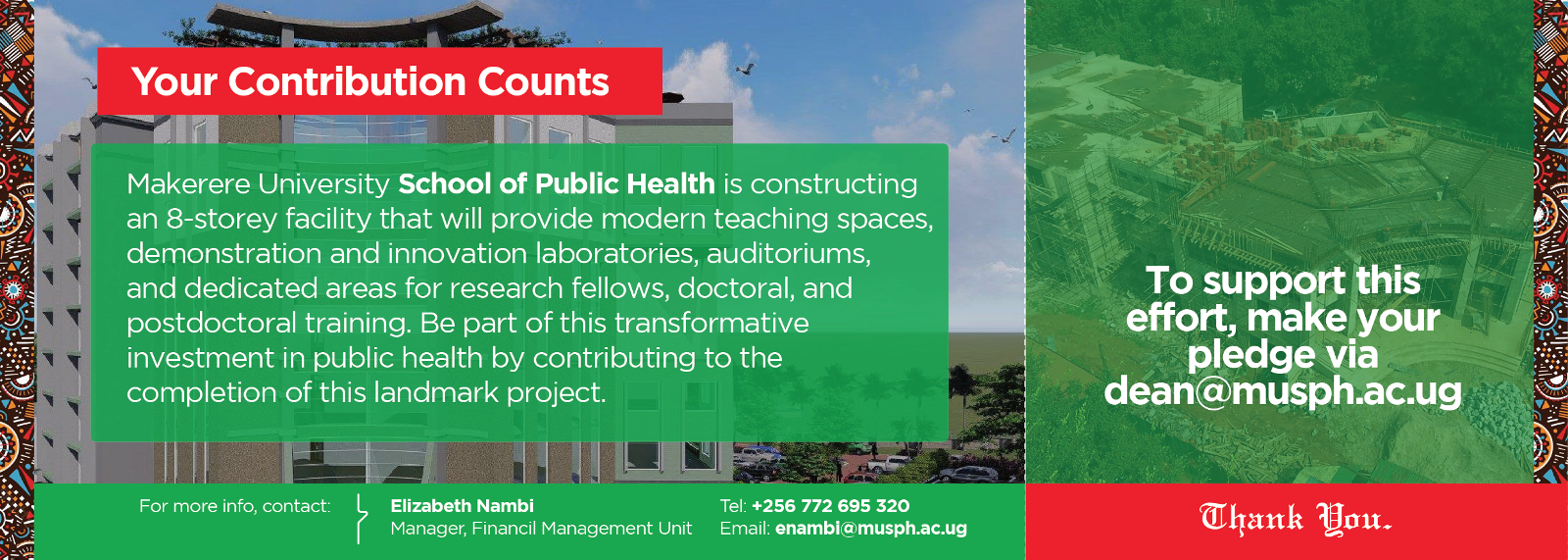
Six years ago, in February 2020, construction began on what will be the new home of the School of Public Health. The building, a permanent, purpose-built public health facility on Makerere’s main campus, will accommodate a growing student body, provide space for doctoral and postdoctoral fellows, and strengthen the University’s ability to respond to Africa’s most pressing public health challenges.
Professor David Serwadda, Professor Emeritus at Makerere University and Chair of the MakSPH Infrastructure Fundraising Committee, said the construction journey reflects the School’s “ambition, intent, and courage”—a bold step despite limited resources. He was speaking at a public lecture on health financing held at Makerere University on April 9, 2026.
But the ambition behind the project is not modest. “We are not building for today—we are building for the future,” said Professor David Serwadda, reflecting on a decision that shaped the entire construction effort. “We need to build for the next 100 years.”
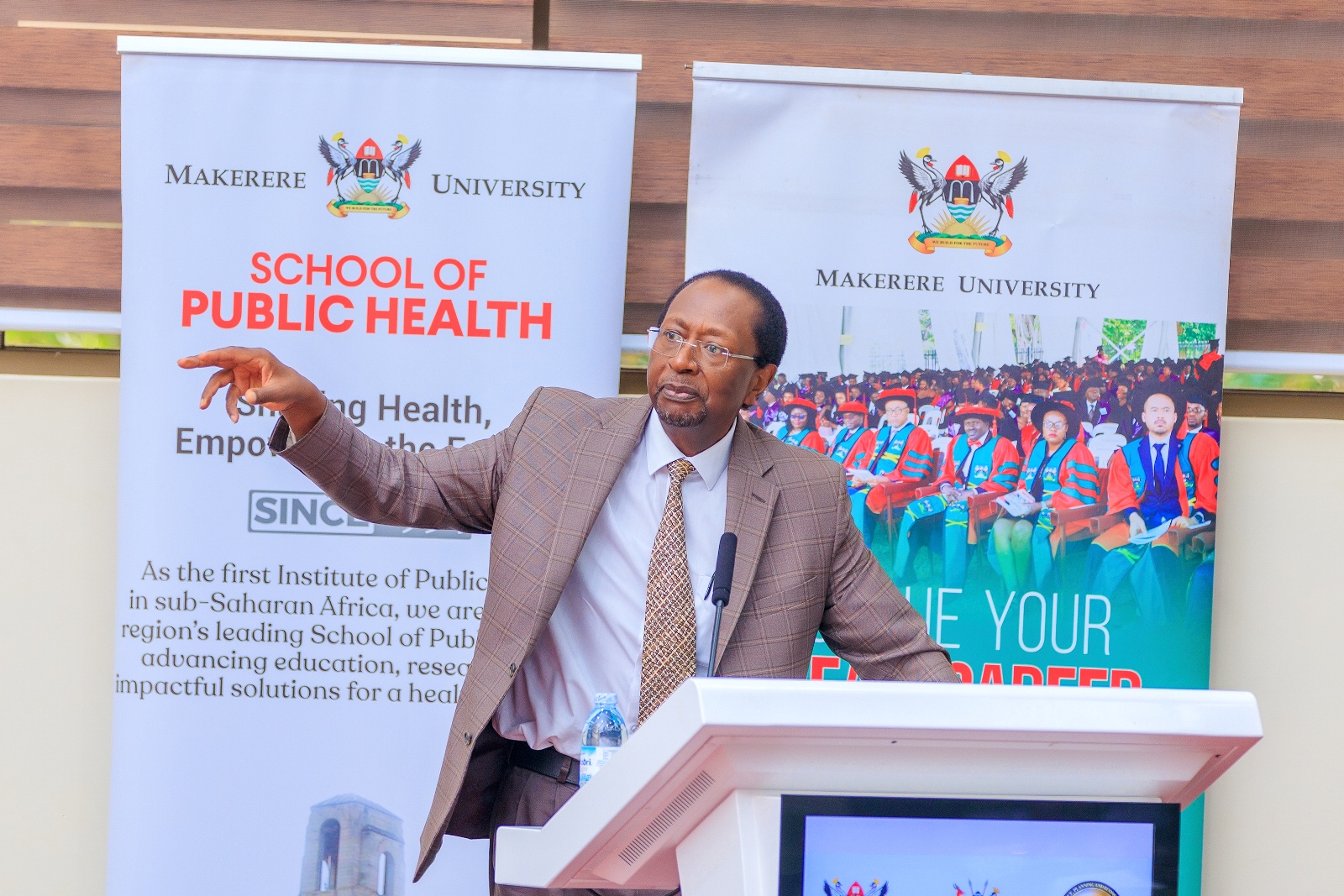
That long view helps explain both the scale of the project and the risks taken to start it. When construction began, the School did not have the full funding. “We started with about a third of the required budget,” Serwadda said.
The approach was not without setbacks. A major grant from USAID, worth over a million dollars, was later withdrawn, midway through the construction, due to the closure of USAID. “We received what is called a ‘Dear John letter,’” he recalled. “At that moment, we felt the situation was a major blow, almost terminal for the project.”
But the project did not stop. It adjusted. “We said, let us continue, piecemeal,’” he said. “Finish the auditorium first, use it, and keep building the rest.”
“We have come a long way as the School of Public Health,” said Professor Rhoda Wanyenze, the Dean. “We are proud of that history, but we also recognize that it comes with responsibility.”
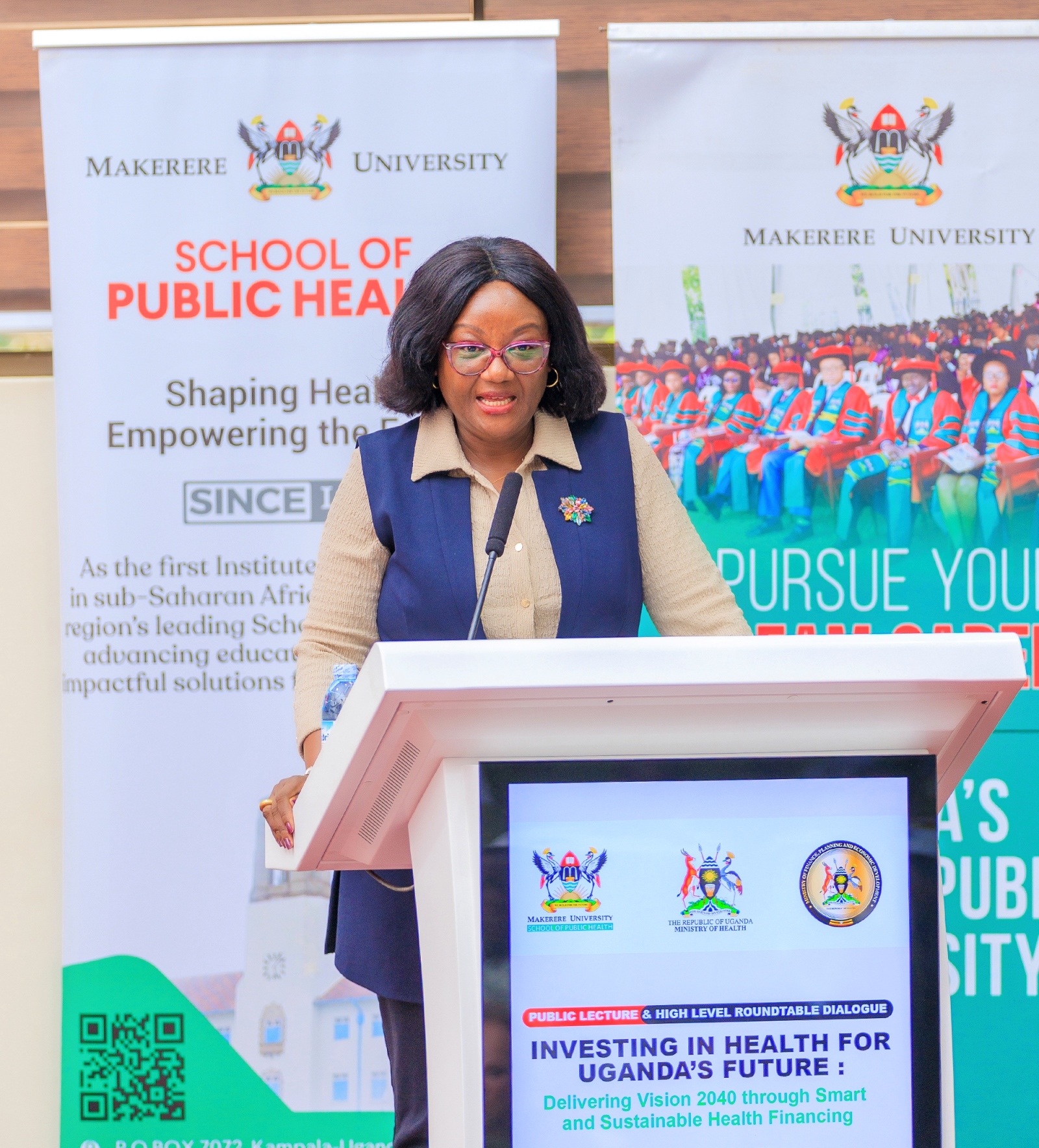
She argued that responsibility is no longer confined to Uganda. With ongoing collaborative work in more than 25 African countries currently, the Dean says this is “a responsibility to provide leadership in public health not only in Uganda but across the continent.”
The scale of that growth has been visible from what was once a small training unit in the Faculty of Medicine in the 1950s, which has expanded into 12 academic programmes and more than 1,000 students.
“When I came back for my public health training, we were about 40 students,” she said. “Now, we have more than 1,000.” “Public health is growing and evolving,” Wanyenze said. “And we are doing our best to develop the skills needed for this changing landscape.”
That includes new areas such as health informatics and data science, driven by the digitisation of health systems and the growing role of data in decision-making and AI. The School is already coordinating regional platforms on digital health, linking multiple countries in shared learning and practice.
But this growth has outpaced the physical systems needed to sustain it. For the University leadership, the implications extend beyond infrastructure.
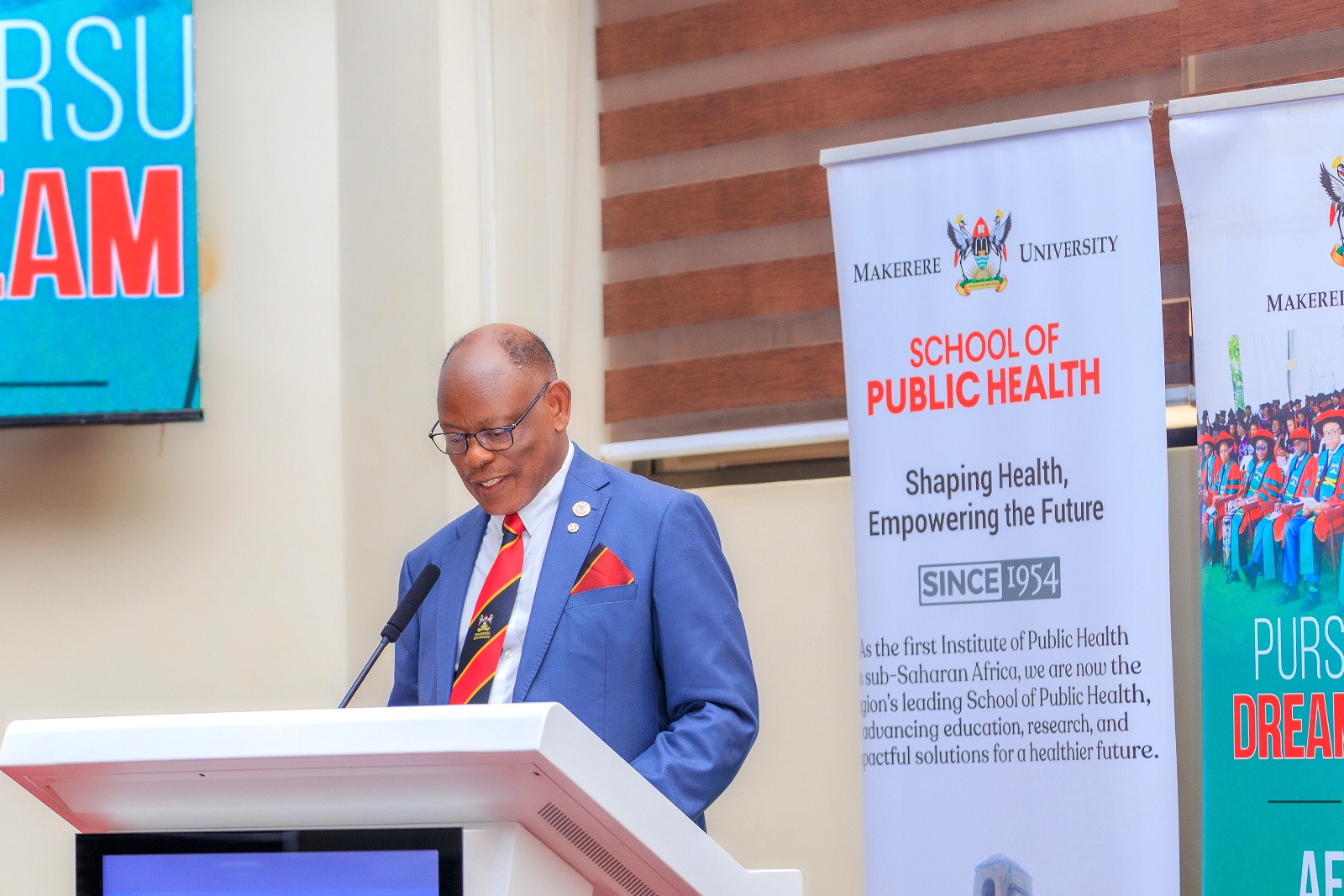
“One of the most effective ways to invest in health in Uganda is to invest properly in Makerere University,” said Vice Chancellor Barnabas Nawangwe. “We must recognize Makerere as a research-led university with a special national role—not fund it like any other institution or department. Makerere is one of the government’s greatest assets. Invest in her, and the returns will exceed expectations.”
Professor Nawangwe hailed Dr. Ramathan Ggoobi, the Permanent Secretary to the Treasury, who delivered a keynote on investing in health for Uganda’s future in view of Vision 2040. “I wish to thank Dr. Ramathan Ggoobi and his team for their personal intervention in allocating resources in next year’s budget to complete the new School of Public Health building. That support is deeply appreciated,” he said.
Uganda’s progress in health outcomes is evident, but uneven. Life expectancy has risen significantly from about 50 years in 2000 to roughly 68.8 years in 2024, according to the Permanent Secretary to the Treasury, Ramathan Ggoobi. Yet the gains sit alongside persistent financial strain on households. About 4% of Ugandans still spend more than a quarter of their consumption on healthcare, pushing many into poverty as a result of illness.
For Ggoobi, this points to a structural gap that recurrent government spending alone cannot close. “We must mobilise long-term domestic capital without adding fiscal risk,” he argued, pointing to the need for more sustainable financing mechanisms. Central to this is the gradual design and rollout of a national health insurance scheme. Evidence from countries such as Rwanda, Kenya, and Ghana suggests that well-structured contributory models can expand coverage while reducing catastrophic out-of-pocket spending.

“My Ministry and the School of Public Health must be partners. … Evidence framed in fiscal terms drives policy,” said Ggoobi, stressing the need for locally grounded solutions. “What works in Ghana might not work here. We need a model that fits Uganda.”
Uganda’s current macroeconomic conditions, relatively low inflation, currency stability, and expanding private credit may provide a window to move in that direction.
-MAK NEWS. Give us feedback on this story through our email: kamwokyatimes@gmail.com