By KT Reporter
On 6th November 2025, the Makerere University Writing Centre (MakWC) held a training workshop aimed at enhancing professional writing skills among University staff.
Focusing on official documentation and record keeping, the training, hosted at the School of Business Conference Hall, attracted participants from different University units, including Assistant Administrative Officers and Assistant Academic Registrars. This marked the first cohort of trainees to benefit from the program, which covered topics such as the fundamentals and responsibilities of a minute taker, writing techniques, policy and legal considerations, e-meeting platforms, and the ethical use of Artificial Intelligence (AI).

In her opening remarks, Mrs. Patience Rubabinda Mushengyezi, the Deputy Academic Registrar, who represented the Academic Registrar, Professor Buyinza Mukadasi, commended the Writing Centre for championing the growth of writing skills across the University. “I want to thank the team from the Writing Centre for considering the Academic Registrar’s Department. Writing is central to everything that we do – from keeping accurate minutes to communicating decisions. This training will greatly improve our writing skills,” she said.
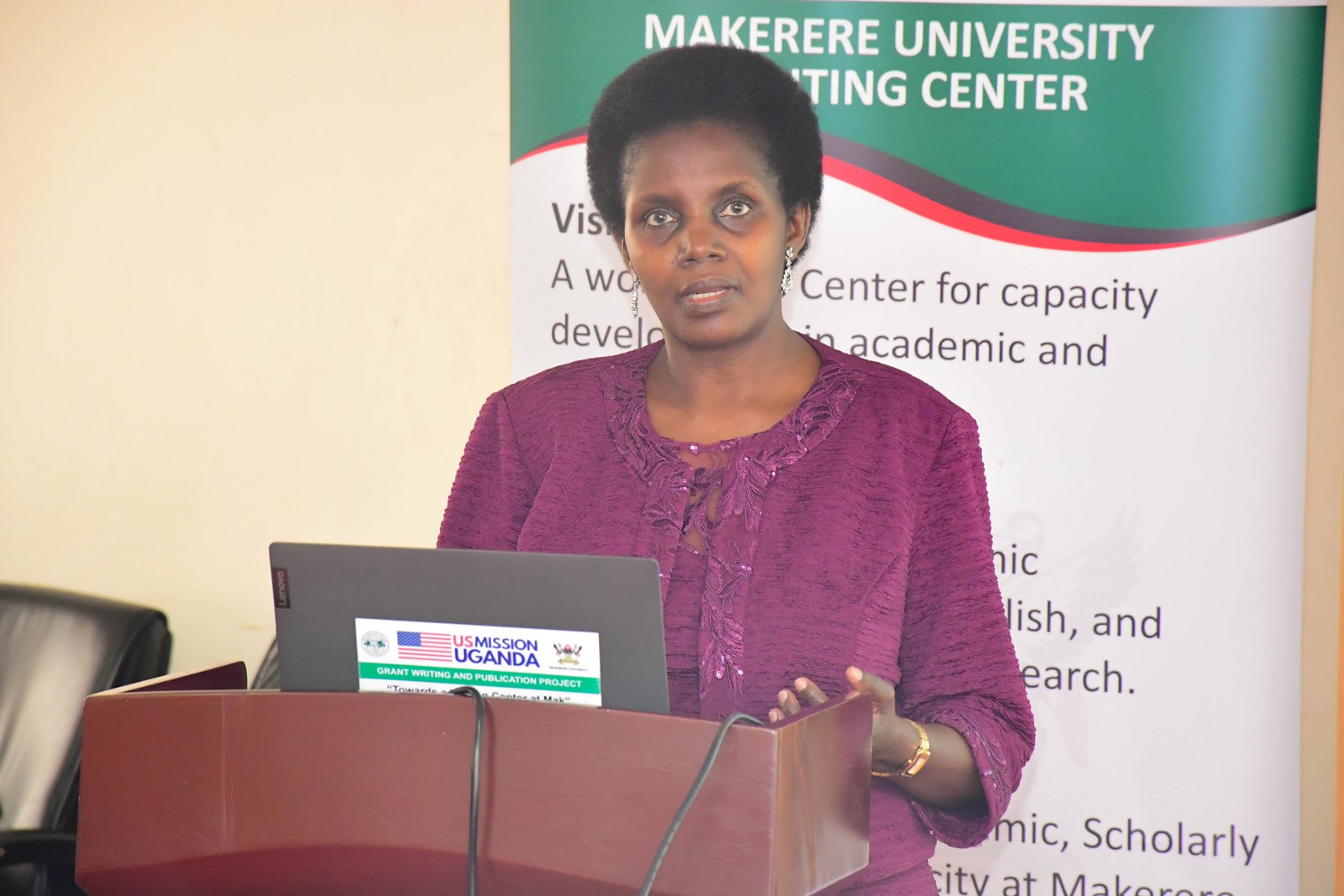
Mrs. Mushengyezi emphasized that official records, especially minutes, must be accurate, ethical, and well-structured. She reminded participants that minutes are not mere summaries, but legal and public documents that can serve as evidence in administrative or legal matters. “When we write minutes, we must remember they represent official proceedings and can be used in courts of law. This calls for professionalism, clarity, and ethical responsibility in your daily work,” she stated.
Speaking during the workshop, Professor Fredrick Jones Muyodi, the Team Leader, Makerere University Writing Centre (MakWC), explained that the Centre is pivoted to support the University’s strategic goal of becoming a research-led institution by 2030. Established and institutionalized in 2025 by the University Senate and Council, the Centre operates under the Directorate of Research, Innovations, and Partnerships (DRIP).
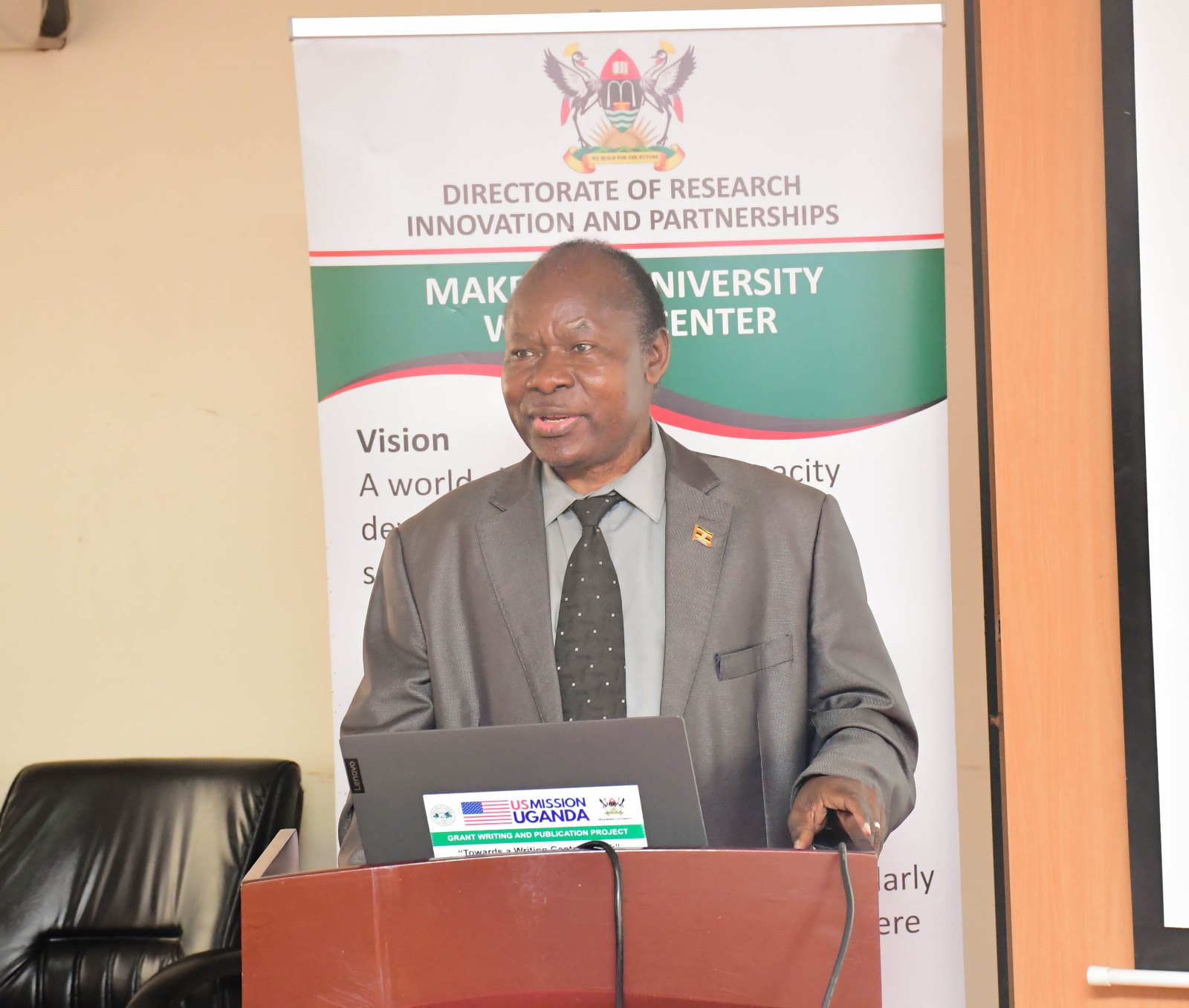
Professor Muyodi shared that the Centre has developed a comprehensive training and mentorship program to build writing skills across the University and beyond. The program will involve experts and mentors experienced in writing, collaborative research, and publication. It will use a hybrid approach, combining traditional teaching with online learning, case studies, and hands-on practice.
He also revealed that the Centre will offer short courses, lasting up to two weeks, in key areas such as academic, technical and scientific writing, editing and proofreading, policy brief and report writing, writing for community engagement, professional writing for administrators, and publishing. “These courses will strengthen the writing capacity of both staff and students while promoting research translation and effective communication,” he said.
On behalf of the Writing Center, Professor Ronald Bisaso commended the support from the Directorate of Human Resource and the Academic Registrar’ department for the identification of capacity development gaps, that provided the basis for the choice of topics and training facilitators.
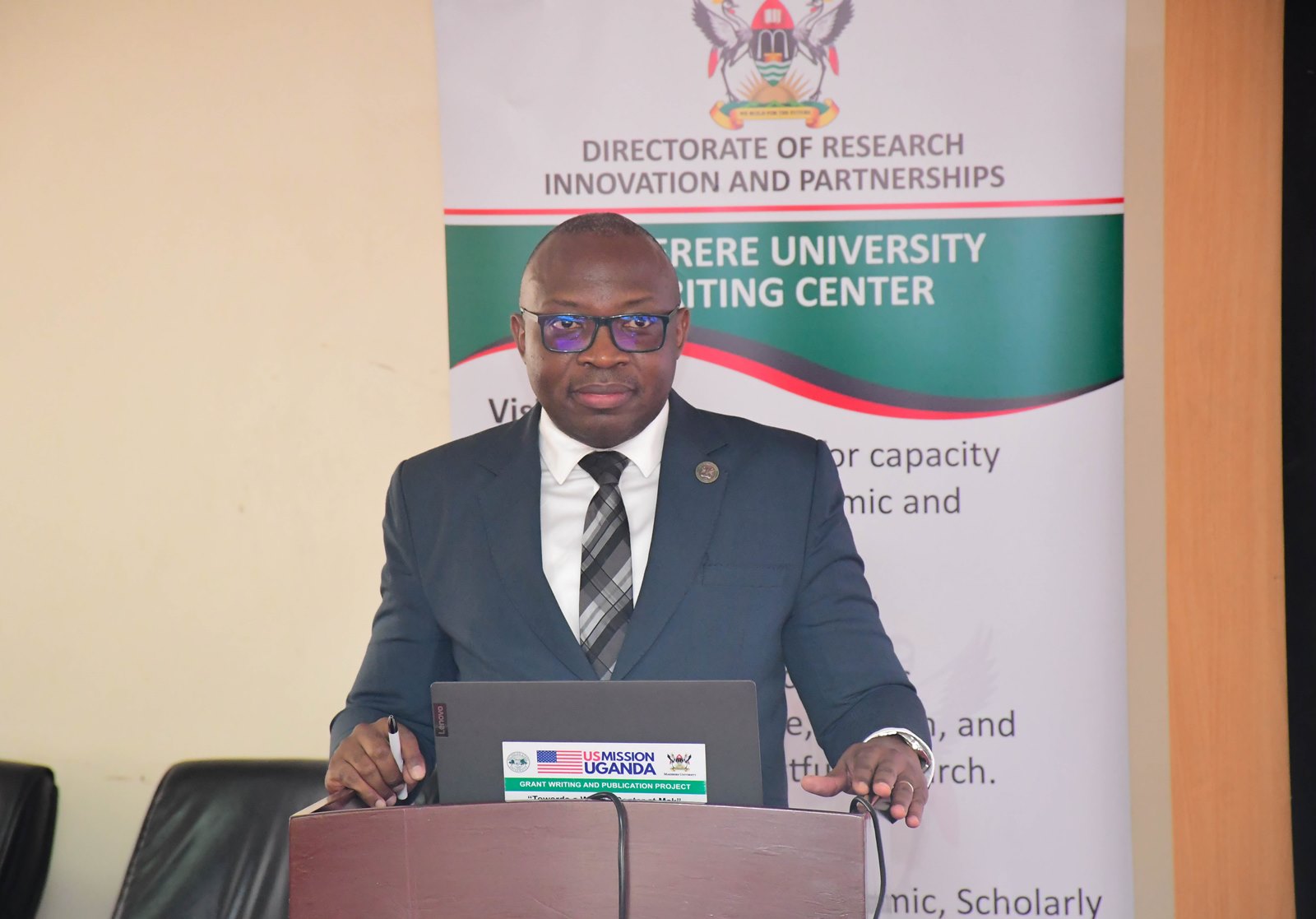
During her presentation on the Fundamentals and Roles of a Minute Taker, Mrs. Mushengyezi underscored the importance of understanding institutional structures and governing frameworks before taking on the role of writing minutes. She explained that Makerere University’s governance system – from the University Council and Senate down to College Boards and departmental committees, operates under clear mandates, which minute writers must understand to accurately record proceedings.
She noted that effective minute writing begins with proper preparation, which includes knowing the committee composition, consulting the Chairperson about meeting details, and ensuring members receive timely notices and agendas. She advised participants to differentiate between regular, special, and emergency meetings, as each requires a unique approach to documentation. Drawing from experience, she encouraged participants to arrive early for meetings, verify meeting logistics, and carry official record books to ensure accuracy. “A well-prepared minute writer, not only captures discussions accurately, but also upholds the credibility of the meeting,” she remarked.
Mrs. Proscovia Nakayiki, Acting Deputy Academic Registrar (Examinations and Transcripts), led a session on Writing Techniques. During the session, she emphasized that minutes are vital for accountability, serve as a record for future reference, and inform those who missed meetings. “Well-written minutes should tell a clear, flowing story that remains meaningful even years later,” she said.
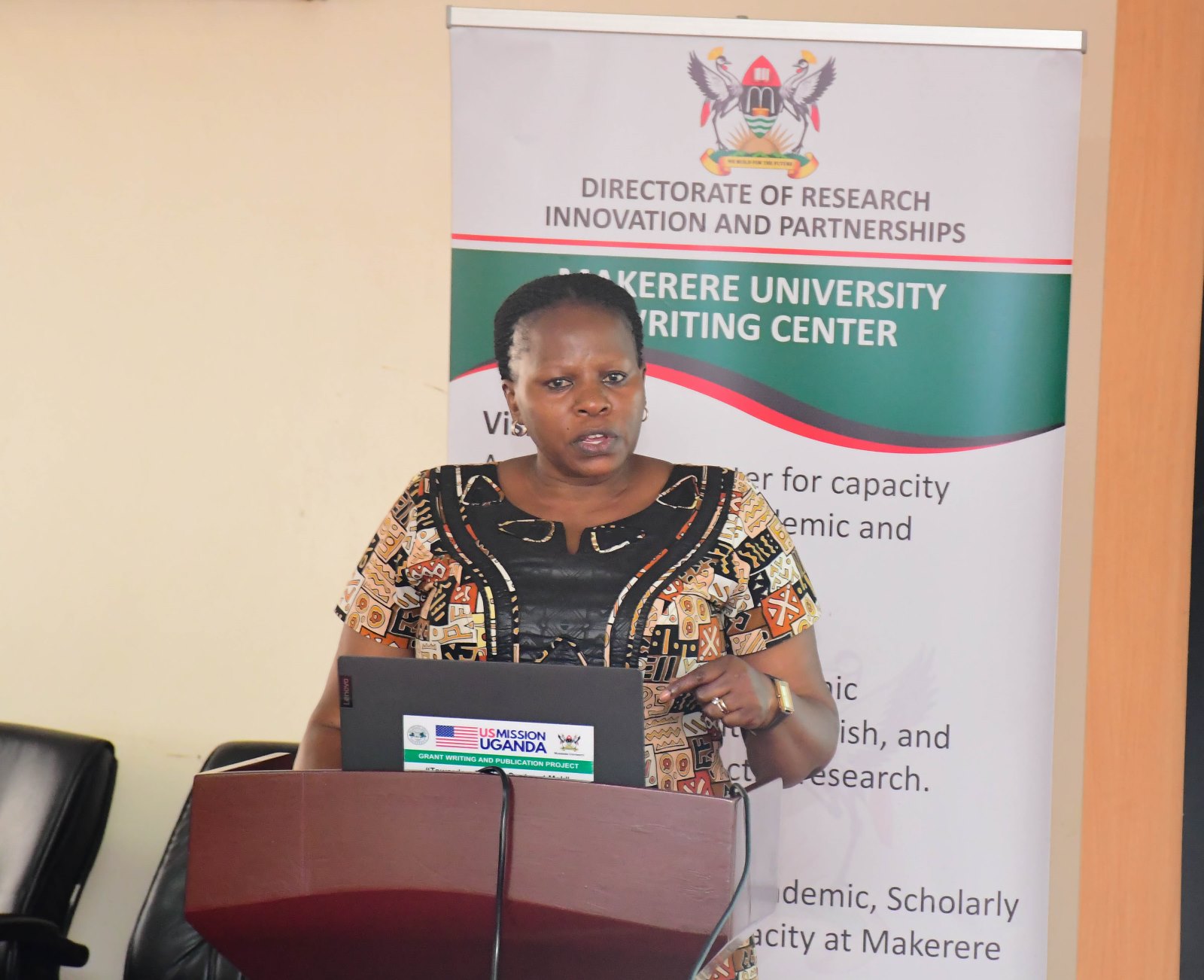
Ms. Nakayiki stressed that minute writing requires preparation and structure. She advised secretaries to be familiar with the meeting type and agenda, list all attendees and absentees, clearly summarize discussions, and outline action points. She also encouraged the use of templates, testing of recording devices beforehand, and remaining attentive during meetings to capture key decisions accurately.
Presenting on Policy and Legal Frameworks for Minute Writing, Ms. Esther Kabinga, Principal Legal Officer discussed the laws and policies that govern record keeping in Uganda. She noted that minutes are crucial for transparency and accountability, citing laws such as the Companies Act (2012), Public Finance Management Act (2015), and Access to Information Act. She also referenced some of Makerere University policies, including the Record Keeping Policy, Academic Records Management Policy (2022), and Communications Policy (2013). “Proper documentation protects both the institution and the individuals involved in decision-making,” she emphasized.
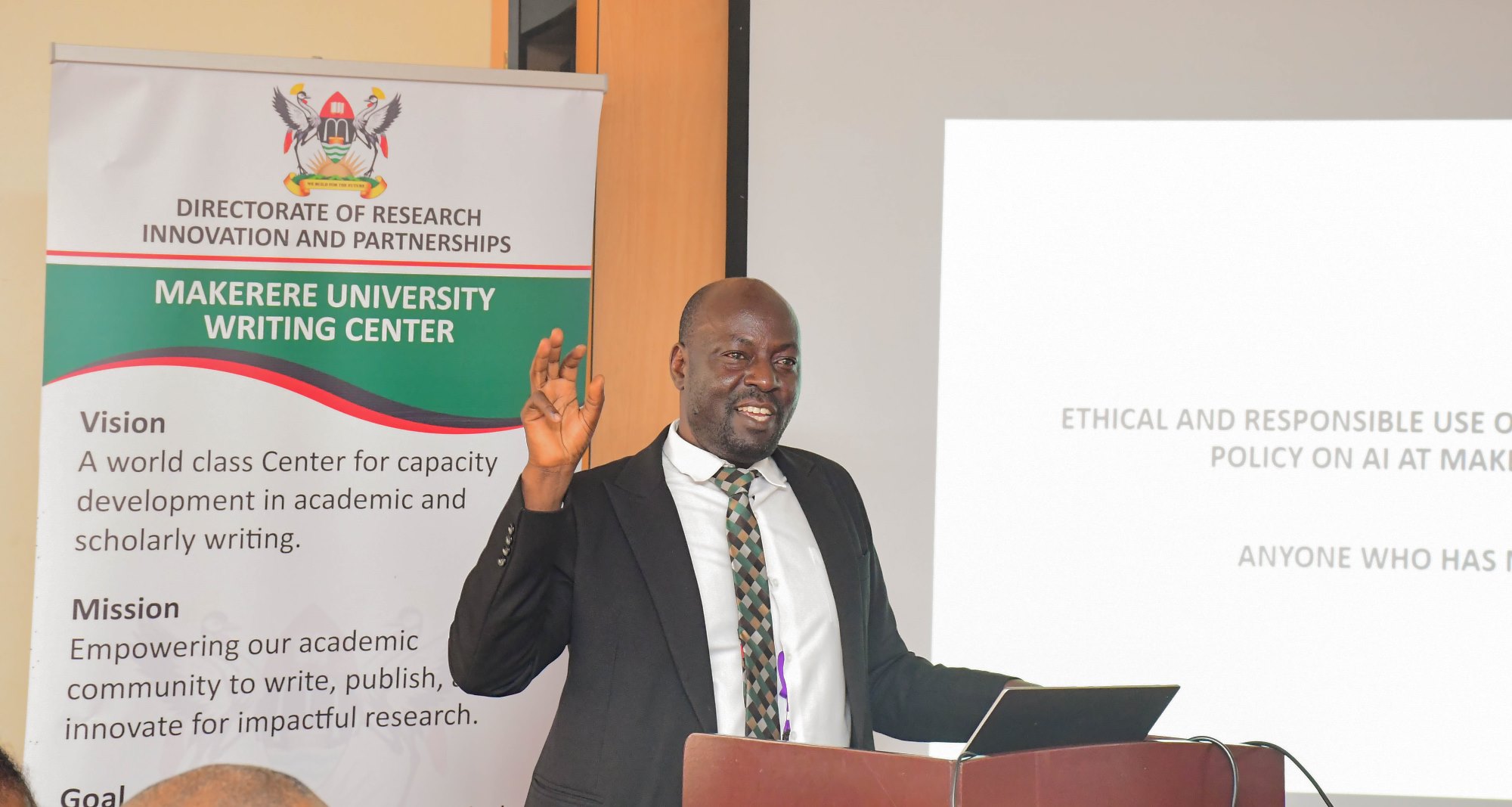
Discussing the Ethical and Responsible Use of Artificial Intelligence (AI), Prof. Paul Birevu Muyinda, Director of the Institute of Open, Distance and e-Learning, noted that AI has become part of everyday life. He commended Makerere University for adopting an official AI policy that promotes its ethical, inclusive, and responsible use in teaching, research, administration, and innovation. He urged participants to use AI as a supportive tool, combining it with human judgment and creativity while writing.
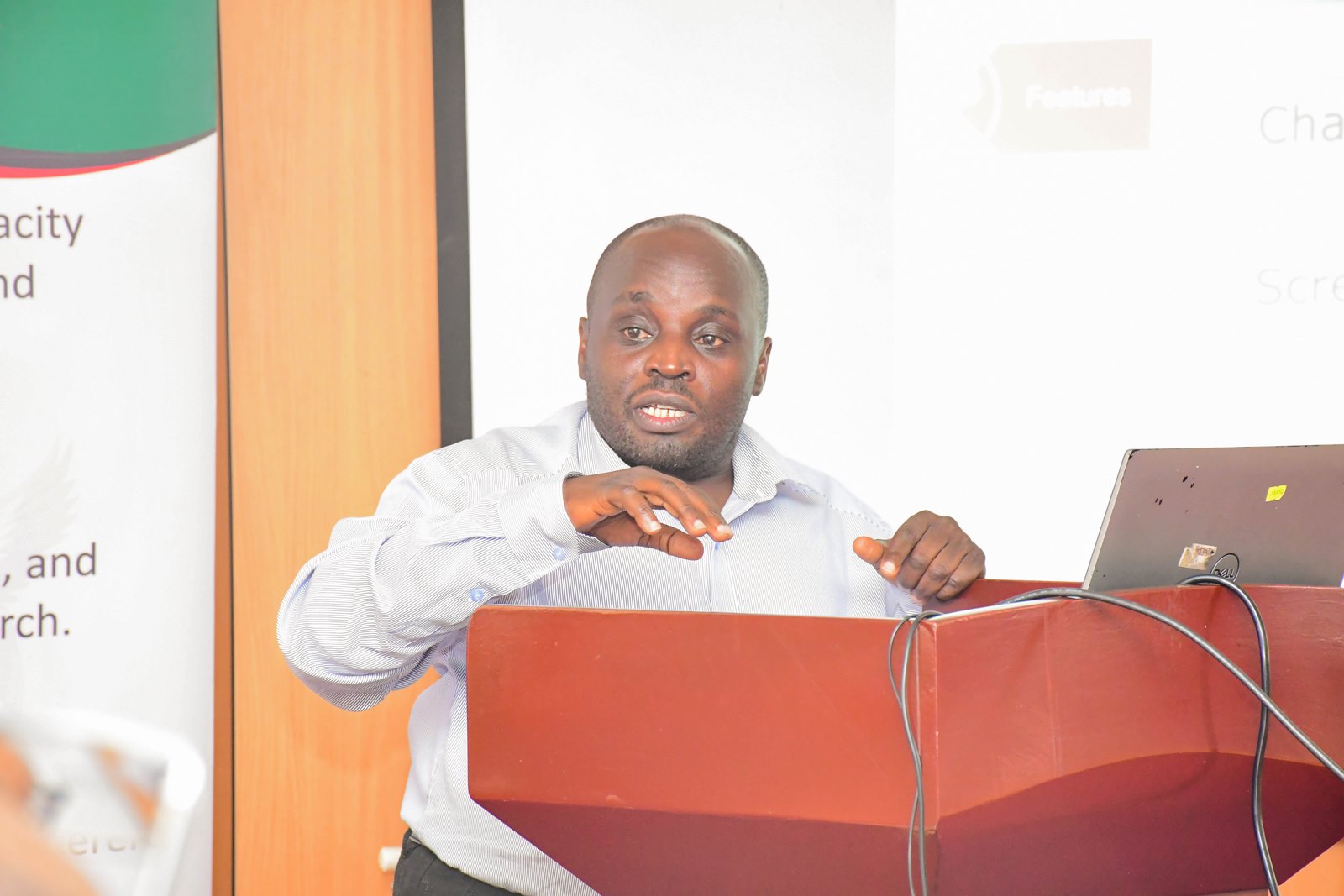
Building on to the aforementioned presentation, Dr. Godfrey Mayende, the Head, Department of Distance Learning and Deputy Director at the Institute of Open, Distance and eLearning, highlighted the role of digital platforms such as Zoom, Microsoft Teams, Google Meet, and WebEx in improving meeting efficiency and documentation. He pointed out that these platforms provide useful features like recording, transcription, and chat functions that make meetings more interactive and inclusive. “Familiarity with these tools enhances accountability and ensures that discussions are well-documented and easy to retrieve,” he advised.
Writers: Ritah Namisango is a Principal Communication Officer at Makerere University. Christopher Kaahwa contributed to this article as a Volunteer. Christopher Kaahwa is a Graduate of Makerere University-Bachelor of Journalism and Communication.
-MAK NEWS. Give us feedback on this story through our email: kamwokyatimes@gmail.com