Leaders in Lira City have appealed to the government to urgently reinstate the planned road network connecting the Akii-Bua Olympic Stadium, warning that the multi-billion-shilling facility could fail to deliver its full economic and sporting potential if the supporting infrastructure is not completed. The appeal follows reports that roads initially included in the stadium project have been dropped from the current scope of works.
The roads earmarked for construction include the 2.1-kilometre Ireda Shamba Road, 2.5-kilometre Lumumba Ogengo Road, 5.2-kilometre Boroboro Road, 2.5-kilometre James Alal Road, 1.7-kilometre Won-Nyaci Road, 1.7-kilometre Erute Road, 0.5-kilometre Dokolo Road, 1.5-kilometre Moroto Road and 1.5-kilometre Gapco-Odokomit Road, covering a total of 18.3 kilometres.
Although construction of the Akii-Bua Olympic Stadium is progressing on schedule and is expected to be completed by December, local leaders argue that the facility will remain difficult to access without the planned road network linking it to the city centre, hotels, commercial areas and other key amenities.

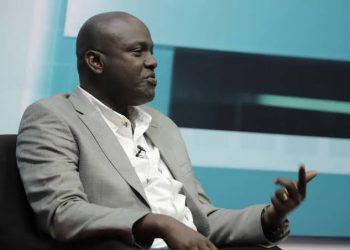
Emmanuel Akeny, President of the Lira City Development Forum, welcomed the government’s investment in the Olympic-standard stadium but said the project should not be implemented in isolation from the infrastructure needed to support it.
Akeny explained that officials from the Ministry of Works and Lira City authorities had previously identified nine roads that would improve connectivity to the stadium ahead of future continental sporting events. Reports that the road works had been halted, he said, had raised concern among residents because the roads were expected to be constructed concurrently with the stadium.
Akeny said the government’s investment in the stadium should be completed by constructing the accompanying road network, arguing that the roads are essential for enabling access to the facility and ensuring that the project achieves its intended objectives.
He noted that the roads were designed to facilitate the movement of athletes, spectators and visitors while stimulating tourism, trade, employment and commercial development around the stadium. Without them, he warned, the multi-billion-shilling sports facility would remain isolated and inaccessible despite its strategic importance.
He further revealed that Lira City had deliberately excluded several roads in the eastern division from the ongoing World Bank-funded road programme because they were expected to be constructed under the Akii-Bua Stadium project. According to Akeny, failure to reinstate the roads would leave City East Division excluded from both programmes, creating unequal infrastructure development within the city.
He added that abandoning the roads would undermine the principles of equitable development espoused in Uganda’s national development agenda and the United Nations Sustainable Development Goals. The forum is now calling on the government to restore the planned 18.3-kilometre road network to the current stadium contract.
Akeny argued that because the project is being implemented under a design-and-build arrangement, the roads can still be incorporated into the contractor’s scope of work before completion. He also appealed to the Ministry of Education and Sports to clarify the government’s position on the road project, saying the roads should be completed and handed over together with the stadium to ensure the facility becomes fully operational.
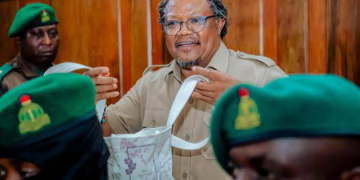
Lira City Mayor Sam Atul echoed the concerns, saying the city appreciates the government’s investment in the Olympic-standard stadium but remains concerned about delays in implementing the supporting road infrastructure. He said the City Council had already written to the Ministry of Works seeking clarification after earlier project designs identified nine roads intended to connect the stadium to the city.
The council is also engaging the Ministry of Education and Sports and the National Council of Sports, which is overseeing the project, to establish when the roads will be constructed.
Atul said the city needs an early decision because delays in implementing the road works could undermine access to the stadium once construction is completed. He disclosed that preliminary information suggests the original 18.3-kilometre road network could be reduced to 10.5 kilometres but said the government should clearly indicate which roads will be prioritised.
According to the mayor, Won-Nyaci Road, which stretches from Obote Avenue through VH Public School to the Lango Cultural Foundation and the stadium, should be treated as the principal access route because it provides the most direct link to the facility. He argued that access to an Olympic-standard stadium should meet the same standard as similar facilities elsewhere and noted that the road remains unpaved despite its importance.
Atul further argued that incorporating the road works into the existing stadium contract would be faster and more cost-effective than waiting for the city to undertake them separately under future urban infrastructure programmes.
He explained that because the contractor is already on site, the government could simply expand the current contract instead of initiating a new procurement process involving design reviews, approvals and tendering, which could significantly delay completion.
The leaders maintain that completing the access roads alongside the stadium is critical if the Akii-Bua Olympic Stadium is to host major continental sporting events and generate the expected benefits for sports, tourism, trade and economic development in Lira City and the wider Lango sub-region-URN. Give us feedback on this story through our email: kamwokyatimes@gmail.com