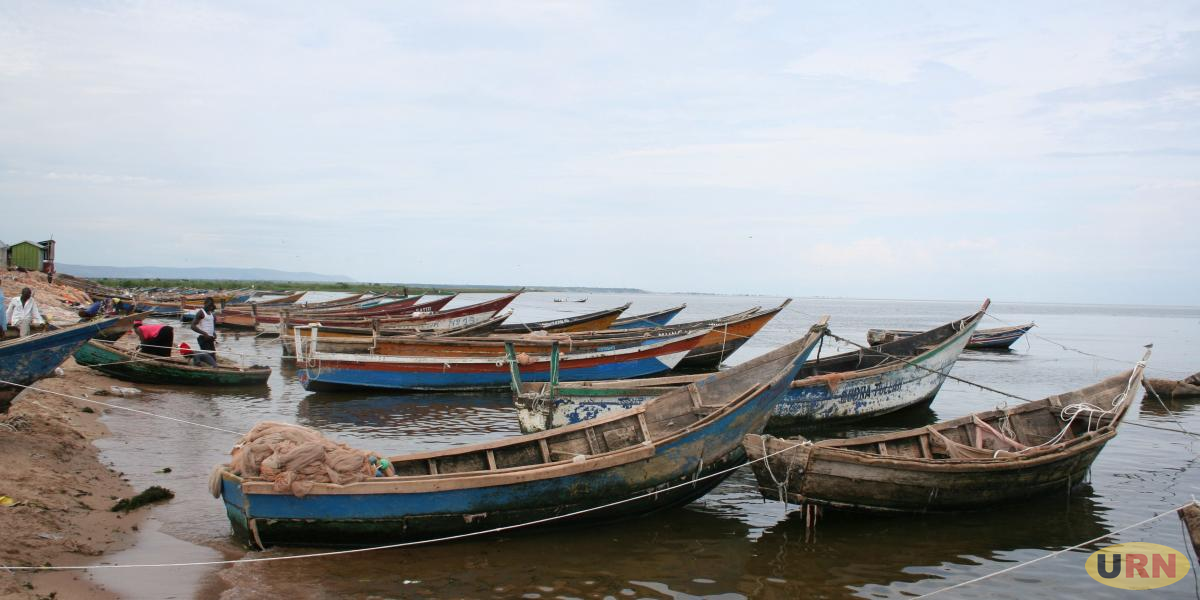
Fishermen operating on Lake Albert in the Bunyoro say the new government fishing regulations are threatening their livelihoods. They say they are struggling to meet licensing requirements and afford the recommended fishing gear.
Ibrahim Musa Asaba, a fisherman at Butiaba Landing Site in Buliisa District, says the new rules have pushed many families deeper into poverty. He says many fishermen can no longer afford school fees for their children or provide basic household needs.
Patrick Musinguzi, a fisherman at Runga Landing Site in Hoima District, says Lake Albert is the community’s main source of income. He appeals to the government to involve fishermen in implementing regulations that protect fish stocks without destroying livelihoods.

Christine Atimnedi, a fishmonger at Kyehoro Landing Site in Kikuube District, says many families are facing hunger because they have been prevented from accessing the lake under the new regulations.
Anyesi Bidong, a fishmonger at Butiaba Landing Site, says women who depend on smoking fish and trading silverfish have been left without work.
She explains that many women invested Parish Development Model (PDM) funds in fish businesses and now fear they will be unable to repay the loans because their businesses have stalled.
Fred Ajuna, a fisherman at Kijangi Landing Site in Hoima District, says many fishermen remain trapped in poverty because fishing is their only source of income, yet they cannot afford the recommended equipment.
Reginal Ngamita, a fisherman at Buhuka Landing Site and LCII chairperson of Buhuka Parish in Kyangwali Sub-county, Kikuube District, says the cost of acquiring licences and approved fishing gear is too high for most fishermen.
Addressing fishermen at Kaiso Landing Site in Hoima District, Deputy Chief of Defence Forces Lt Gen Samuel Okiding defended the regulations, saying they are intended to restore fish stocks and promote sustainable fishing. He warned that anyone found using illegal fishing gear would be arrested and prosecuted.
The regulations, introduced to curb illegal fishing and promote sustainable fisheries, require each landing site to have at least 100 licensed fishermen and 30 registered boats. Fishmongers must also obtain operating licences, while the Uganda People’s Defence Forces (UPDF) has resumed oversight of fishing activities.
The guidelines warn that anyone found engaging in illegal fishing practices faces prosecution and could be jailed for up to eight months.
However, fishermen say the measures have made it difficult for many families to earn a living. They argue that the cost of licences and approved fishing gear is beyond the reach of many operators. Some fear that those unable to comply may resort to illegal fishing, increasing the risk of confrontation with security personnel enforcing the regulations.
According to the Ministry of Agriculture, Animal Industry and Fisheries, illegal fishing includes using fishing nets smaller than five inches for tilapia and seven inches for Nile perch. It also includes operating fishing boats shorter than 20 feet. Lake Albert supports more than 50,000 fishermen and produces over 100,000 tonnes of fish annually-URN. Give us feedback on this story through our email: kamwokyatimes@gmail.com