Kitgum General Hospital has introduced mandatory monthly meetings with inpatients to address complaints of illegal money extortion, staff rudeness and poor sanitation, as the 88-year-old facility struggles with more than four times its designed inpatient capacity. The hospital currently accommodates about 450 inpatients daily against its original capacity of 100 beds, forcing dozens of patients to sleep on bare floors.
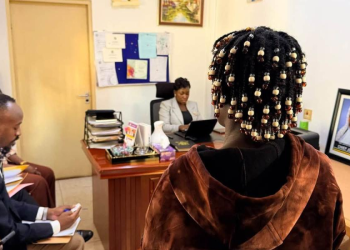
Speaking during the inaugural engagement with patients in the hospital wards on Tuesday, Dr Geoffrey Akena, the hospital’s Executive Consultant, said top management, ward in-charges and hospital board members will conduct routine and unannounced ward walkthroughs to receive direct feedback from patients.
Akena said the initiative followed complaints raised through the media and by community leaders about the quality of care at the hospital.“We have decided to hold engagement meetings with inpatients to give impromptu accountability and report concerning patient care,” he said. He said the complaints include patients being forced to buy medical supplies, extortion of money, rude conduct by staff, and poor cleanliness in wards and urinals.

“This has stemmed from concerns coming through the media and community leaders that certain things are not being done right, such as patients being forced to buy supplies, extortion of money, staff being rude, and general poor cleanliness of the wards and urinals,” Akena said. The monthly meetings are intended to restore public confidence in the hospital while allowing management to respond directly to concerns raised by patients.
The initiative comes as the hospital faces increasing pressure from a growing number of patients. Established in 1938 to serve 100 inpatients and about 500 outpatients a day, the hospital now handles about 1,500 outpatient visits every 24 hours.
Akena said the hospital recorded nearly 80,000 outpatient visits and 22,000 admissions over the past year, alongside 3,400 deliveries and 550 deaths, including four maternal deaths.
He said the high patient numbers have also contributed to shortages of medicines supplied through National Medical Stores. “Every second you go to the wards, out of three drugs a doctor prescribes, you get one missing. The credit line supplies from NMS are clear, but the drugs are simply insufficient for the numbers we receive,” Akena said.
The shortages have raised concerns among patients and local leaders, some of whom have called for the hospital to be elevated to a Regional Referral Hospital. Akena said Kitgum General Hospital now serves a catchment population of more than two million people and has secured specialist medical personnel.
However, he said elevation alone would not resolve the hospital’s operational challenges. “Regional referrals in our region like Gulu and Lira still face similar challenges regarding human resources and stockouts. Status elevation will leverage resources and reduce stockouts to a lesser extent, but the underlying volume pressure remains,” he said.
Philip Michael Okot, the hospital’s Environmental Health Officer, said health workers are dealing with open defecation within the hospital compound, particularly around the maternity ward. “We collect fecal matter from the compound daily because some patients and attendants are unaccustomed to flushing toilets. While we enforce hygiene education, behavioural resistance remains a continuous challenge,” Okot said.
He said the monthly inpatient meetings and a planned hospital Open Day in November could provide an opportunity to sensitise patients and attendants about hygiene and proper waste disposal. Okot said poor waste disposal can expose patients and attendants to additional infections while they are seeking treatment.
The November Open Day is also expected to bring together hospital management, community leaders and other stakeholders to develop a five- to 10-year strategic plan for the facility. For management, the immediate challenge is to improve accountability and patient care while the hospital continues to operate under pressure from a patient population far beyond the capacity for which it was established-URN. Give us feedback on this story through our email: kamwokyatimes@gmail.com