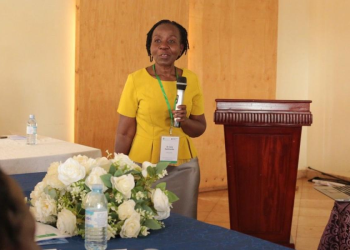
Kigezi Sub-region recorded 801 perinatal deaths during the 2025/2026 financial year, with health officials warning that the figure is unacceptably high and calling for urgent measures to prevent further deaths. The deaths were recorded across the sub-region during the financial year, according to health records presented on Wednesday at the fourth Kigezi Health Sector Joint Performance Review Mission held at Volcano Hotel in Rubanda District.
Of the 801 deaths, 321, representing 40 percent, were early neonatal deaths involving babies aged between zero and seven days. Another 283 cases, or 35 percent, were macerated stillbirths, while 197 cases, representing 25 percent, were fresh stillbirths. The two-day review mission is assessing health-sector performance during the 2025/2026 financial year and developing action plans to improve healthcare delivery across Kigezi.
It is also reviewing the implementation of resolutions and action plans agreed upon during the third review mission held last year in Kanungu District. The region also recorded 34 maternal deaths during the same financial year. Health officials linked the deaths to complications including probable postpartum haemorrhage, shock or sudden collapse, eclampsia and sepsis.

Among the cases presented was the death of a mother and her baby at Kishanje Health Centre II in Bufundi Sub-county, Rubanda District. The deaths were reportedly linked to challenges in referring the mother to a higher-level health facility. Another case involved a pregnant woman identified only as Keneema, a resident of Migyeesi Village in Bucundura Parish, Kashambya Sub-county, Rukiga District. Keneema was initially taken to Mpungu Health Centre III in Hamurwa Sub-county, Rubanda District, for delivery but was later referred to Kisiizi Hospital in Nyarushanje Sub-county, Rukungiri District.
Joram Niwagaba, the Kashambya Sub-county district councillor, said efforts to transport the mother to the referral facility were hampered by the hilly terrain, poor roads and lack of reliable transport. He said Keneema arrived at Kisiizi Hospital late and died together with her baby upon arrival.
Dr. Gerald Mutungi, Assistant Commissioner for Non-Communicable Diseases at the Ministry of Health, who represented Health Minister Dr. Chris Baryomunsi at the meeting, described the 801 perinatal deaths as unacceptable.
Mutungi said investigations into the deaths had identified several contributing factors, including inadequate monitoring of labour by midwives and delays in referring mothers who require specialised care, including Caesarean sections.
He called for stronger midwifery skills, improved referral systems, better monitoring of labour and early identification of high-risk pregnancies to reduce perinatal deaths.
Dr. Akasiima Mucunguzi, the Rukungiri District Health Officer, said the problem is also affecting Rukungiri District. Akasiima attributed some of the deaths to delays by mothers in seeking care during labour, while also pointing to gaps in neonatal services at many health facilities across the region.
She said the shortage of neonatal care services makes it difficult for facilities to save premature babies and newborns requiring specialised or intensive care.
Dr. Gilbert Arinaitwe Mateeka, the Kabale District Health Officer, also acknowledged the challenge in Kabale District. Mateeka said equipping Health Centre IVs across the region with neonatal care services should be among the key interventions to address the high number of perinatal deaths-URN. Give us feedback on this story through our email: kamwokyatimes@gmail.com