Kibabii University is developing a technology-driven education system to help identify children at risk of dropping out of school in Bungoma and Busia counties
The technology will also identify children at risk of falling into exploitation and being drawn into cross-border child labour.
The proposed Smart Education Model seeks to strengthen child protection by using digital technology to track school attendance, detect warning signs of exploitation and trigger timely interventions before vulnerable learners are pushed out of the classroom.

The initiative, dubbed From Research to Action: Developing an Evidence-Based Smart Education Model to Address Cross-Border Child Labour in Bungoma and Busia Counties, comes against the backdrop of worrying research findings linking children’s involvement in work to school absenteeism and cross-border movement.
At the centre of the proposed intervention is a mobile-based Early Warning and Attendance Tracking System designed to monitor learners’ attendance in real time and flag cases requiring immediate attention.
The system will generate mobile alerts when children are repeatedly absent from school, suspected to be involved in work during school hours or exposed to risks associated with cross-border movement.
The alerts will be sent to designated stakeholders, including teachers and child protection officers, who will verify the cases, conduct follow-ups and initiate appropriate interventions.
The proposed system is informed by a baseline study conducted by Kibabii University, which exposed the extent to which child labour is interfering with children’s education in the two counties.
The study reached 311 children, comprising 203 from Bungoma and 108 from Busia counties. Researchers also conducted six focus group discussions with children and eight interviews with education officials, community leaders and child protection stakeholders.
The findings showed that 58.8 per cent of the children surveyed had engaged in work on school days, while 35.7 per cent had worked during school hours.
The findings point to the challenge of balancing education and work among vulnerable children, raising concerns about the risk of prolonged absenteeism, school dropout and exposure to exploitation.
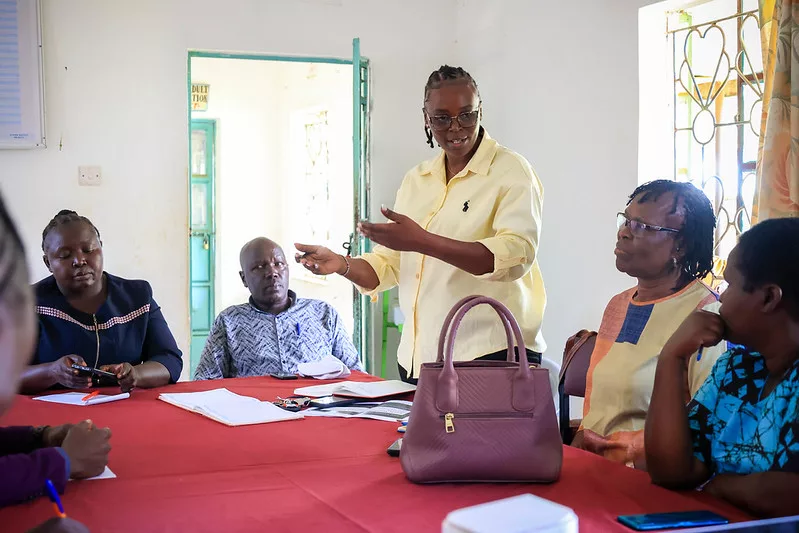
During a stakeholder engagement meeting to discuss the proposed intervention, representatives from schools, government departments, community leadership and civil society welcomed the university’s initiative, describing it as a timely intervention that could strengthen existing child protection mechanisms.
Maxwell Ochieng, representing the Ministry of Labour, Social Protection and Senior Citizen Affairs, highlighted existing legal safeguards, including the Children Act, 2022 and the Employment Act, 2007.
“We acknowledge the challenges in implementing and enforcing these laws. There is need to strengthen child protection interventions at the community level,” Ochieng said.
He also pointed to the Child Protection Information Management System (CPIMS), which is used to record, manage and track cases involving children exposed to child labour, neglect, abuse, exploitation and trafficking.
Meanwhile, SHOFCO representative Sylvia Wafula challenged communities to confront the role of adults in perpetuating child labour and violating children’s rights.