The government has called on the private sector in Lira City to urgently invest in hotel infrastructure as Uganda steps up preparations to host matches of the Africa Cup of Nations (AFCON), warning that inadequate accommodation could derail the city’s chances of hosting international teams.
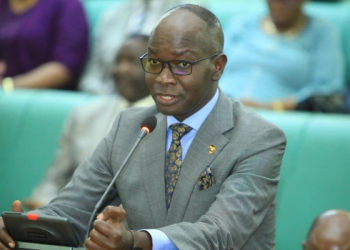
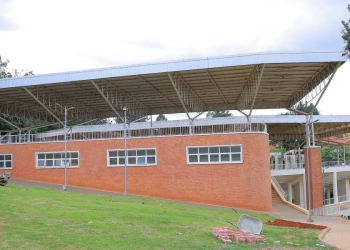
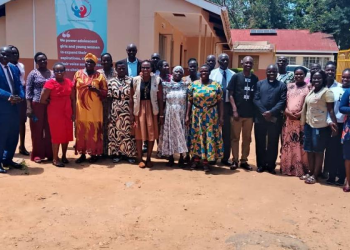
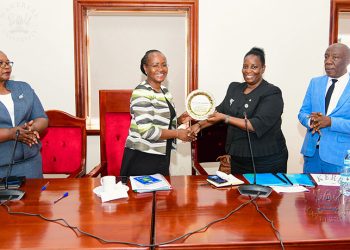
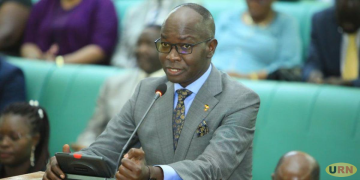
Speaking during site handover of an AFCON training facility at Lira University, Peter Ogwang, the State Minister for Sports, said the country is operating under strict timelines to meet the standards set by the Confederation of African Football (CAF), emphasizing that success will depend not only on government efforts but also on private investment.
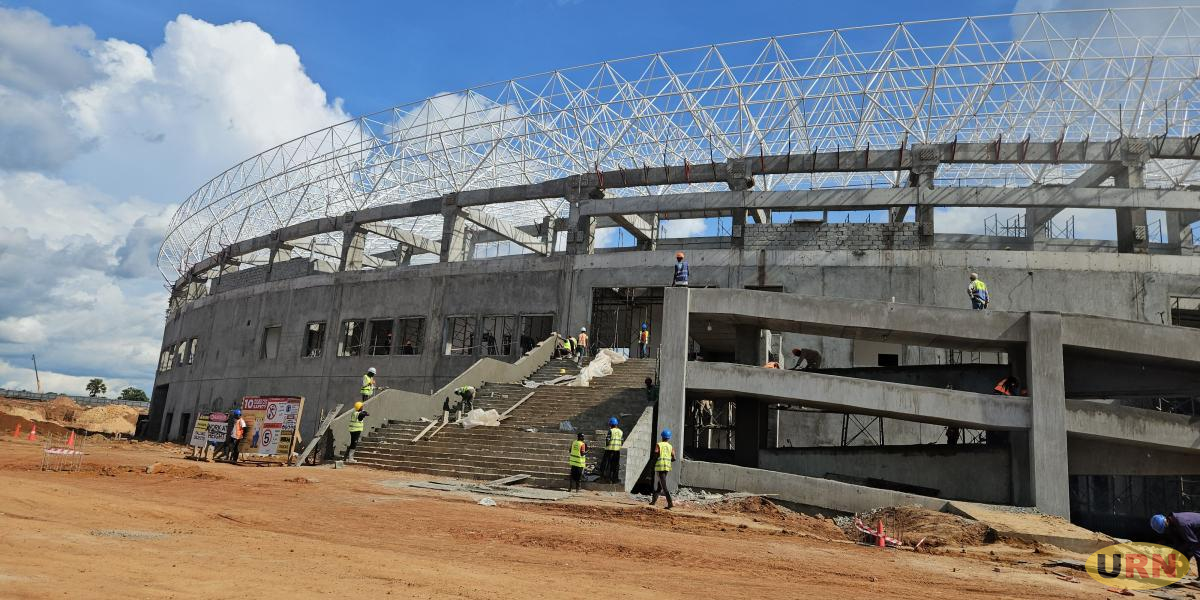
The appeal follows a recent visit by CAF’s head of compliance and infrastructure inspection, who raised concerns about the lack of adequate training facilities and accommodation in the area. While progress has been made on the stadium, officials noted that critical gaps remain, particularly in certified hotels that meet CAF requirements.

“We either deliver for the country or we fail,” Ogwang said, stressing that hotel infrastructure is a key requirement for hosting elite competitions like AFCON. “There are no shortcuts. The facilities must meet CAF grading standards.”
Currently, Lira’s limited bed capacity is seen as a major challenge, with estimates suggesting the city may not accommodate even 2,000 visitors, far below what is required for a tournament of AFCON’s scale, which attracts teams, officials, and fans from across the continent.
Ogwang warned that without sufficient high-standard hotels, teams may be unable to stay in Lira even if the stadium meets international standards. “You can have a ready stadium, but where will the players sleep?” he asked, noting that elite competitions demand top- tier accommodation.
Beyond AFCON, the government is also positioning Lira as a hub for sports tourism, with several competitions already lined up. These include a planned Four Nations Tournament scheduled for January, as well as future international events earmarked between 2027 and 2032.
Authorities say teams are expected to arrive early in Uganda to acclimatize to local weather conditions, and Lira is being considered as a potential training base. However, this opportunity could be lost if accommodation and supporting infrastructure are not upgraded in time.
“The private sector must come in and take advantage of the opportunities. The money is there, but we must be ready.”
In addition to hotels, concerns were raised about road access to key facilities. Ogwang said plans are underway to deploy contractors to improve critical routes, while existing roads linking Lira to Gulu and other areas have been described as motorable.
The government also highlighted ongoing efforts to upgrade nearby airports and health facilities to meet international standards required for hosting major tournaments.
He further urged institutions such as Lira University to invest in complementary sports infrastructure, including indoor arenas, to position the region for hosting university-level international competitions.
Earlier, Lira City Mayor Sam Atul had acknowledged that some roads leading to the stadium remain in poor condition, which could pose logistical challenges during international events.
With Uganda already securing rights to host the All-Africa Games in 2031 and other continental events, authorities insist that time is running out to address existing gaps.
However, Morris Chirs Ongom, the Director Chamber of Commerce, Lango Chapter raised concerns arguing that the current economic situation and few opportunities continue to stretch the hotel industries, making them quite concerned about putting resources, whether borrowed or leveraging on what they have to expand the hotel infrastructures.
Ongom also emphasized the importance of improving services at the already available facilities to meet the demand.
Meanwhile Emmanuel Akeny, the president of the City Development Forum, argues that this is an opportunity for the business community to tap in and maximize for generations and generations.
Akeny implored the people of Lango to make the best use of the stadium to develop talent. “It would be a mistake to have records, world records broken in Aki Bua stadium by people coming from other places,” he said.
“As local authorities and sports departments, we need to begin to work on talent identification and talent development,” he said. “There should be competitive sports at all levels starting from the local levels within the districts of Lango so that talent is exposed, talent is identified and then once identified talent is developed.”
The push now places Lira City at the center of Uganda’s broader ambition to become a competitive destination for international sports, with success hinging on coordinated investment in hospitality, transport, and sports infrastructure-URN. Give us feedback on this story through our email: kamwokyatimes@gmail.com