By KT Reporter
The African Research Universities Alliance (ARUA) 5th Biennial Conference is underway at Makerere University, and Day 2 has kicked off with a keynote address from Prof. Vukosi Marivate. The keynote speaker and ABSA-UP Chair of Data Science at the University of Pretoria delivered his address under the theme “Research, Innovation & Artificial Intelligence for Africa’s Transformation: The Power of the Grassroots”.
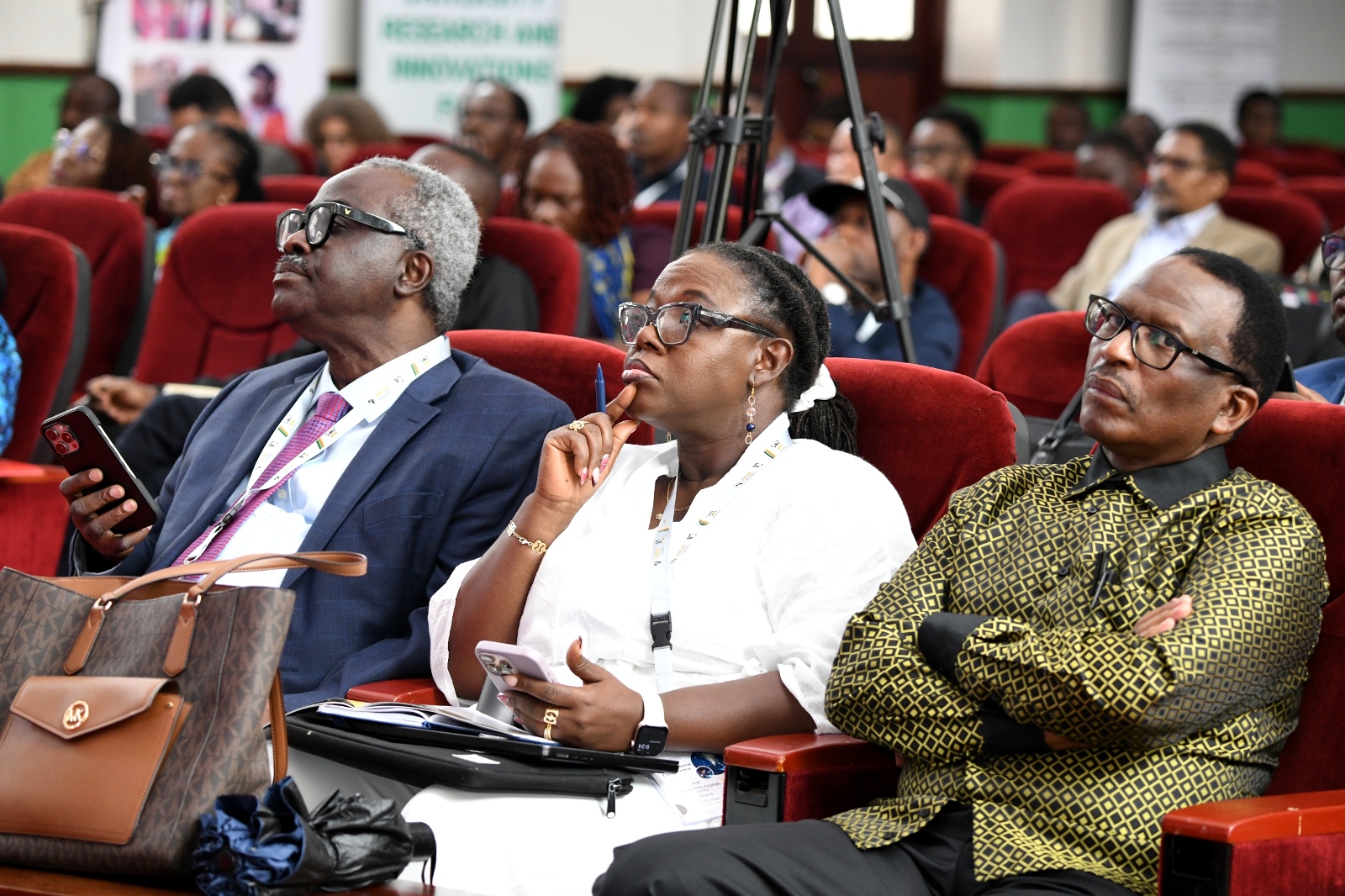
Prof. Marivate reminded the audience that Africa’s AI journey is growing from the ground up, powered not by huge institutions but by determined communities and university-based innovators who refuse to wait for permission to build. He spoke passionately about initiatives like Masakhane and the Deep Learning Indaba, which have transformed African language research and expanded technical capacity across the continent. Rather than chasing prestige journals alone, he emphasized work that actually serves African people: building language models, releasing open-source tools, nurturing talent and keeping researchers rooted on the continent. In his words, the future of African AI will be shaped by local builders who choose their own path, invest in research, and create technology guided by real community needs, not external validation.

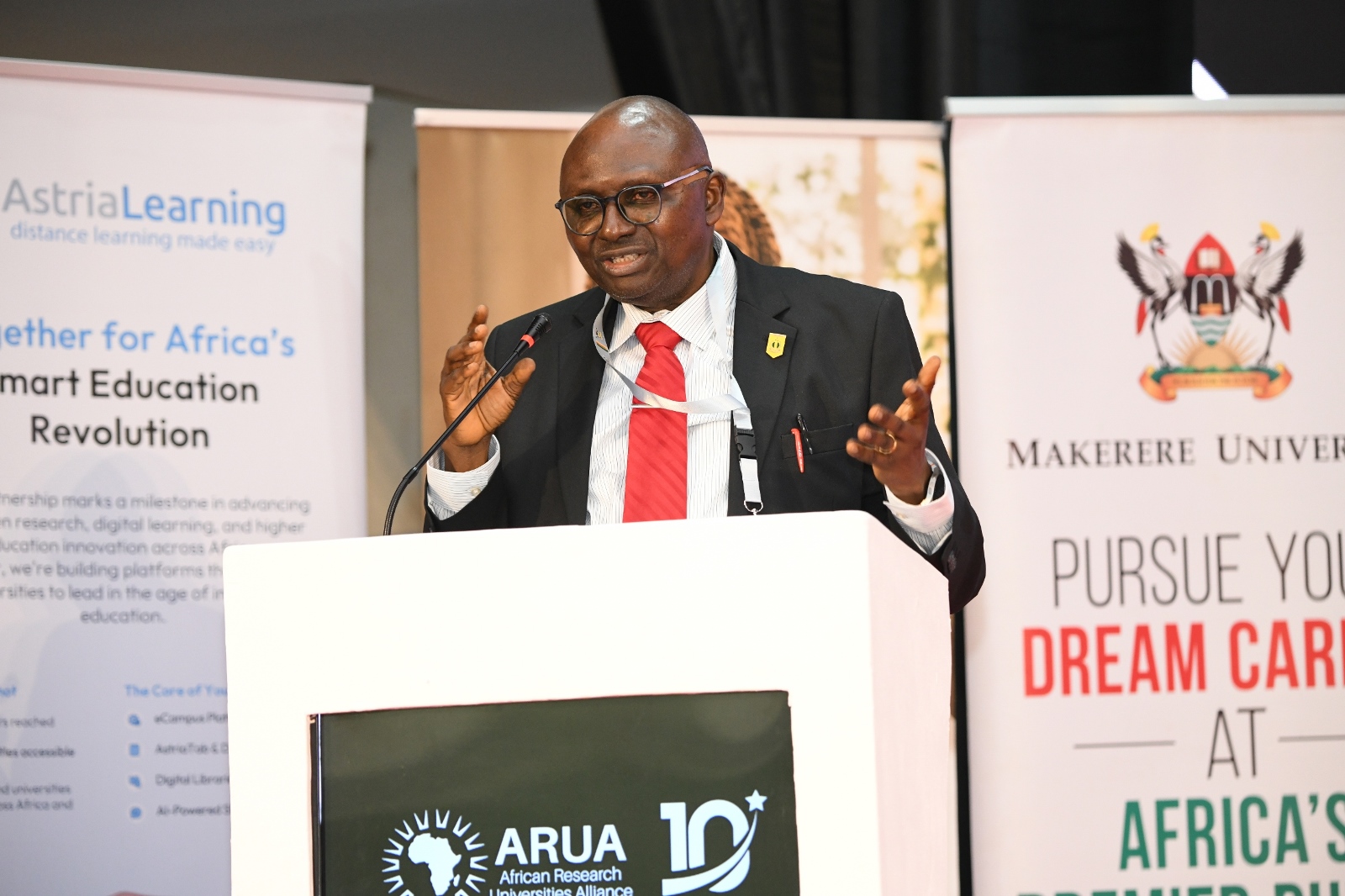
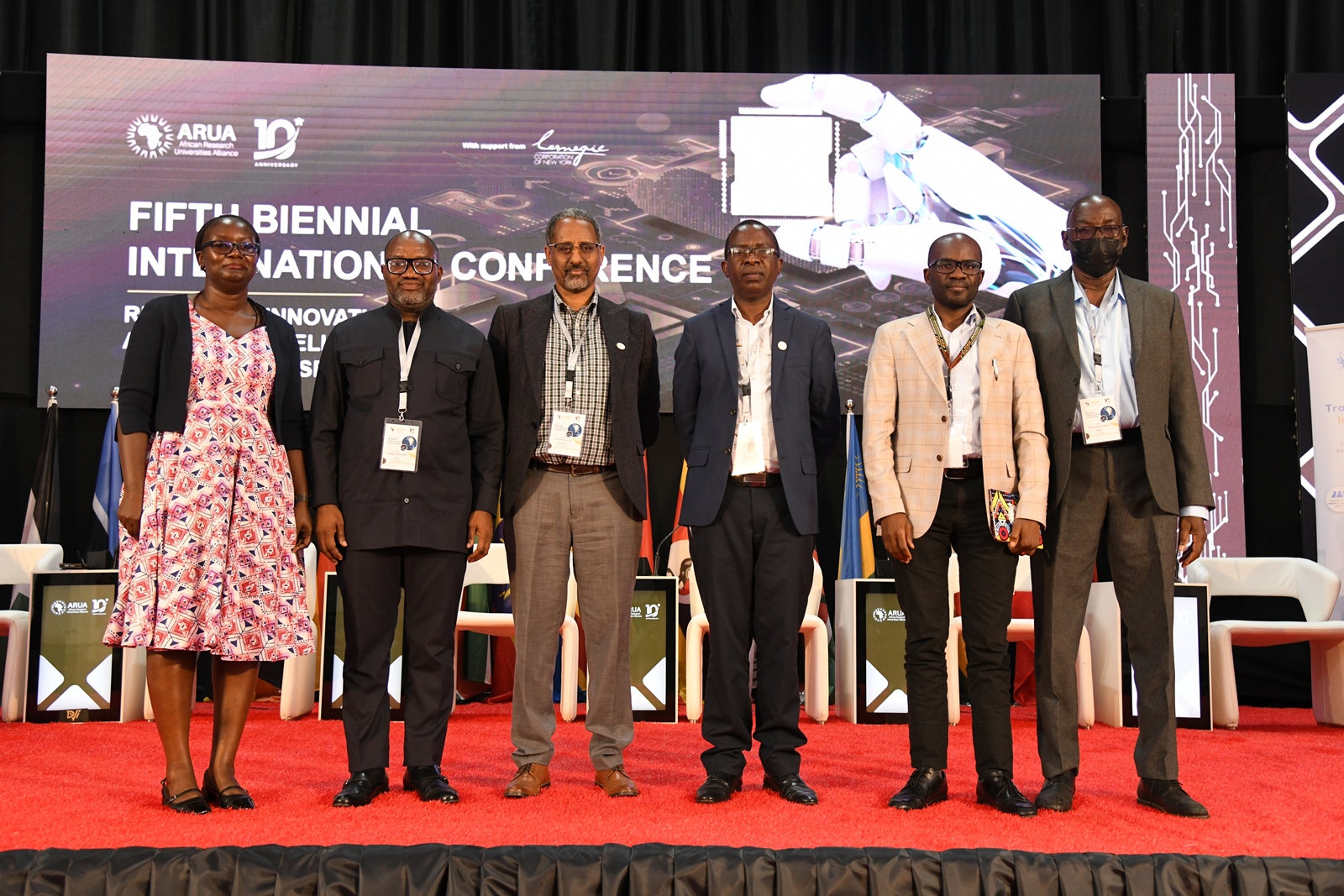
The keynote address was followed by a round discussion moderated by Prof. Kayode Oyebode Adebowale, Vice Chancellor of the University of Ibadan and speakers emphasized that Africa’s AI future will be built through deep, intentional collaboration. The discussion was centered on a theme: Collaboration of Networks (Promoting Collaborative Research and Innovation Networks in AI in Africa). They noted that the question is no longer whether AI will reshape society; it already is. The real task now is ensuring Africa shapes AI in a way that advances prosperity, equity and shared opportunity. Panelists highlighted that isolated excellence will not deliver transformation. Instead, the continent needs networks that pool expertise, resources and vision across universities, sectors and borders.
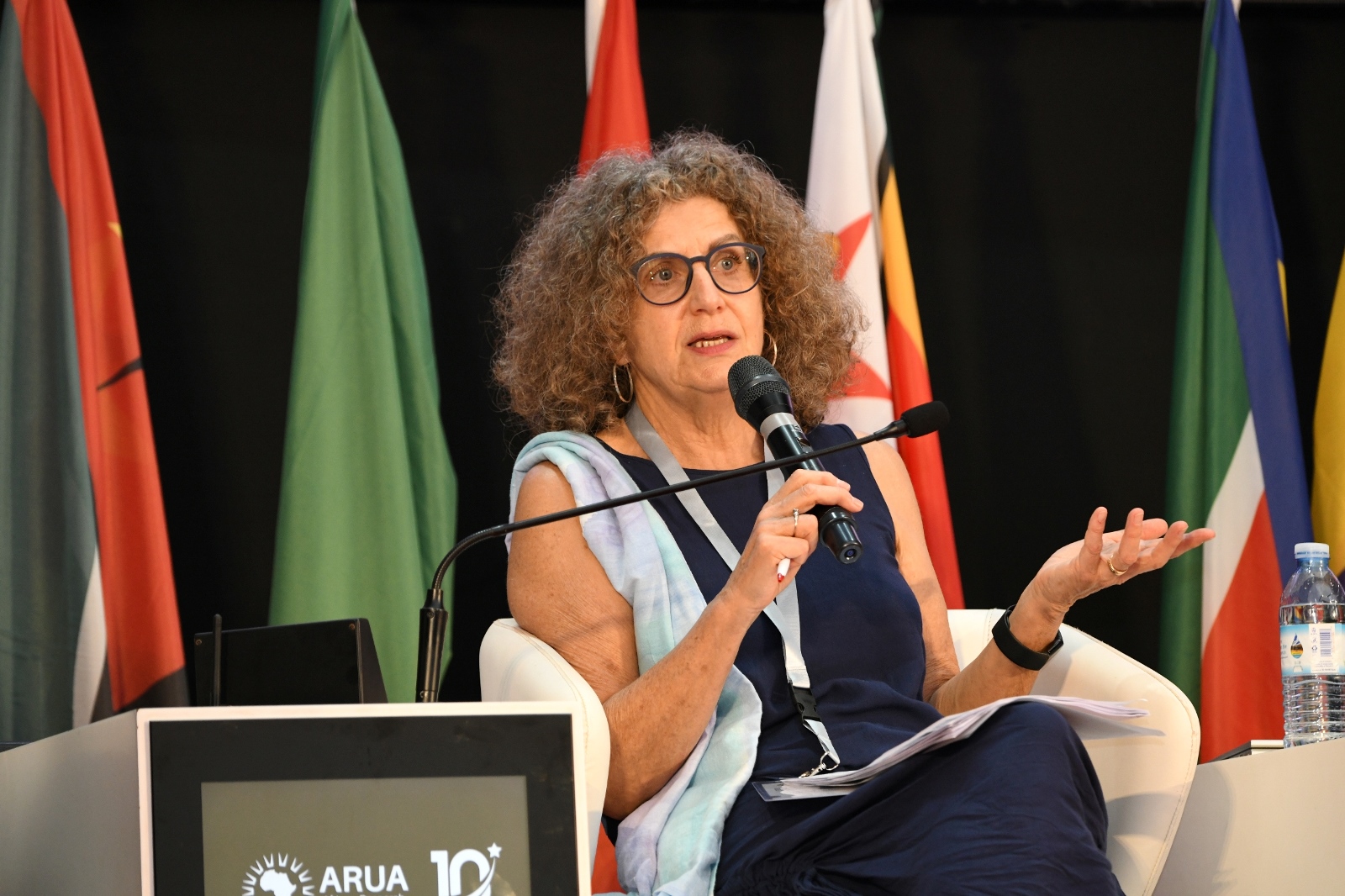
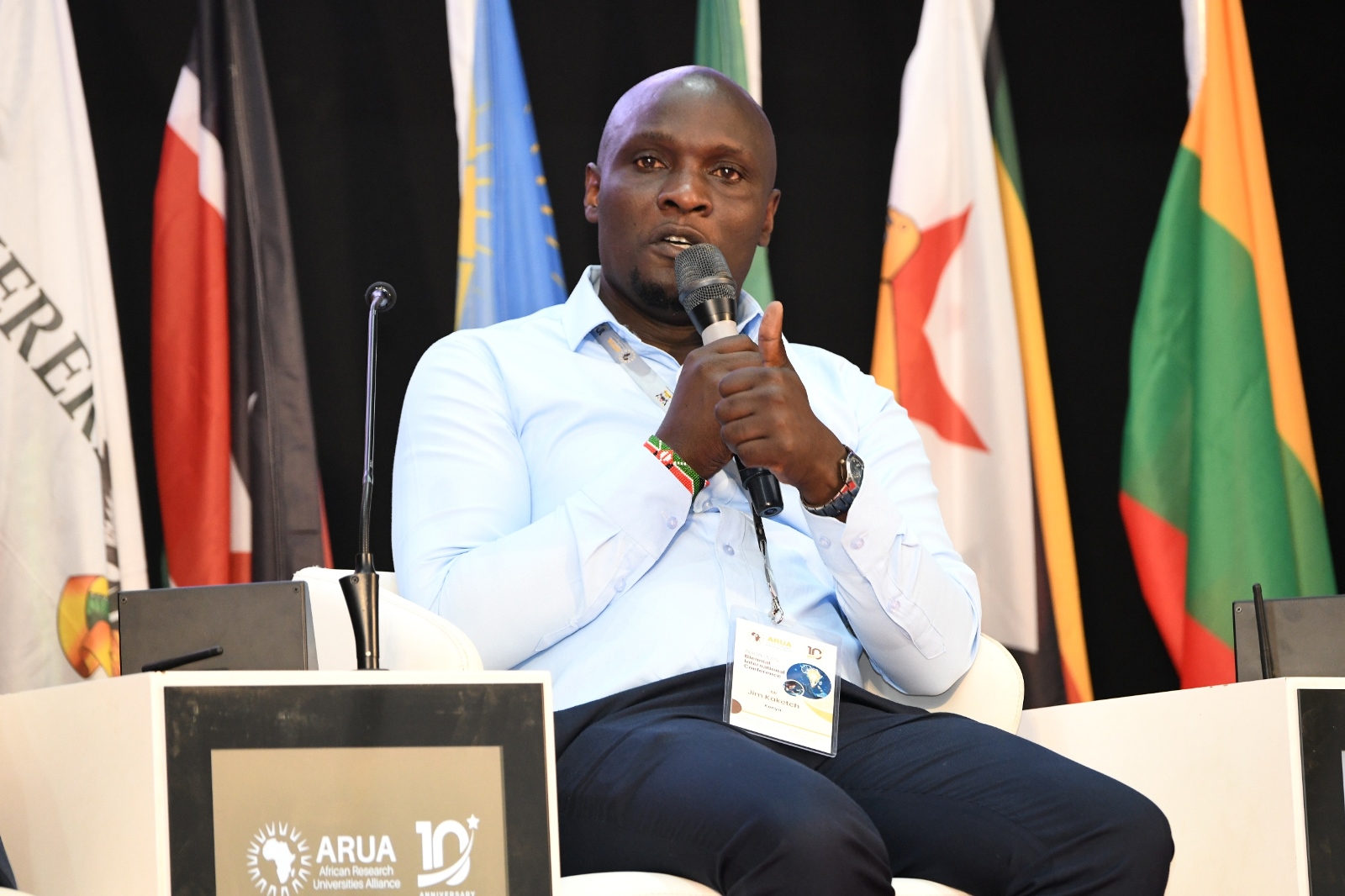
Prof. Sharon Fonn of the CARTA Consortium stressed the value of co-created knowledge systems and shared investment in research platforms. She showcased CARTA’s AI-driven research visibility tool, which is already helping African scholars connect findings to policy and practice. Prof. Anthony Egeru of RUFORUM grounded the conversation in agriculture, reminding delegates that AI must reach the acre, not just the algorithm. He emphasized practical innovation that improves smallholder farmers’ productivity and livelihoods, especially through youth-led agritech ventures. From PASGR, Mr. Jim Kaketch underscored that social scientists must not be an afterthought in AI governance, urging frameworks that safeguard ethics, accountability and citizen inclusion.
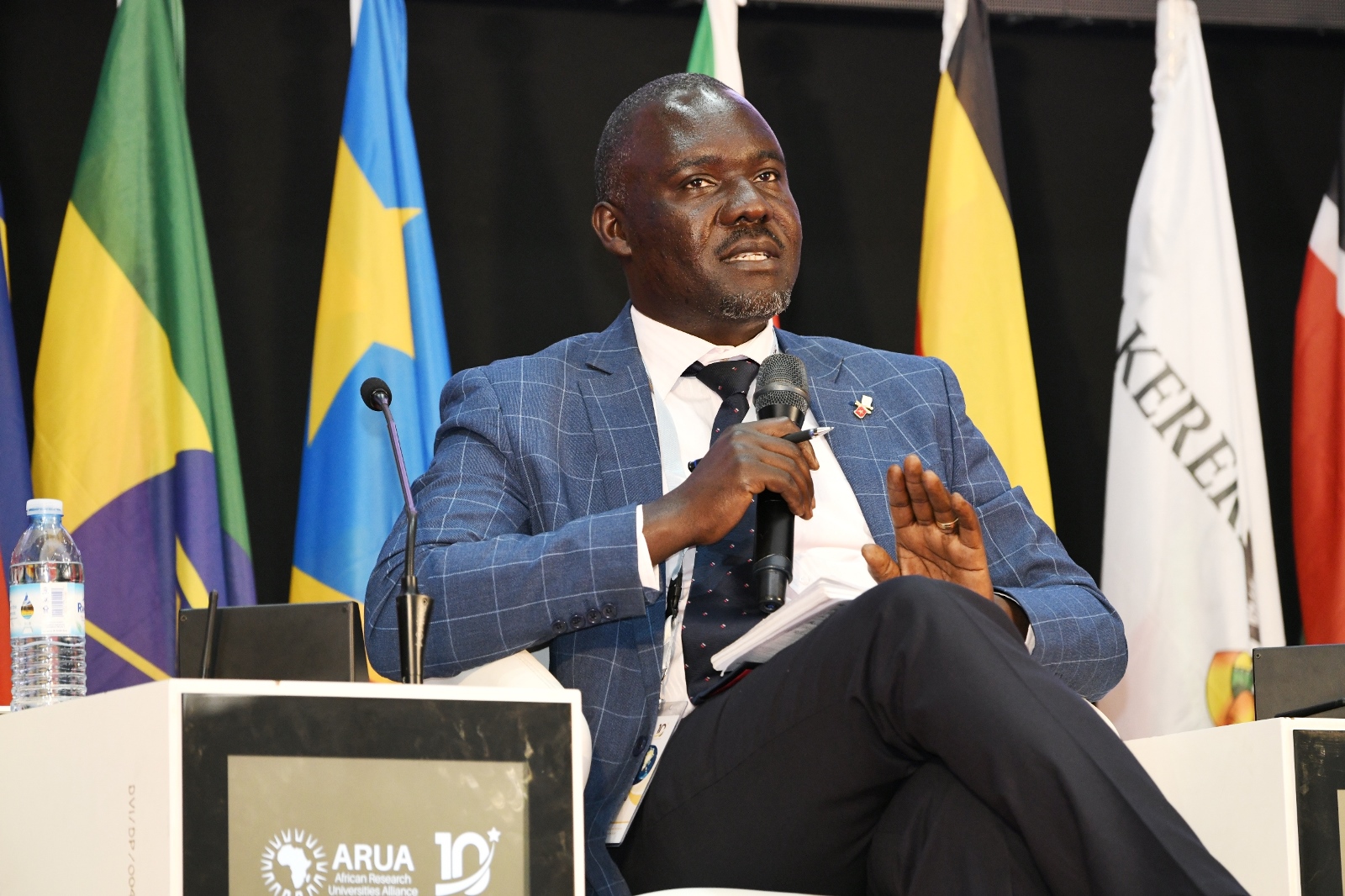
Dr. Rachid Serraj from Mohammed VI Polytechnic highlighted the power of industry-university partnerships and hands-on innovation models that prepare young Africans to build, not just consume, AI tools. Prof. Akinyemi added that African universities must rethink promotion and reward systems to recognize innovation, impact and cross-disciplinary work. The panel’s shared message was simple but powerful: Africa has talent, vision and momentum. What is needed now is aligned investment, harmonized policies and a commitment to build AI ecosystems that reflect African priorities and enable African creators to lead from the front.
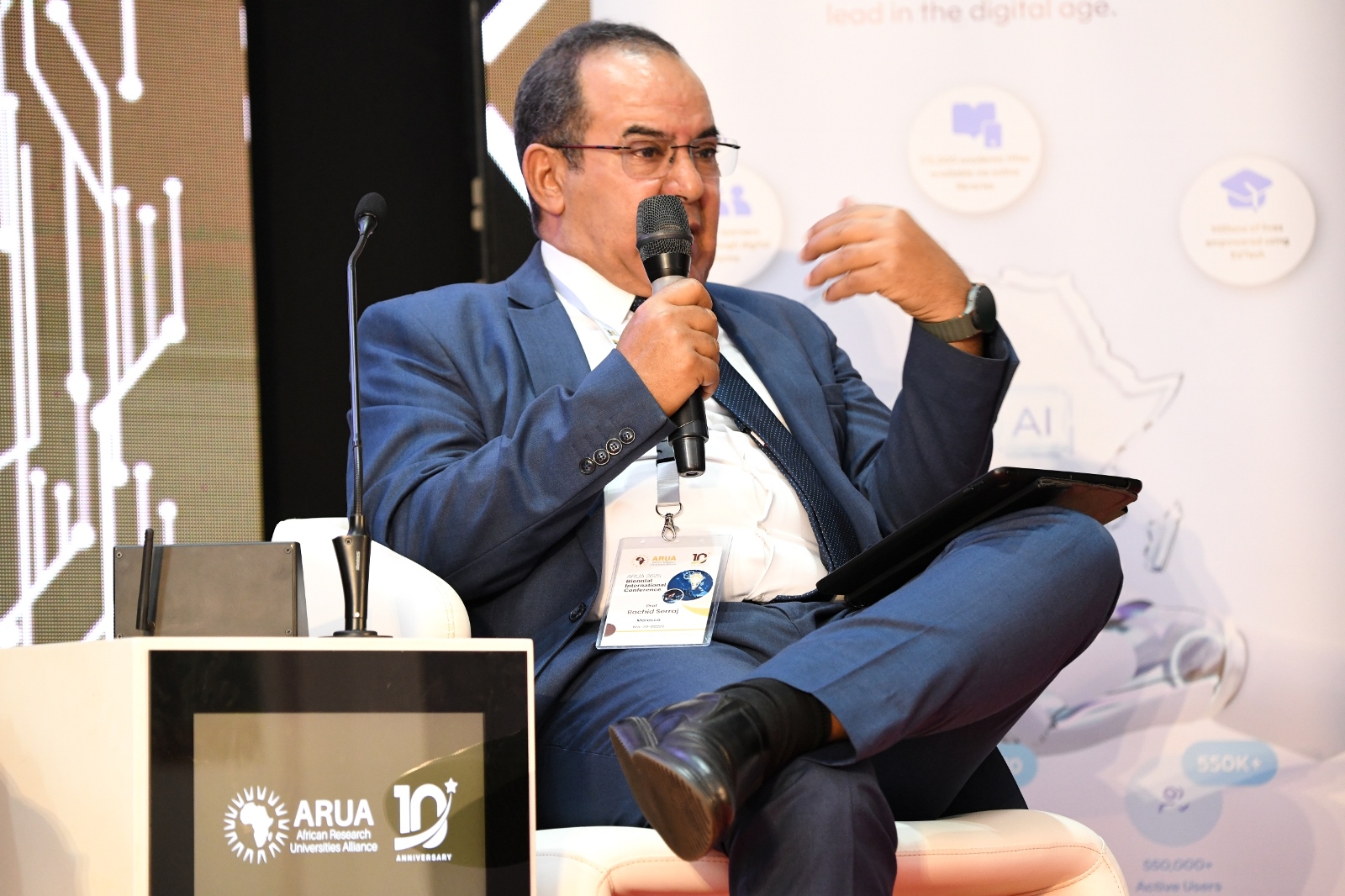
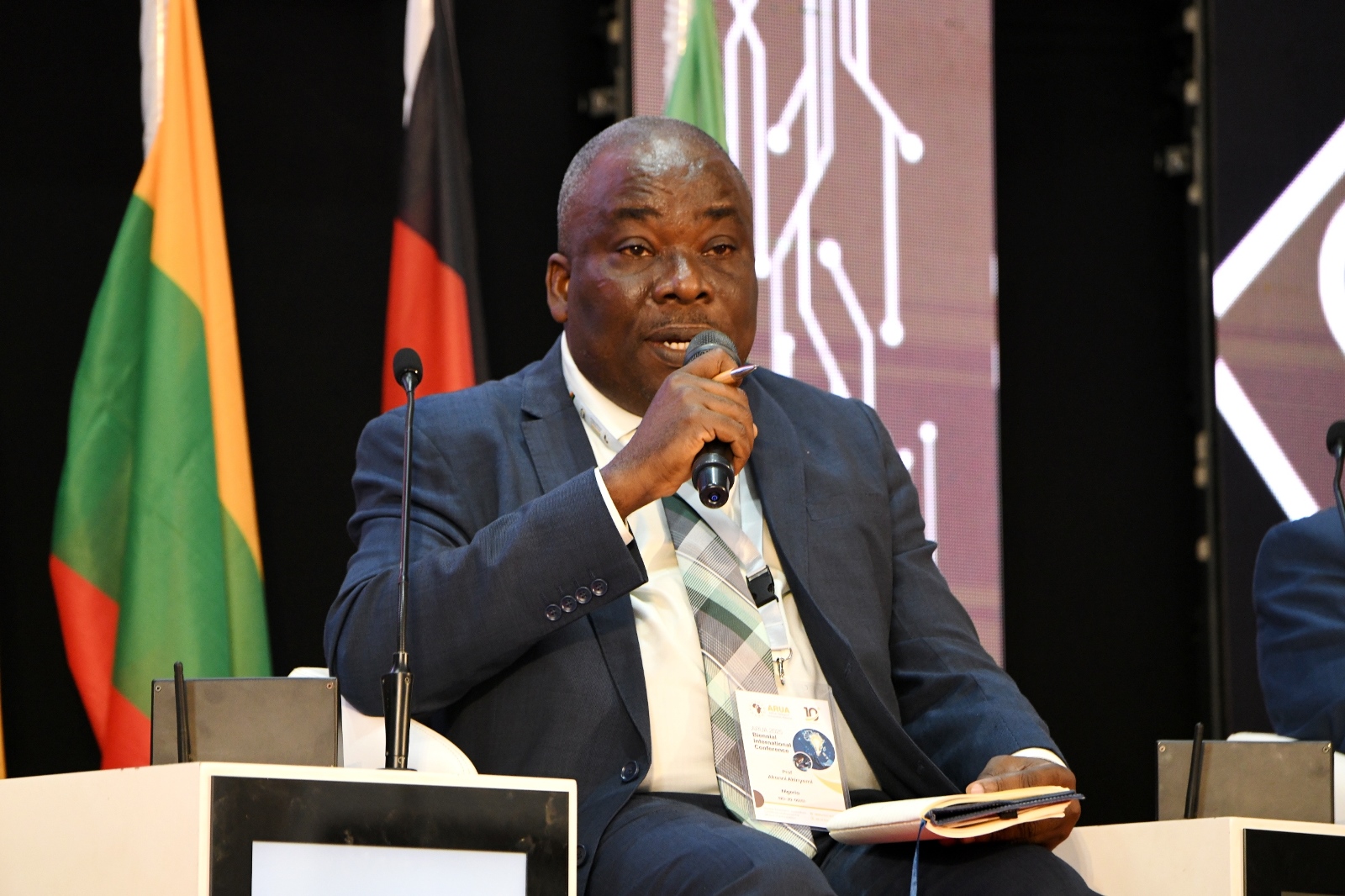
The keynote address and roundtable discussion were followed by the the Fourth Keynote Address delivered by Dr. Adama Ibrahim, Vice-Chair of the Science for Africa Foundation, and a Special Panel of the O.R. Tambo Research Chairs Initiative chaired by Makerere University‘s Dr. Joyce Nakatumba-Nabende. The session tackled themes such as: Application of AI in Research and Innovation in African Universities; Building AI Capacity and Talents in African Higher Education Institutions; Promoting Collaborative Research and Innovation Networks in AI in Africa; Research, Innovation and Artificial Intelligence for Africa’s Transformation; and AI and Creative Economies.
-MAK NEWS. Give us feedback on this story through our email: kamwokyatimes@gmail.com