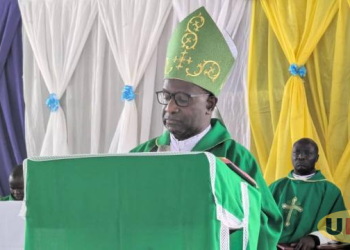
The commemoration brought together former abductees, community members and religious leaders for a candlelight vigil to remember those killed and abducted during the attack and to promote healing and reconciliation.
The attack, which occurred in 1994, saw at least 19 minor seminarians and two staff members abducted. Several vehicles were also set ablaze and cattle stolen from the seminary farm. For survivors, the anniversary offered an opportunity to revisit painful memories of the insurgency while highlighting the lasting psychological effects of abduction.
Dismas Balyamugheni, one of the returnees who was abducted as a young boy and later escaped, described his experience in captivity and the difficulties survivors continue to face. He said the violence left lasting psychological scars and stressed the importance of prayer and spiritual support in helping survivors cope with their experiences.Balyamugheni said the commemoration was a reminder of the violence and trauma inflicted on communities during the insurgency.

Other returnees, including Arija Mbambu and Agnes Mbambu, also shared their experiences of abduction, illness and psychological trauma. They said support from the Church and their families played an important role in helping them recover from the experiences they endured while in captivity.Agnes Mbambu, who was abducted together with her two children and lost one of them before escaping from her captors, appealed for greater psychosocial support for survivors and families affected by the insurgency.
She called for government and development partners to assist survivors who returned home as well as families who lost relatives during the ADF insurgency. The commemoration also featured the launch of a documentary depicting the Kiburara attack and its aftermath.
The documentary is intended to preserve the history of the attack, educate younger generations, and ensure that the experiences of victims and survivors are not forgotten. Moses Baluku, leader of the Foundation of Rwenzori Abductees and Returnees Organisation (FORARO), said peace, justice and reconciliation remain essential to rebuilding communities affected by the insurgency.
Religious leaders also called for renewed government intervention to address the unresolved needs of victims and their families. Fr Francis Kojjo Kule urged the government to investigate and locate the remains of people who were killed during the attack and other incidents linked to the insurgency.
He also called for compensation for affected families and rehabilitation programmes for survivors dealing with the long-term effects of abduction. The commemoration highlighted the resilience of survivors and the wider community while renewing calls for justice, healing and comprehensive support for people affected by the ADF insurgency-URN. Give us feedback on this story through our email: kamwokyatimes@gmail.com