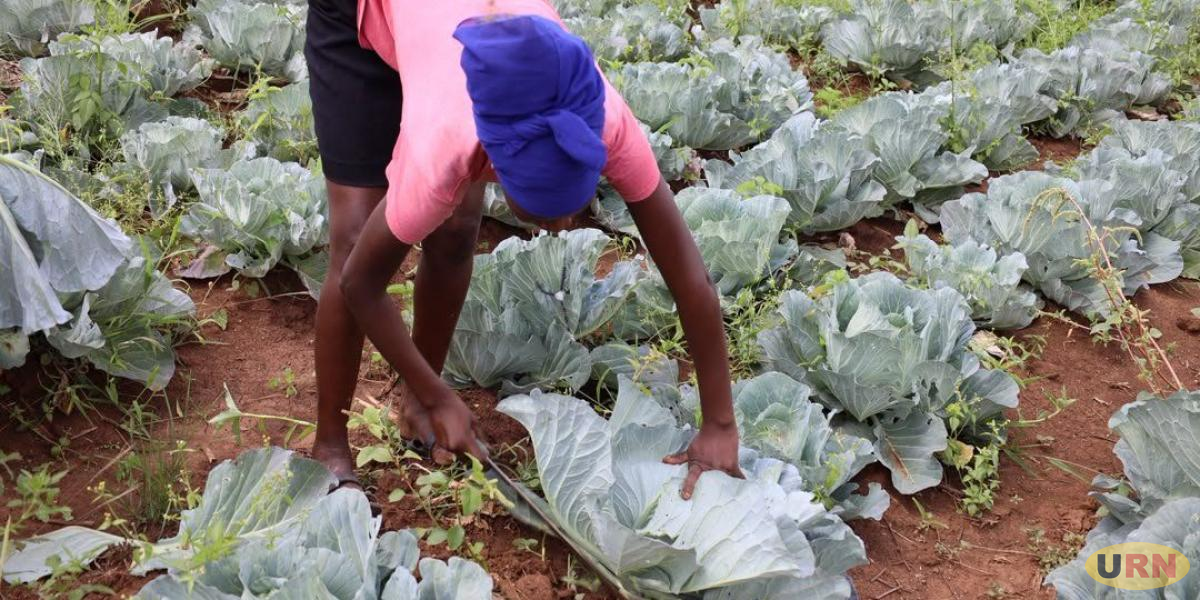
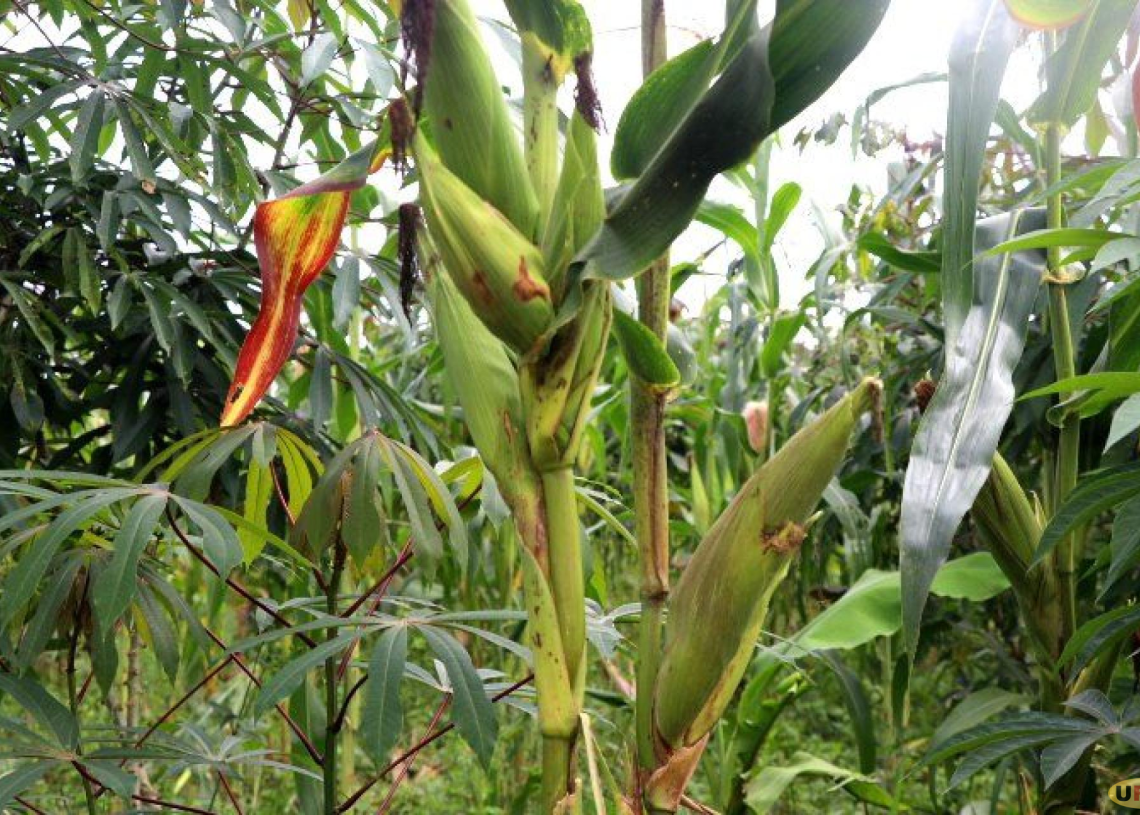
Ugandan farmers are facing high fertilizer costs as disruptions to international supplies linked to the Iran crisis raise concerns about the cost of agricultural production and the availability of farm inputs for coming planting seasons. A 50-kilogram bag of urea was selling at about 220,000 shillings on Uganda’s wholesale market in July, while diammonium phosphate (DAP) cost between 180,000 and 200,000 shillings.
NPK 17-17-17 was selling at about 140,000 shillings, according to Farmgain Africa’s July 2026 Market Outlook Report. The figures provide a baseline for assessing local costs, although prices vary by location, seller and reporting period.
The pressure on farmers comes as conflict involving Iran disrupts international trade in fertilizer and its raw materials, exposing agricultural producers in import-dependent countries to supply shortages and higher costs.

Speaking at a virtual policy seminar organised by the International Food Policy Research Institute (IFPRI) on Thursday, October 8, Joseph Glauber, a Research Fellow Emeritus at the institute, said the closure of the Strait of Hormuz had disrupted trade in energy and fertilizer products.
The seminar, titled Double exposure: How El Niño and the Iran crisis could reshape food security, examined how the conflict and the prospect of a strong El Niño could affect agricultural production, food prices and household food security.
Glauber said the disruptions were coming after several years in which international grain and oilseed prices had generally declined from the highs recorded in 2022. “That all changed this year, though, with following the conflict in the Persian Gulf and the closure of the Strait of Hormuz,” he said.
The strait is an important route for energy shipments and fertilizer trade. According to Glauber, nitrogen-based fertilizers account for a substantial share of seaborne trade passing through the region. Natural gas is also an important raw material for nitrogen fertilizer production, while sulfur is used in the production of phosphate fertilizers.
The World Trade Organization, in its July 10, 2026 data blog, Fertilizer trade impacted by Strait of Hormuz conflict, reported that shipments of urea and phosphate fertilizers had been severely disrupted by the conflict in the Persian Gulf.
The WTO said international urea prices rose from about 400 US dollars per metric tonne to more than 850 dollars in April, before falling to 453 dollars in June. DAP prices increased from approximately 580 dollars to 770 dollars per tonne over the same period.
The figures show that international fertilizer prices did not move uniformly. Urea prices eased after their April peak, while phosphate prices remained elevated. Glauber told the seminar that the effect on fertilizer markets had differed according to the product and the availability of alternative suppliers.
“For phosphates, it’s even more extreme,” he said, describing the reductions in production and exports by major producers. He explained that phosphate production had also been affected by difficulties obtaining sulfur from the Gulf. The resulting shortages had reduced supplies to international markets, while some major importing countries had cut their purchases.
The consequences extend beyond the Middle East. Countries that depend on imported fertilizer must compete for available supplies while contending with transport and energy costs. Uganda is exposed to these pressures because it imports much of the fertilizer used in commercial agriculture.
A June 12 analysis published by the Economic Policy Research Centre, titled How the US–Israel war with Iran impacts Uganda’s agriculture, cited World Integrated Trade Solution data showing that Uganda imported fertilizer worth approximately 54.75 million US dollars in 2024.
“The conflict has further created uncertainty around global oil production, shipping routes, and energy supply chains. Brent crude oil prices increased by more than 40%, rising from about USD 72 to over USD 106 per barrel,” said EPRC researcher Eric Mudoko. Nearly 40 per cent of those imports originated from the Middle East and Gulf region, according to the analysis.
“The government should expedite efforts to invest in domestic fertiliser production by strengthening existing factories in Tororo, particularly the Sukulu Phosphate Fertiliser Factory (Osukuru Industrial Complex) and the former Tororo Industrial Chemicals and Fertilisers (TICAF),” said EPRC. That dependence creates a potential route through which international supply disruptions can affect Uganda’s agricultural sector.
However, the extent to which the current crisis has increased the prices paid by Ugandan farmers needs to be established through updated import and domestic market data. Glauber said the initial effects had not yet translated into large increases across all grain markets.
He attributed some of the recent movements in grain prices to weather conditions and said the full effects of fertilizer disruptions on agricultural production were still uncertain. “The real concern will be coming into the end of this year and into next year, if the Strait of Hormuz is still closed,” he said.
He added that the disruption could become more serious if farmers faced shortages during the next planting seasons, when fertilizer availability can affect crop production. For Uganda, that timing matters. Farmers who cannot afford the quantities of fertilizer they need may reduce application rates or use alternative inputs.
Such decisions can affect yields, although the outcome varies by crop, soil conditions, rainfall and farming practices. Glauber cautioned against assuming that the current disruption would automatically trigger a food-price crisis on the scale of 2022.
“Stocks, at least held by commercial exporters and others, will be drawn down this year, there’s no question, but they’re coming off of a moderate level of stocks,” he said. He said the present situation was therefore different from the periods of severe price increases in 2007–2008 and 2010–2011, when global food markets faced tighter supplies.
That does not remove the risks for farmers. Even if international grain supplies remain adequate, high fertilizer and energy costs can reduce the returns farmers earn from their crops. Glauber said the prices recorded since January were still relatively low compared with some previous peaks after adjusting for inflation, but warned that the situation could deteriorate if successive crises continued to affect markets.
The prospect of El Niño adds another uncertainty. Glauber identified South and Southeast Asia as areas of particular concern, especially for rice production. The eventual effects will depend on the strength and duration of the weather event and the conditions experienced in individual farming regions.
For Uganda, the immediate question is whether fertilizer importers and dealers can maintain adequate supplies at prices farmers can afford. Updated wholesale and retail prices, import volumes and delivery schedules would help establish whether the international disruption is already feeding into the domestic market or poses a greater risk for the next agricultural season.
The challenge is not simply whether fertilizer prices rise further. It is whether farmers can obtain the inputs they need at the right time, without the cost undermining production and household incomes. With international fertilizer trade still exposed to geopolitical disruption, Uganda’s dependence on imported supplies leaves its farmers vulnerable to events far beyond the country’s borders-URN. Give us feedback on this story through our email: kamwokyatimes@gmail.com