A growing wave of violent crime in Kapchorwa Municipality is forcing residents to live in fear, with armed gangs increasingly targeting pedestrians, traders, and students during night hours. The attacks are reportedly carried out by groups operating in pairs, armed with machetes and pangas, who ambush victims along dark shortcuts, raid shops, and rob people returning home—particularly during heavy rains and electricity blackouts.
Among the recent victims is a nursing student attached to St. Peter’s School of Nursing and Midwifery, who was attacked by unknown assailants and left critically injured. The student is currently receiving treatment at Kapchorwa Main Hospital. The rising insecurity has sparked concern among residents, who accuse police of failing to maintain consistent night patrols despite the growing number of incidents.
Mary Chebet, a milk vendor, said attackers often hide along isolated footpaths and target women carrying money from evening business transactions. She recounted narrowly escaping an attack on Sunday night. “They displayed pangas and ordered me to surrender all the money and my phone. I had almost given them everything, but by God’s grace, some people passing by rescued me,” Chebet narrated.

Business owners say they are now forced to close earlier for safety. Constant Chemwamen, a trader in Kapchorwa Town, said most shops close as early as 6:30 p.m. to avoid being targeted on the way home. He added that criminals appear to monitor business routines and follow traders after closing hours, faulting security agencies for responding only after attacks have occurred.
“Police only become active after an incident has happened. Prevention is better than cure, but the patrols are inconsistent,” he said. Community leaders say the attacks are worsening during specific conditions. Ann Chelangat, the chairperson of Sosio Cell in Central Division, said gangs take advantage of heavy rains and power blackouts to strike.
“They are very active during rains and when power is off,” Chelangat said. She noted that criminals are shifting operations away from main roads now fitted with solar-powered street lights. In some areas, local leaders are linking the insecurity to social challenges.
Charles Mwanga, the LC1 Chairperson of London Bridge Cell, said the rise in crime is partly connected to increasing numbers of street children allegedly being used by gangs. He also claimed authorities have not done enough to address the issue. “Can you imagine they are now moving with wild dogs, and when you try to approach them, they release the stray dogs onto you,” Mwanga said.
Victims of the attacks say the situation has become unbearable. Marion Kusuro, a mobile money dealer in Kapchorwa Town, said she was robbed of one million shillings on Saturday evening while returning home from work. She said the attackers ambushed her in a dark section of the road, threatened her with machetes, and took both cash and her phone.
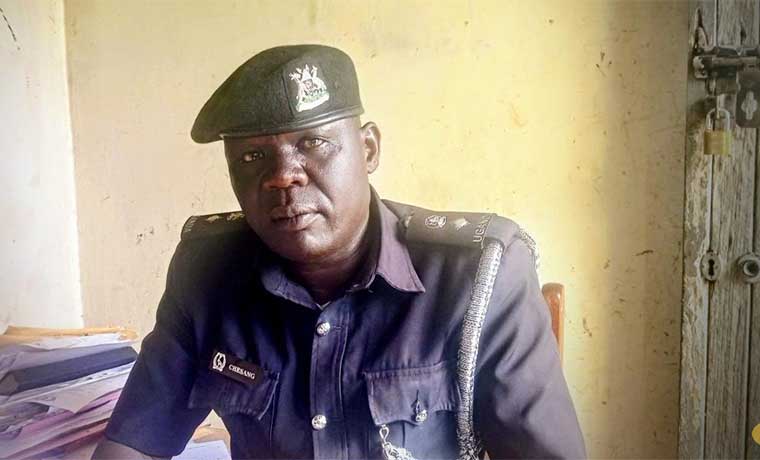
“We no longer feel safe even when moving short distances within town. The criminals are becoming bolder every day, yet security patrols are rarely seen,” Kusuro said. Police, however, say efforts are underway to address the situation. Fredmark Chesang, the Sipi Region Police spokesperson, acknowledged residents’ concerns but defended ongoing security operations, saying night patrols are active in the municipality.
He added that investigations would be conducted into claims of negligence and that officers found culpable would be held accountable. Chesang also urged residents to remain vigilant and support community policing efforts. “We are handling the situation, and several suspects have already been arrested and detained at different police stations, while others are serving sentences in prison,” he said-URN. Give us feedback on this story through our email: kamwokyatimes@gmail.com