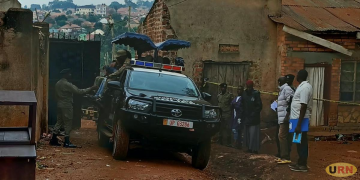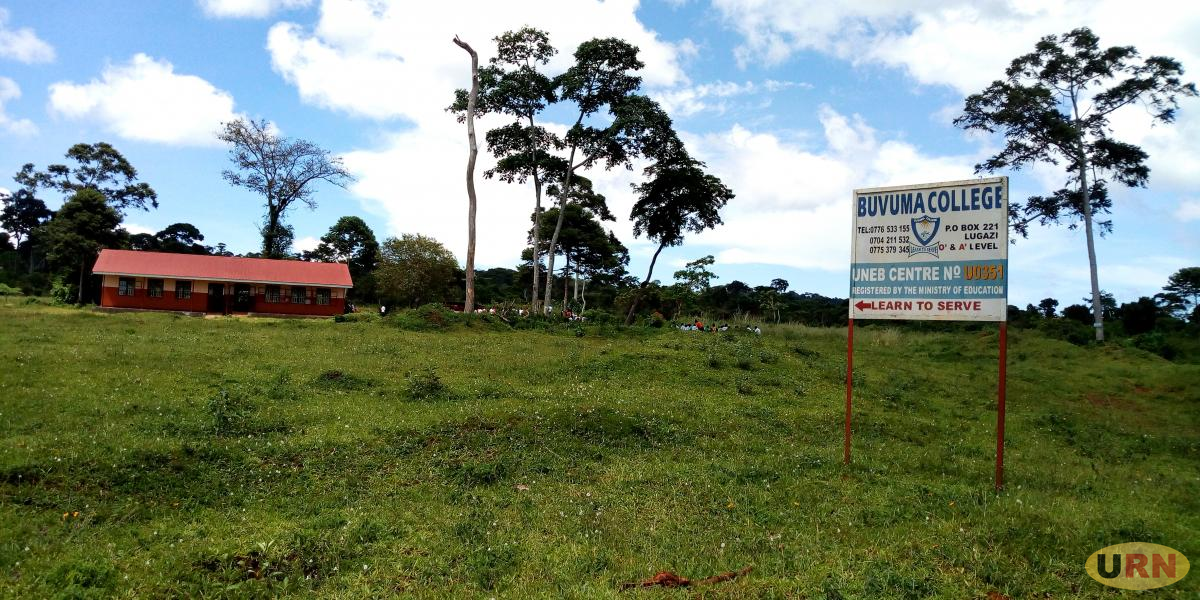
Three government-aided secondary schools in Buvuma Island District are moving to close their boarding sections after parents failed to pay agreed contributions, citing the Government’s position that education in public schools is free. Buvuma College, Nairambi Seed Secondary School and Bweema Seed Secondary School serve learners from the main island and the district’s surrounding islands on Lake Victoria.
In a joint letter to the Chief Administrative Officer, the headteachers said they took the decision “painfully” after parents insisted that no fees should be collected, citing statements by Local Government Minister Balaam Barugahare. “Many have refused to pay, insisting that the minister of local government declared thus. Some parents no longer believe even in what they had agreed to pay in the parents’ meeting… we cannot maintain the boarding section,” the letter reads in part.
Buvuma, an archipelago of 52 islands, is officially classified as a hard-to-reach district. Learners from distant islands must cross the lake by boat to get to school, while those on the main island may walk 20 to 25 kilometres through forests. Boarding sections were allowed to deal with these difficulties. Government, however, never built formal boarding facilities. The sections were set up with Parent-Teacher Association (PTA) funds and tolerated by the Ministry of Education because of the obvious need.

At Buvuma College, about 200 of the 370 students are boarders, many of them in candidate classes. At Nairambi Seed, 462 of the 807 students board. Robinah Nakakande, the headteacher of Buvuma College, said parents had earlier agreed to pay Shs300,000 per term for accommodation, meals and utilities. Day scholars paid Shs100,000 for lunch and to help pay teachers who are not on the government payroll.
“We had meetings as required by the ministry and reached a very fair figure, looking at the needs of learners at school, and the parents had agreed to it. But with the ongoing campaigns by Balaam, they have rejected paying,” she said.
Teachers face layoffs
With contributions now suspended to comply with free-education directives, Ms Nakakande said the schools are laying off PTA-paid staff. Buvuma College has 36 teachers, but only 26 are on the government payroll. The other 10 are paid by parents and teach critical subjects, especially sciences, where government staffing falls short. In some cases, one teacher covers Senior One to Senior Six.
“Since we are suspending payments, we will have no funds to pay them, so we are laying them off, but this also has implications as several subjects will remain without teachers,” she said. A proposed Shs20,000 per term contribution towards an ICT laboratory will also fall away, and the school will continue to improvise and hire equipment for examinations.
According to documents seen by our reporter, the schools have asked the district and the ministry to step in, especially for candidates who may struggle to find safe accommodation near school during exams and risk arriving late or missing papers altogether. The situation is not unique to Buvuma. Across the country, many public schools have laid off PTA-paid staff after parents stopped contributing following government messaging that education in government-aided schools must be free.
A headteacher in Kyenjojo recently told URN that his school would rely solely on government provision and wait for teachers to be posted where gaps exist. Uganda introduced Universal Primary Education (UPE) in 1997 and Universal Secondary Education (USE) in 2007 to remove tuition barriers and widen access. Capitation grants are paid to schools, but education stakeholders and several reports have consistently found them inadequate given rising costs, inflation, and staffing needs.
Schools have long leaned on PTA contributions for extra teachers, meals, infrastructure and utilities. The Education Act permits this as long as the contributions are voluntary and no child is denied access for failing to pay. In recent years, President Yoweri Museveni and government officials have repeatedly insisted that UPE and USE schools must operate without fees, with day schooling as the foundation.
Boarding in USE schools has come under particular scrutiny, with directives warning that it should not become compulsory or a way of charging fees that undermine free education. Hard-to-reach areas were given some flexibility, but funding and infrastructure gaps remain. In Buvuma, district leaders have stepped in, arguing that sending children home is not practical given the geography.
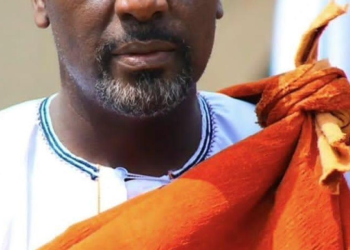
Robert Migadde, the area MP and Minister for Fisheries, said the matter should be settled with parents rather than by sending learners away, since the schools draw students from across the islands and boarding remains essential. “Even when commuting from home would be the best option, the island environment, with people living in camps, doesn’t favour students’ learning… girls could be taken up by men for marriage, while boys could just join illegal fishing,” he said.
District Chairperson Mitia Nixon Ocheng, District Education Officer Hussein Bugembe and Woman MP Judith Nagujja have also raised concern about the dangers of learners crossing the lake every day. They also reminded the public of a promise made during the 2026 presidential campaign, when President Museveni said government would establish at least two boarding secondary schools on the Buvuma islands to support children from fishing communities. That pledge has not yet been fulfilled.
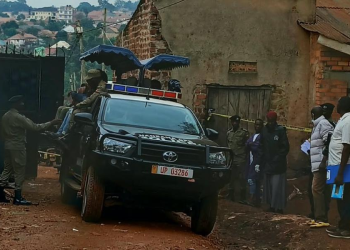
The leaders have held meetings at the schools to try to stop the headteachers from closing the boarding sections, but without clear policy direction, the headteachers have not changed their position. Our reporter has reliably learnt that school and district education authorities are now planning a meeting with parents to discuss the contributions and seek a consensus.
The island setting makes matters worse. The district has long suffered shortages of classrooms, teacher housing, safe water, electricity and staff. Enrolment has grown considerably at the newer seed schools, yet facilities have lagged. Buvuma only presented its first UACE candidates in 2019, despite having existed as a district for years.