The Ministry of Health has urged residents of Bunyoro Sub-region, particularly communities living along the shores of Lake Albert and the border with the Democratic Republic of Congo (DRC), to remain vigilant against Ebola despite Uganda being declared free of the disease.
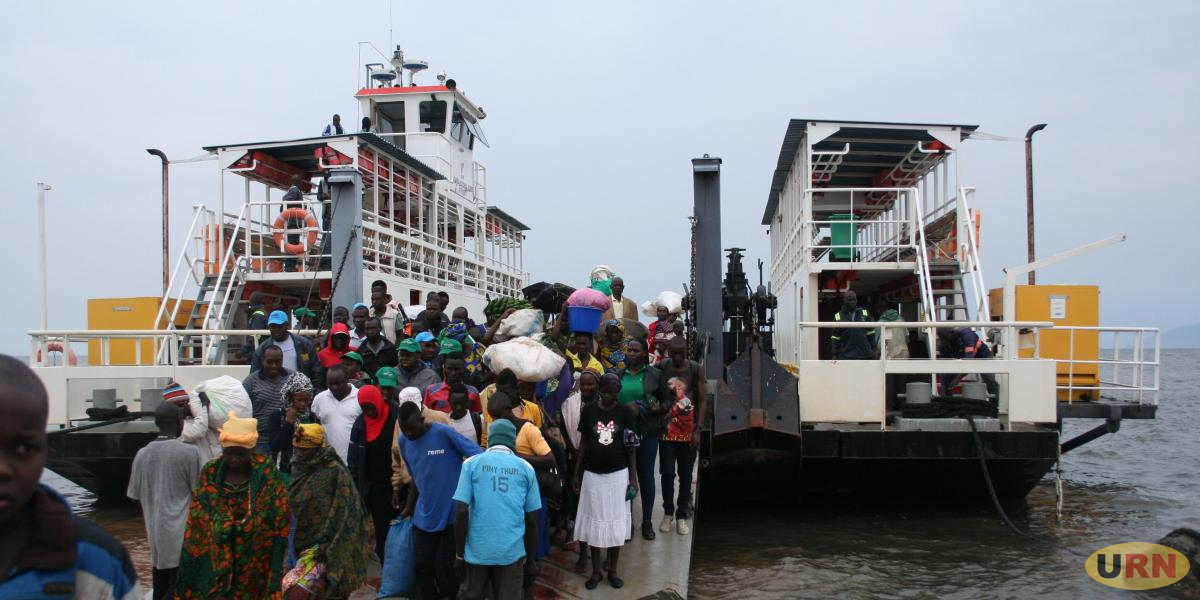
Health officials say the sub-region remains vulnerable because of its proximity to eastern DRC, where Ebola transmission continues to pose a public health threat.
Frequent cross-border movement for trade, fishing and family ties increases the risk of importing new cases if surveillance and preventive measures are relaxed.

Emmanuel Ainebyoona, the Ministry of Health’s Senior Communications Officer, told Uganda Radio Network (URN) that residents should continue observing all Ebola prevention measures issued by the ministry.
“Although Uganda has been declared Ebola-free, people should not become complacent. We must continue to observe the guidelines put in place to prevent another outbreak,” Ainebyoona said.
He said measures introduced during the outbreak, including heightened surveillance along border areas and restrictions on unauthorised cross-border movement, remain in force as the Ministry of Health and the National Ebola Taskforce continue to monitor the situation.
Ainebyoona appealed to community leaders and residents, especially those living along the shores of Lake Albert, to immediately report anyone showing symptoms consistent with Ebola to the nearest health facility.
Cue out: “…nearest health facility.”//He also called on health workers and local leaders to strengthen community surveillance to ensure any suspected cases are detected and investigated quickly.
Residents were urged to report illegal entrants from the DRC to both health authorities and security agencies, saying awareness campaigns and community engagement would continue in border districts.
Ainebyoona said surveillance, screening and public sensitisation remain active in districts bordering the DRC, while security has been reinforced at border points and along major travel routes.
Uganda was officially declared Ebola-free on July 28, 2026, after completing the mandatory 42-day countdown without recording a new case following the discharge of the last confirmed patient on June 16.The outbreak was declared on May 15 after infected individuals crossed into Uganda from the Democratic Republic of Congo.
According to the Ministry of Health, it was the country’s first Ebola outbreak linked to a fully documented importation event, allowing health authorities to identify the source of infection, trace transmission chains and monitor all contacts.
A total of 20 people were infected, including 15 Congolese nationals, four Ugandan health workers who contracted the virus while caring for patients, and one driver.
Eighteen patients recovered, while two died.The outbreak was caused by the Bundibugyo ebolavirus, the same strain first identified in western Uganda in 2007.
Unlike the Zaire strain, there is currently no licensed vaccine or specific treatment for Bundibugyo ebolavirus, making early detection, isolation, contact tracing and infection prevention measures essential to controlling its spread.
The Ministry of Health credited the successful containment of the outbreak to rapid laboratory testing, genome sequencing, digital contact tracing, strengthened disease surveillance and coordinated efforts by health workers, local leaders, security agencies, development partners and communities.
Ebola Virus Disease is a severe illness spread through direct contact with the bodily fluids of an infected person or contaminated materials. Symptoms include fever, weakness, headache, muscle pain and sore throat, which may progress to vomiting, diarrhoea, abdominal pain and, in some cases, unexplained bleeding.
The incubation period ranges from two to 21 days, and early medical care significantly improves a patient’s chances of survival-URN. Give us feedback on this story through our email: kamwokyatimes@gmail.com