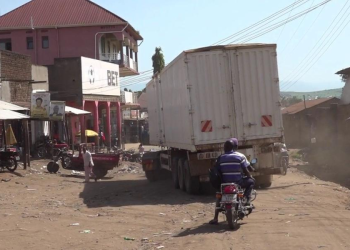
The temporary closure of the Uganda–Democratic Republic of Congo border in Kisoro District due to the latest Ebola outbreak has greatly affected cross-border businesses. On Wednesday, May 27, 2026, the Ugandan government temporarily closed its border with the DRC following what authorities described as a continued escalation of the Ebola virus in Eastern DR Congo.
The decision by the National Task Force on Ebola Response, Chaired by Vice President Jessica Alupo, has negatively affected traders in Uganda and the DRC. At the Bunagana border, security has been heightened to stop both Ugandans and Congolese nationals from crossing to either side of the border.
Traders and residents are complying with the directives and Standard Operating Procedures (SOPs), despite concerns that businesses are heading into crisis.

Valence Sunday, a restaurant operator at the border, says he and other hoteliers are ensuring proper hygiene and sanitation while serving truck drivers who are still allowed to cross. He says drivers are first subjected to hand washing and social distancing as preventive measures aimed at reducing contact.
Sifa Kyimpaye, who sells chips at the border, says she is also observing health guidelines, but her biggest concern is the drastic reduction in the number of customers, most of whom were Congolese nationals. She says the decline in business has made it difficult for her to earn enough income to support her family.
Kyimpaye says in such difficult circumstances, the government and humanitarian organisations should support border residents with food and other necessities because businesses are likely to collapse.
Deo Barigonza, an electronics shop operator, says businesses have been heavily affected by the strict restrictions limiting Congolese nationals from freely entering Uganda due to the Ebola outbreak.
Barigonza suggests that Congolese residents should still be allowed to cross into Uganda under strict enforcement of the SOPs.
He says this would help businesses remain operational and reduce the financial burden on traders who are already struggling to pay rent and taxes following the prolonged closure of the border by Congolese authorities after the March 23 Movement (M23) rebels captured parts of eastern DR Congo in 2022.
Damaseni Manirakiza, a resident of Bunagana border town, says many businesses have already started collapsing due to the restrictions. He says if the border closure continues for a long period, traders and residents will struggle to raise school fees for their children and meet daily living expenses.
Manirakiza also suggests that preventive measures and SOPs should instead be strengthened without fully closing the border.
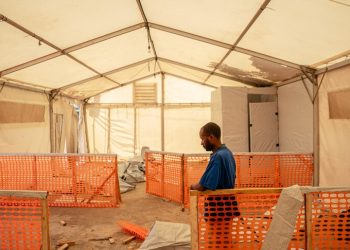
However, Ismail Ndayambaje, the LCIII Chairperson of Bunagana Town Council, defends the border closure, saying it will help health authorities prevent the spread of the disease, which has already killed several people in DR Congo and has also been confirmed in Uganda.
Ndayambaje urges residents and the business community to strictly follow SOPs, install hand-washing facilities at homes and business premises, and avoid crossing into the DRC through porous border points.
According to Ndayambaje, health and security officials have already suspended weekly markets in the area after hundreds of Congolese nationals reportedly entered Uganda through porous border points earlier this week to buy goods.
Meanwhile, Kisoro Deputy Resident District Commissioner Dan Ndikumwami warned that anyone who defies the border closure directives will be arrested and charged accordingly-URN. Give us feedback on this story through our email: kamwokyatimes@gmail.com