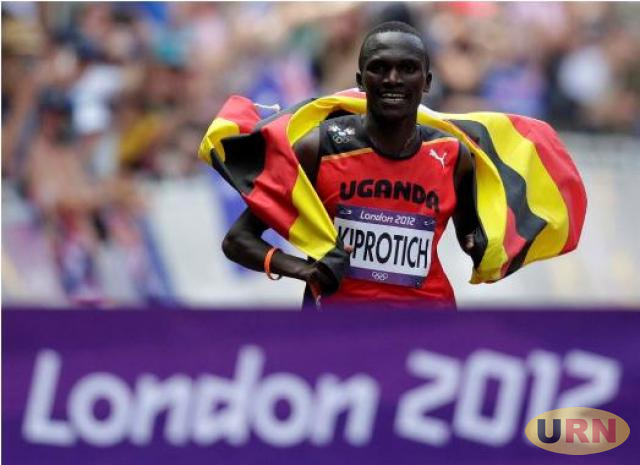
For many athletes, crossing the finish line marks the pinnacle of achievement. For Uganda’s Olympic and World Marathon champion Stephen Kiprotich, however, the greater challenge begins after the medals have been won and the cheering crowds have gone silent.
In an exclusive interview with Uganda Radio Network (URN) in Kapchorwa, the celebrated athlete urged sportsmen and women to embrace savings and investment, warning that athletic careers are short and require deliberate planning for life after retirement.
“Running will one day come to an end,” Kiprotich told URN. “Athletes must prepare for that reality by saving and investing while they are still active. The future depends on the decisions they make today.”

The message comes as Uganda continues to enjoy growing success in international athletics, with athletes earning prize money, sponsorship deals, and performance bonuses from competitions around the world. Yet despite the opportunities, concerns remain over the welfare of retired athletes who struggle financially after their sporting careers end.
Kiprotich, who won Uganda’s first Olympic gold medal in four decades at the London 2012 Olympics before adding a World Championship title in 2013, says many athletes fail to use their earnings to create sustainable sources of income.
He says athletes should view their sporting careers as a platform for building long-term financial security rather than an opportunity for temporary luxury.
“They can invest in farming, businesses, real estate, and other ventures that generate income every day. Competitions come once in a while, but investments can continue supporting an athlete and his family for many years,” he said.
Kiprotich revealed that he has officially retired from competitive running and now focuses much of his time on farming, an enterprise he established while still competing internationally.
“I now depend on farming. It helps me pay school fees and meet family needs, which is why I encourage athletes to think beyond sports because no one runs forever,” he said.
His concerns are informed by experiences within the sporting community, where several former athletes have reportedly fallen into financial hardship after retirement.
“It is no longer a secret. We have seen colleagues spend money on things that do not help secure their future. Some end up living miserable lives and even begging for support. That is not the legacy athletes should leave behind,” Kiprotich added.
As a member of the National Council of Sports, Kiprotich believes financial literacy should be integrated into athlete development programs to help sportsmen and women make informed decisions about their earnings.
Sports experts argue that retirement planning remains one of the most overlooked aspects of athletic development despite the relatively short lifespan of professional sporting careers. Injuries, age, and declining performance can abruptly end an athlete’s earning potential, making alternative sources of income essential.
Beatrice Ayikoru, the Secretary General of the Uganda Athletics (UA), echoed Kiprotich’s message and called on athletes, especially women, to take advantage of opportunities available during their active careers.
“Investment has no gender. Female athletes should use their earnings wisely and establish businesses and other income-generating ventures that can support them after retirement,” Ayikoru said.
She noted that while athletes often focus on immediate financial needs, they must also think about their long-term welfare and that of their families.
Ayikoru emphasized that retirement planning should begin early, arguing that the quality of life athletes enjoy after retirement is largely determined by the choices they make during their active years.
Adding a civil society perspective to the debate, Festo Majinjach, the General Secretary of the Sebei Transformation Initiative, said many athletes require deliberate financial literacy support because some may not have had the opportunity to acquire advanced education.
Majinjach too says sports stakeholders should training athletes in financial management, entrepreneurship, and investment to ensure they maximize the benefits of their careers.
He argued that without proper guidance, some athletes become vulnerable to poor financial decisions and lifestyles that undermine their future.
“Many athletes need financial literacy because some of them did not have the opportunity to acquire higher education where they would learn some of these basic financial management skills” Said Majinjach.He adds: “Stakeholders should intentionally guide them on savings and investment. We have seen some sportsmen become consumed by pride and end up overspending on alcohol, engaging in sexual indiscipline, and other lifestyles that drain the resources they worked so hard to earn”.
As Uganda continues to produce world-class athletes who compete and excel on the global stage, calls for financial discipline and retirement planning become also urgent. For Kiprotich, whose life has transitioned from international competition to farming and community service, the message is straightforward: sporting glory is temporary, but wise investments can provide security for a lifetime.
And as another generation of Ugandan athletes rises to international prominence, the Olympic champion hopes they will remember that the most important race may not be the one on the track but the one they run after crossing the finish line-URN. Give us feedback on this story through our email: kamwokyatimes@gmail.com