By KT Reporter
The Benet Indigenous Community in the Sebei sub-region has appealed to government and humanitarian agencies to urgently respond to the worsening maternal health crisis in remote and hard-to-reach areas.
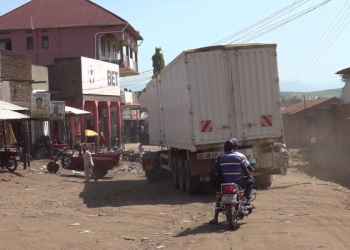
Expectant and lactating mothers in the mountainous districts of Kween, Bukwo, and Kapchorwa say they continue to face life-threatening risks due to the absence of accessible emergency care. Poor road networks, long distances to health facilities, and a lack of ambulance services are forcing many women to deliver without medical support.

“We are suffering silently. Our women walk more than 15 kilometres to reach the nearest health centre. Some don’t make it,” said Margaret Chemutai, a displaced mother from the Kisangani temporary resettlement area in Kween.
The nearest major facility, Kaproron Health Centre IV in Kween, is overstretched, with limited staff and space to handle emergencies. Residents say this has left many women vulnerable to preventable deaths during childbirth.
Community leaders accuse the government of neglecting their repeated appeals. David Mande, the coordinator of the Benet Lobby Group, said officials only engage the community during election campaigns. “The authorities are aware, but have taken it lightly. Politicians come here during campaigns and use our suffering to win votes, then disappear,” Mande noted.
Moses Kiptala, a local opinion leader, urged the government to formally recognise the Benet people as Ugandan citizens entitled to basic services. “We ask the Office of the Prime Minister to listen to our cries. Our people deserve healthcare, just like all Ugandans,” he said.
Local leaders echoed the same concerns. Denis Chelangat, the NRM chairperson for Kaseko Sub-county, warned that the lack of infrastructure in displaced areas has made emergencies even more dangerous.
“When it rains, people are trapped indoors, the roads are impassable, and there is no phone network. This becomes a life-threatening situation,” Chelangat explained.
The Sebei sub-region, which borders Kenya, is home to thousands of people displaced by evictions from Mt. Elgon National Park. Many families remain in temporary resettlements with little or no access to healthcare, education, or clean water.
Now, the community is calling for a multi-sectoral government response to the maternal health crisis. Their key demands include the deployment of mobile clinics to serve isolated villages, the rehabilitation of rural roads for easier access to hospitals, and the recruitment and posting of skilled maternal health personnel to health centres.
Uganda continues to grapple with a high maternal mortality rate, particularly in rural areas, where limited access to healthcare puts mothers and newborns at greater risk
-URN. Give us feedback on this story through our email: kamwokyatimes@gmail.com