By KT Reporter
Clan chiefs in Acholi struggle to perform their roles in the communities due to a lack of financial resources.
In the past, parishes took turns to take foodstuffs and livestock to chiefs, to help them feed their families, visitors, and vulnerable groups such as orphans.

James Okot Ojwiya, a mediator at Acholi Cultural Institution, told Uganda Radio Network that in the past, each chief had at least three granaries at their palace, filled with various foodstuffs farmed or given by their subjects.
The role of the chiefs was to act as regulators, mediators, and spiritual leaders. However, Ojwiya said that during the Lord’s Resistance Army, LRA, war, subjects stopped taking care of chiefs, because they were also struggling to survive.
“Subjects couldn’t go to work for their chiefs when they looking for their safety. How could they give food to their chiefs when they are also relying on food aid?” Ojwiya asked.
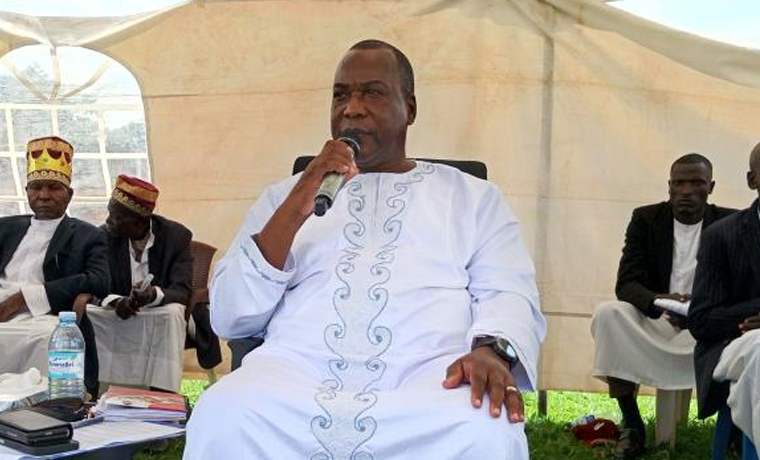
Rwot David Onen Acana II, the paramount chief of Acholi Cultural Institution, said the limited financial and material resources hinder attempts by chiefs to solve the numerous domestic violence, land wrangles, and deforestation plaguing the sub-region.
Rwot Acana explained that because the problems are only partially solved, they continue recurring and hindering development in the sub-region. “We know that a problem partially solved is like a tree or weed not fully uprooted. After some time, it sprouts again and starts causing problems,” Rwot Acana said.
Geoffrey Okumu, a resident of Tegwana parish in Gulu City, noted that the attention paid to chiefs has shifted to politics, and some younger generation do not even know their clan chiefs.
“It is only during the crisis that someone remembers that tradition might have a solution. Cultural enthusiasts and elders are struggling to explain why these thrones should be occupied, and why ancestral wisdom should be tapped,” Okumu said.
Okumu added that chiefs lived in decent houses and dressed decently, but now their huts gather dust, and attract termites and bats.
“The compounds of chiefs have become museums of forgotten symbols. There is no budget to maintain the roof over their heads. In the past, the presence of a chief commanded respect, but now it draws pity,” he said.
However, Betty Aol Ocan, the woman Member of Parliament for Gulu City, noted that many in Acholi devotedly offer 10 percent of their earnings to the church, and forget their native and traditional responsibility of taking care of their chiefs.
Aol argued that if subjects devotedly supported their chiefs the same way they give offerings to their churches, there would be no street-connected children, commonly known as “Aguu”, because the chiefs would use some of their donations to cater for the children like in the past.
She stressed that as Acholi strives to rebuild the sub-region after years of conflict through the recent initiative dubbed the Acholi Revival Movement, they should do it wholesomely, taking into account the need to care for the chiefs-URN. Give us feedback on this story through our email: kamwokyatimes@gmail.com