The African Agribusiness Incubators Network (AAIN) is targeting to help 1,500 young women in the Karamoja sub-region transition into dignified work through a five-year employment programme that combines business incubation, retraining and start-up capital.
The initiative targets young women aged 15 to 35 who already possess vocational skills and have started small businesses but are struggling to expand because of limited capital and other business constraints. Under the Sustainable Inclusive Youth Employment Pathways Programme (SIYEP), beneficiaries are retrained, linked to business incubation services and supported with start-up capital to grow their enterprises.
Enock Ampumuza, AAIN’s Assistant Project Coordinator and Business Incubation Manager, said the organisation is responsible for supporting 25,000 young women nationally as part of a consortium targeting 258,000 beneficiaries across Uganda by 2030. He said seven per cent of the support is reserved for refugees, while five per cent targets young women living with disabilities.

“We have already profiled 20,000 and 6,750 have already started skilling. We expect all 25,000 to be profiled by the end of November,” Ampumuza said. In Karamoja, the programme is being implemented through Matany Girls Vocational Institute, Nakapiripirit Technical Institute and Kara-Tunga Arts and Crafts.
Ampumuza said AAIN works with 68 incubators, accelerators and enterprise organisations across eastern, western, northern, West Nile and central Uganda, alongside government agencies including the Uganda Registration Services Bureau (URSB), Uganda National Bureau of Standards (UNBS), the National Agricultural Research Organisation (NARO) and the Presidential Industrial Hub.
Private sector partners include KCB Bank, the National Organic Agricultural Movement of Uganda (NOGAMU), the Private Sector Foundation Uganda (PSFU) and PUM. He revealed that two graduates from Matany Girls Vocational Institute had already received Shs400,000 each to expand their businesses.
Florence Naduk, the Director of Matany Girls Vocational Institute, said the institution had already profiled more than 250 former students as implementation gets underway. She said tracing at least 500 graduates had proved difficult because many had returned to their villages without access to mobile phones.
Naduk noted that although many graduates possess employable skills, most struggle to establish businesses because of limited access to capital. She also expressed concern that some beneficiaries who had previously received start-up kits sold them or failed to use them productively. “The coming of the SIYEP Project will help us go a long way and register more success stories,” Naduk said.She added that two graduates in hairdressing and hospitality had already received Shs400,000 each to strengthen businesses they had started independently.
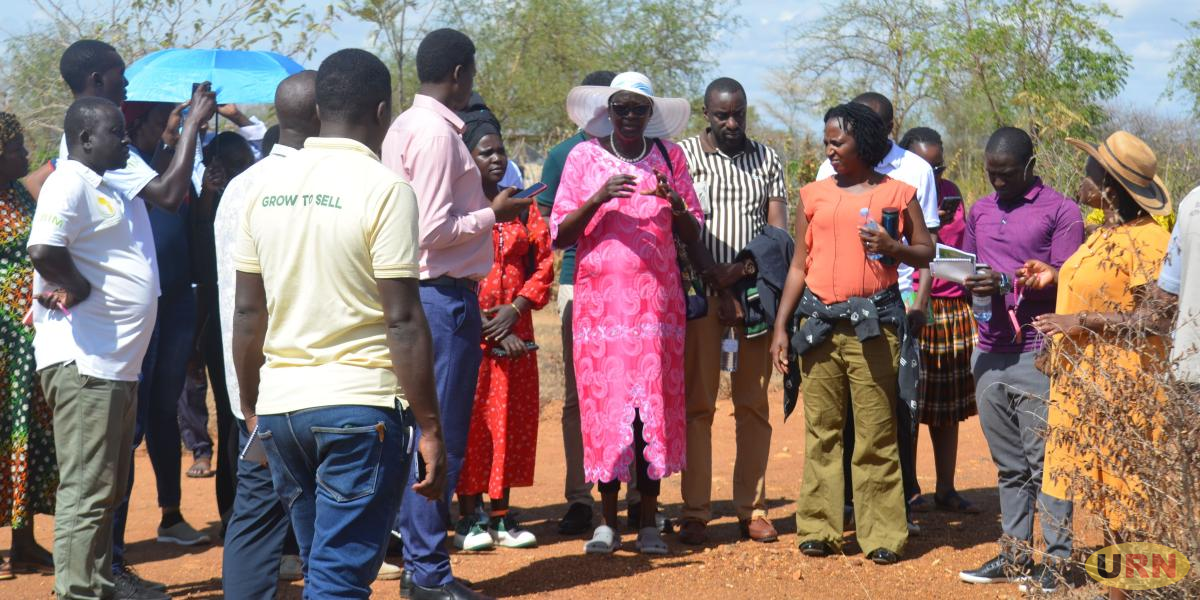
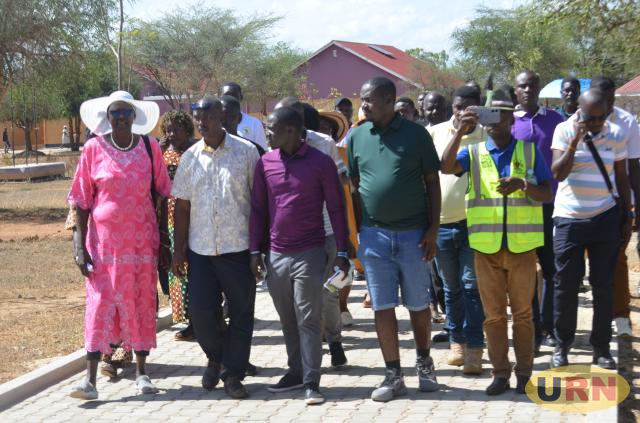
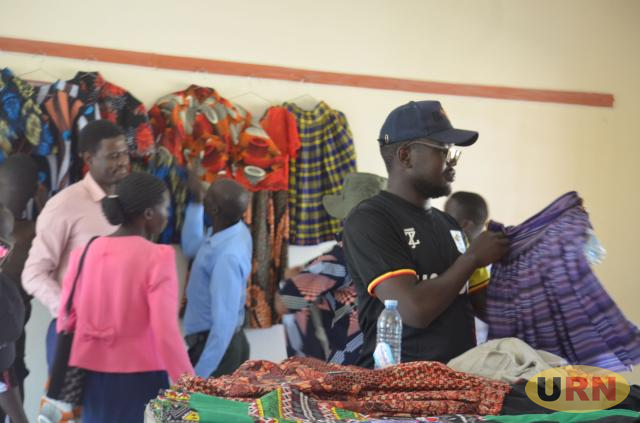
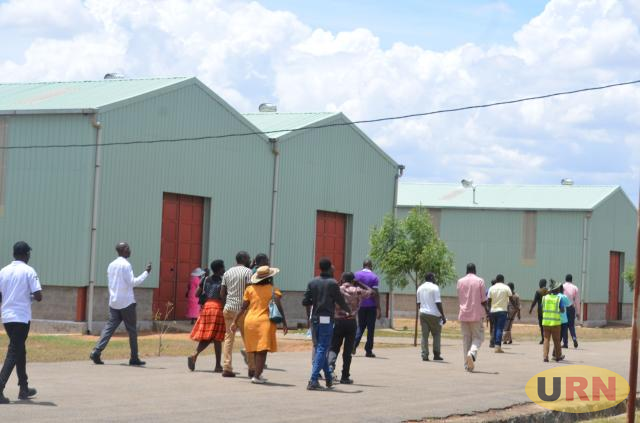
The programme was among the issues discussed during a two-day coordination meeting held at Matany Girls Vocational Institute in Napak, where incubators and private sector actors explored opportunities for supporting young entrepreneurs. Participants also toured the Karamoja Presidential Skilling Hub, NARO facilities and Kara-Tunga Arts and Crafts.
Napak Assistant Resident District Commissioner Florence Acuma said the Presidential Skilling Hub has admitted six cohorts of 240 learners every six months. She said many graduates had ventured into tailoring, hairdressing and bakery businesses but continued to face challenges raising capital.
Acuma revealed that President Yoweri Museveni had provided Shs50 million in seed capital for each district to support graduates from the skilling hubs.She said applications had opened to enable graduates to access the funds and start businesses instead of waiting for formal employment.
Michael Bazira, Director of Prime Vocational Institute in Iganga District, said his visit to Karamoja had demonstrated the region’s growing opportunities in industry, hospitality and tourism for skilled young people. He said his institution had adopted outreach training programmes to reach young mothers who struggle to attend classes because of childcare responsibilities.
Bazira said allowing pregnant women and young mothers to learn in flexible environments had increased participation and business creation among graduates supported under SIYEP. Everline Stella Amongi, Managing Director of Oget Integrated Farm in Otuke District, said her organisation was currently training 425 young women in poultry, piggery, goat rearing, bakery, tailoring and hairdressing.
She said SIYEP had strengthened both the institution and its trainees, including helping businesses register formally with URSB. Amongi said the farm plans to acquire a hatchery machine so graduates can leave with chicks to establish poultry enterprises.
SIYEP is funded by the Mastercard Foundation through the Agency for Accelerated Regional Development (AFARD), which leads a consortium of seven implementing partners working across five regions of Uganda-URN. Give us feedback on this story through our email: kamwokyatimes@gmail.com