By KT Reporter
Suspects arrested over the violent incidents that rocked Gulu City during the recent visit of National Unity Platform (NUP) presidential candidate Robert Kyagulanyi Sentamu have been charged with offences different from those initially announced by police.
On December 18, police announced the arrest of 41 suspects, mostly youths, accused of taking part in acts of criminality, including assaults and looting of civilians’ property in Gulu City Centre.

The violence occurred on December 6, 2025, when Kyagulanyi was in the city to campaign. At the time, police said the suspects had been arrested through CCTV footage analysis and other intelligence-led operations. Among those arrested was 28-year-old Hali Fatuma, commonly known as Aleng, whom police alleged had mobilised suspected criminal gangs using various media platforms, including TikTok.
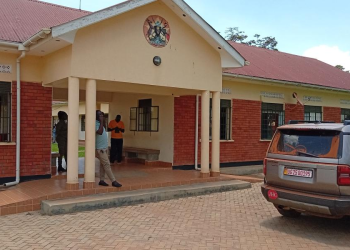
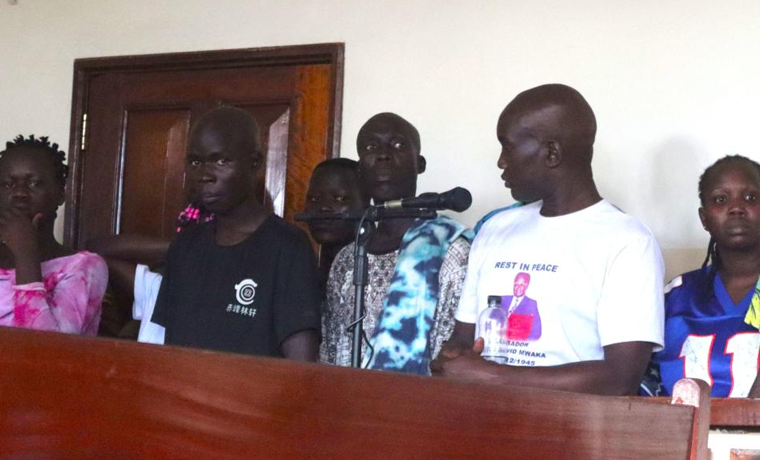
However, when the case came before the Gulu Chief Magistrate’s Court on Monday, only 23 suspects appeared in the dock for plea taking before Chief Magistrate Augustine Alule Koma.
Instead of facing charges directly linked to the December 6 violence, the accused were charged with common nuisance, contrary to Section 148 (1) of the Penal Code Act.
The offences are alleged to have been committed on December 18, 2025. According to the charge sheet presented by Detective Assistant Superintendent of Police (ASP) James Waigo of Gulu Central Police Station, the suspects are accused of causing annoyance, obstruction, or inconvenience to the public in the exercise of common rights on December 18, 2025, around Buganda Pub in Gulu City.
Charge sheets seen by Uganda Radio Network do not refer to the chaos that occurred during Kyagulanyi’s campaign visit on December 6, contrary to earlier police statements.
Legal experts note that under Ugandan law, it is not uncommon for charges to change between arrest and arraignment in court. Police are empowered to arrest suspects on suspicion while investigations are ongoing, but the final charges must be based on evidence that meets the legal threshold for prosecution.
Under the Criminal Procedure Code Act, prosecutors may prefer lesser or different charges if available evidence cannot sufficiently support more serious offences such as assault, rioting, or theft.
In some cases, prosecutors also choose charges that relate to specific dates, locations, or conduct that can be more easily proved in court.
The decision on what charges to prosecute ultimately rests with the Directorate of Public Prosecutions (DPP), which may amend, substitute, or withdraw charges before or during trial if new evidence emerges or if the initial allegations cannot be sustained. During the plea-taking session, 21 suspects, including the alleged ringleader Fatuma Aleng, denied the charges.
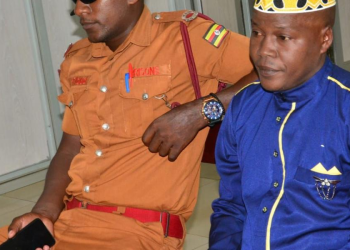
Two suspects — Reagan Lumumba and David Ocaya — pleaded guilty. The court did not consider bail applications after the state attorney failed to appear.
Chief Magistrate Alule remanded the suspects to Gulu Main Prison and adjourned the matter to Tuesday for bail applications and the reading of brief facts to the suspects, who pleaded guilty.
While remanding them, Magistrate Alule reminded the accused that bail is a constitutional right and advised them to alert their sureties to be ready, noting that the court will soon break for the Christmas recess.
The violence that erupted in Gulu City during Kyagulanyi’s campaign visit sparked widespread condemnation across the Acholi sub-region. Religious leaders, cultural elders, and civil society actors described the incidents as a setback to the region’s stability after years of conflict.
In a Christmas message delivered last Wednesday, the Archbishop of Gulu Archdiocese, Raphael Wokorach, condemned the violence and urged political actors and security agencies to uphold peace.
-URN. Give us feedback on this story through our email: kamwokyatimes@gmail.com