By KT Reporter
The Kampala Capital City Authority (KCCA) has officially begun implementing the devolution of power, a policy that has existed on paper for the past 15 years. Since 2011, KCCA divisions have been advocating for devolution to manage their own expenditures and accelerate service delivery.
When Sharifah Buzeki assumed office as KCCA Executive Director, she was tasked by the Authority Council with turning the policy into action. Speaking at the official launch, Buzeki emphasized that the devolution of power is not a new idea but one long delayed. She explained that Division Executive Committees are now mandated to present their annual budgets to the Authority Council.

This process was undertaken in the current budget cycle, even though it did not fully follow proper budget guidelines. Nevertheless, all division budgets were passed to allow work to commence. Buzeki added that in the upcoming financial year, starting with the September budgeting cycle, all KCCA divisions will conduct bottom-up planning, with information flowing from divisions to the Authority for consolidation once each division agrees on its priorities. She cautioned Division Town Clerks, who serve as heads of public officers and accounting officers, to perform their duties diligently to avoid mismanagement of funds.
Buzeki also noted that every item earmarked for devolution under Vote One has been included in the budget, and relevant details, including budget lines, will be handed over to the Division Town Clerks. The KCCA Act further mandates that Division Councils devolve certain functions to Village Councils and demonstrate compliance. Kampala City Lord Mayor Erias Lukwago thanked Executive Director Buzeki for her commitment to implementing devolution after 15 years and urged urgent action to fast-track the process.
He highlighted that under the previous governance structure, divisions managed six votes, but under the current framework, devolution has been implemented under a single vote, allowing urban councils to manage administrative funds while leaving out budgets for major projects such as road construction.
Recalling past challenges, Lukwago said that Division Urban Councils, when self-accounting, collected taxes and wired them to the Authority, only to receive 50 percent back. By 2011, there were 57 known collection accounts, leaving many others unknown but operational. He warned Division Town Clerks against abusing devolved powers, saying such misconduct would justify the removal of these powers.
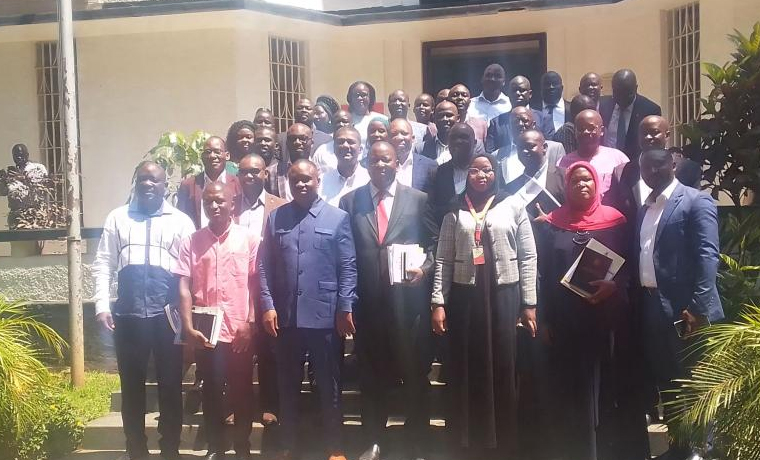
The function was attended by all division mayors, town clerks, and other accounting officers, who witnessed the historic step toward actualizing devolution in Kampala.
-URN. Give us feedback on this story through our email: kamwokyatimes@gmail.com