By KT Reporter
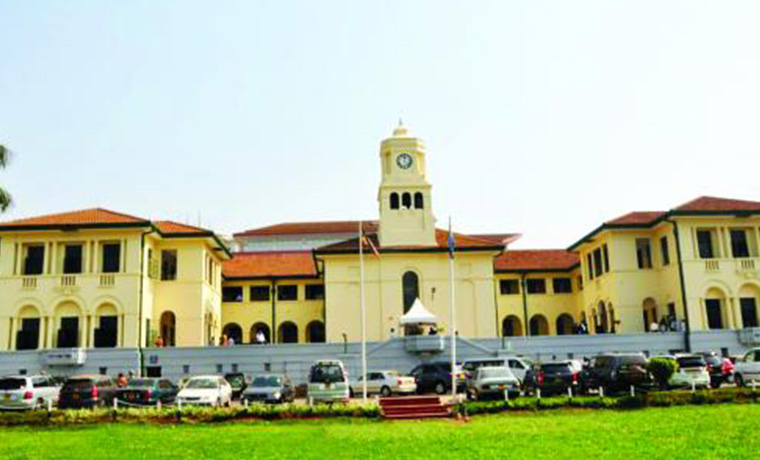
The Constitutional Court has found that Section 10(5C) of the Land Acquisition Act 1965 is unconstitutional as it allows the compulsory acquisition of private property for as long government has deposited the assessed compensation in court.
In a unanimous decision, the Constitutional court found that the provision of the Land Acquisition Act contradicts Article 26 of the 1995 constitution, which dictates that before any compulsory acquisition is undertaken, there must be fair, adequate and prior compensation of the owners. “The act of taking possession would be defeating the purpose of referring the dispute to a court for a decision on the adequate and fair compensation envisaged in Article 26 (21 (b) (i) of the Constitution which provides for access to court for any person being deprived of land under the compulsory acquisition scheme. The taking of possession before the matter referred to court by the Attorney General is determined would further contravene the right to access to a court of law by the project affected person which is stipulated by Article 26 (2) (b) (ii) of the Constitution,” Justice Moses Kazibwe Kawumi wrote in the lead judgement.

The ruling arose from a petition filed by one Omara Daniel and two other organizations: Advocates for Natural Resources and Development and Resource Rights Africa Ltd, against the Attorney General and the Uganda National Roads Authority.
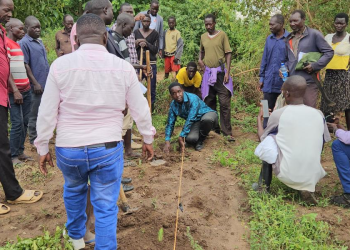
In their petition, they argued that several provisions of the Land Acquisition Act, as they relate to the taking possession of compulsorily acquired land before making prior and adequate compensation to the owners, contravened several provisions of the Constitution and were therefore null and void. They argued that UNRA that was until recently in charge of roads and bridges in the country, continued to invoke Section 6(5) of the Land Acquisition Act to apply for orders to deposit compensation money into courts, and to take over land affected by the Tilenga oil Project and the Hoima Buhimba Road construction project before making fair and adequate compensation to the affected land owners.
They also argued that on many occasions, courts allowed the applications of the Attorney General, which in most cases were ex parte, and as soon as the applications were lodged, UNRA would go ahead and possess the land.
In his lead judgement, Kazibwe agreed with the petitioners, arguing that the section of the Land Acquisition Act that allows for this contradicts the constitution. “Section 10 (5) (C)of the Land Acquisition Act is to the extent that it provides for the taking of possession before a dispute referred to court by the Attorney General is fully determined and payment of compensation made contravenes Articles 26 (2) (b) (i), 26 (b) (ii) and 28 (1) of the Constitution and is therefore unconstitutional,” Kazibwe’s ruling reads in part.
Meanwhile, the judge called for the reform of the Land Acquisition Act so that it is in tandem with the prevailing conditions in the country. “The country has also witnessed several property expropriation exercises, including the 1972 expropriation of property belonging to Asians, the Land Reform Decree that declared all land to belong to the state and the Ranch restructuring scheme in the cattle corridor that saw some ranch owners deprived of portions of their leased estates. Article 26 of the Constitution was thus enacted with the hindsight of the country’s history of expropriations…There is a need to enact a suitable law to suit the changed social and economic circumstances and the existing constitutional regime,” the judge said.
About two years ago, the government sought to amend Article 26 of the constitution to allow for compulsory acquisition of private property before compensation is done.
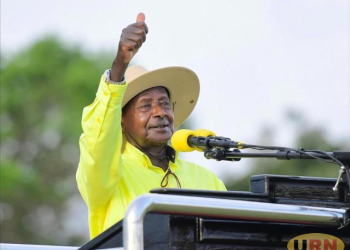
President Museveni argued that the failure to acquire land before compensation had stalled many government projects, leading to financial losses. However, there was almost unanimous opposition from all sides of the public to the amendment.
This forced the government to withdraw the amendment. It’s not yet known whether this was a permanent withdrawal or just a tactical one.
President Museveni is not known for backing away from something he strongly believes in. Other Justices who joined Kazibwe in determining the matter included Irene Mulyagonja, Oscar Kihika, Margaret Tibulya and Asa Mugenyi-URN. Give us feedback on this story through our email: kamwokyatimes@gmail.com