By KT Reporter
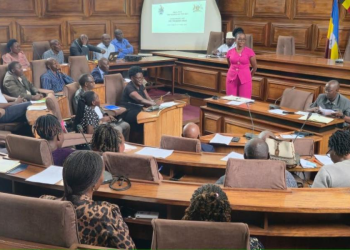
The government, through the Ministry of Health in partnership with Malaria Consortium, has stepped up efforts to tackle malaria in Pader District. On Monday, March 10, 2025, Health officials launched a new phase of intervention following a surge in cases.
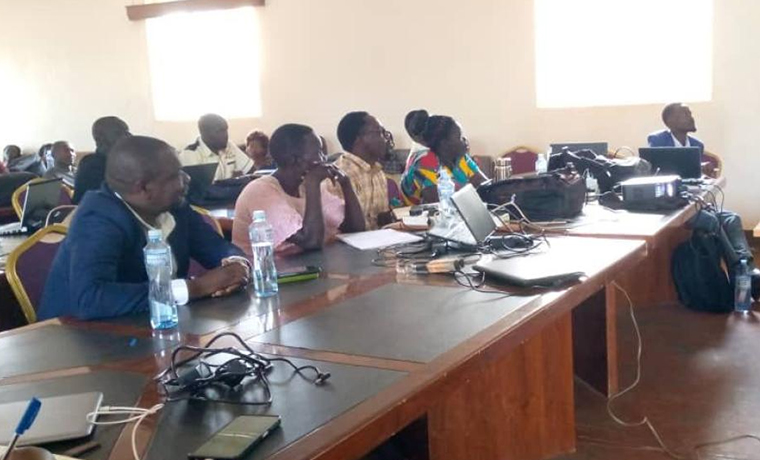
Over the past six months, the district recorded more than 25,000 malaria cases, prompting the need for urgent action, according to the office of the district malaria focal person. As part of the response, health workers have undergone specialized training under the Integrated Community Case Management (ICCM) program to enhance malaria diagnosis, treatment, and referrals.

A total of 1,754 Village Health Team (VHT) members are targeted across the district to strengthen the community’s frontline response to the disease through the trained health workers. Speaking to Uganda Radio Network, Dr. Jude Asimwe, a national ICCM trainer from the Ministry of Health, emphasized the need for stronger leadership at the district level.
Dr. Asimwe said, “We need district leaders to take an active role in advocating for more funding and integrating ICCM into their health budgets. This will ensure long-term sustainability.” He also called for better mentorship programs, improved supply chain management, and greater community involvement in malaria prevention.
The Office of the President recently issued a Malaria Circular comprising nine directives aimed at enhancing malaria control measures. These include increasing public awareness through media campaigns, improving case management in health facilities, ensuring proper accountability for malaria drugs, and promoting the correct use of mosquito nets. Local governments have been tasked with spearheading these efforts and working closely with communities to curb the spread of the disease.
Dr. Dominic Okidi, the acting Pader District Health Officer, acknowledged the progress made since the district adopted ICCM in 2008 with support from Save the Children. However, he expressed concerns over the lack of motivation among VHT members, who serve voluntarily. “Facility in-charges must include VHTs in their budgets to keep malaria interventions running effectively,” he urged.
Cyprian Odong, the district’s Malaria Focal Person, warned that rising malaria cases could overwhelm health facilities if more preventive measures are not taken. “Prevention remains key, especially now that we are facing budget cuts and reduced foreign aid,” he noted. His office reported 26,311 malaria cases out of 60,647 tests conducted between July and December 2024.
Gabriela Karungi, an official from Malaria Consortium, confirmed that discussions were ongoing with the Ministry of Health to expand ICCM services to lower-level communities. “We are waiting for feedback to ensure malaria services reach the most vulnerable populations,” she said-URN. Give us feedback on this story through our email: kamwokyatimes@gmail.com