The government is developing a national framework to equip children and young people with practical skills to protect their health, manage relationships, avoid risky behaviour and make informed decisions as they transition into adulthood.
The age-based National Framework for Education on Health and Life Skills was unveiled on Monday, October 26, 2026, in a joint initiative involving the Ministry of Education and Sports, the Ministry of Health and the Ministry of Gender, Labour and Social Development.
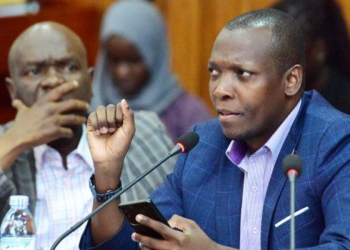
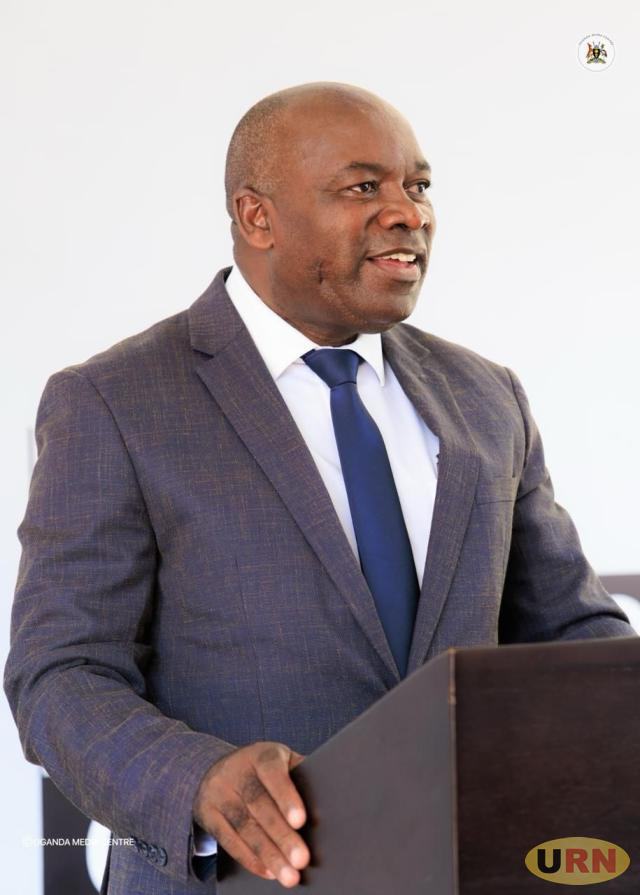
Dr Denis Mugimba, spokesperson for the Ministry of Education and Sports, said the framework seeks to strengthen young people’s ability to navigate health, social and economic challenges while preparing them for responsible adulthood.

“The framework goes beyond conventional classroom instruction by integrating health literacy, resilience, personal safety and practical decision-making into learning,” Dr Mugimba told journalists at the Uganda Media Centre.
The initiative comes as Uganda seeks to harness its youthful population for national development. According to the 2024 National Population and Housing Census, the country has approximately 45.9 million people, about half of whom are below 18 years.
Dr Cleophus Mugenyi, Chief Education Officer for Education Administration and Training at the Ministry of Education and Sports, described the initiative as a “high-stakes investment in the future of Uganda”.
He said the age-based approach is intended to ensure that children receive information and develop skills appropriate to their stage of growth and the personal, social and health challenges they are likely to encounter.
The framework is organised into five modules: Growth and Human Development; Relationships; Life Skills and Keeping Safe; Health and Wellbeing; and Responsible Citizenship. These modules are divided into learning units with specific expected outcomes, practical skills and values tailored to five age groups: three to five years, six to nine, 10 to 12, 13 to 16, and 17 years and above.
The structure is intended to provide age-appropriate learning as children grow, helping them understand their health, build healthy relationships, recognise potentially harmful situations and make responsible decisions. The framework’s official launch is scheduled for Wednesday, October 28, at the Conference Hall in the Office of the President, beginning at 9 a.m.
The framework was developed through collaboration between the Ministry of Education and Sports and several government institutions and non-state partners, including the Office of the First Lady, the Ministry of Health, the Ministry of Gender, Labour and Social Development, the Directorate of Ethics and Integrity, the Uganda AIDS Commission and the Inter-Religious Council of Uganda (IRCU).
Beat Baingana Bisangwa, the Presidential Advisor on Education, said the framework combines risk avoidance, which seeks to prevent exposure to harmful situations, with risk reduction, which aims to minimise harm among those already exposed to risk. He also emphasised the importance of family involvement and approaches grounded in local contexts.
Rev. Daniel Token Wejuli, Programme Specialist for Spirituality and Mindset Change at the IRCU Secretariat, said the approach recognises that schools cannot shoulder the responsibility of preparing young people to navigate health, relationships and personal safety on their own. The involvement of faith-based institutions and community structures is intended to complement formal education by reinforcing responsible behaviour and values within families and communities.
The participation of the Ministry of Gender, Labour and Social Development also broadens the initiative’s scope beyond the classroom, recognising the need to reach young people who are not enrolled in school.
A key feature of the framework is its intended coverage of both in-school and out-of-school children and young people, extending its reach beyond the formal education system. Implementation will require sustained cooperation among government agencies, schools, families, communities, cultural institutions, faith-based organisations and the media.
By bringing these stakeholders together under a common framework, the government seeks to establish a coordinated approach to health and life skills education, equipping young people with the knowledge, values and practical abilities needed to navigate different stages of life.
The framework’s effectiveness will ultimately depend on how consistently its age-specific learning objectives are implemented and how effectively the participating institutions work together to reach children and young people across the country-URN. Give us feedback on this story through our email: kamwokyatimes@gmail.com