The Forum for Democratic Change (FDC) has opposed the government’s renewed push to grant the Uganda Revenue Authority (URA) access to individual and business bank accounts, warning that the proposal could undermine financial privacy and public confidence in the banking system.
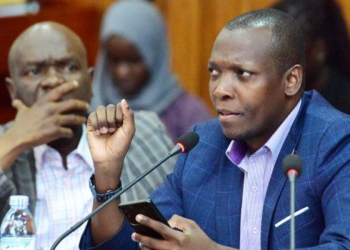
The opposition party has also questioned how URA obtained citizens’ National Identification Numbers (NINs), accusing the tax authority of accessing national identification records without consent and demanding an independent investigation into the alleged data sharing. In a media briefing held Monday, Oct. 26, 2026, FDC Vice Chairperson Centenary Robert Franco said the party would oppose the proposal in Parliament and, if necessary, challenge it in court.
“Ugandans are already struggling with high taxes, unemployment and a high cost of living. They are asked to pay more while the government wants to look into what they earn, save and send to their families. This is the wrong priority,” Franco said. The dispute follows remarks by State Minister for Finance Amos Lugoloobi, who told Parliament that the government would continue pursuing approval to give URA access to individual bank accounts as part of efforts to strengthen tax compliance.

In remarks reported on October 17, Lugoloobi said the government would continue pressing Parliament to approve the proposal, clarifying that linking taxpayers’ NINs to their tax records was separate from granting URA access to their bank accounts. The latter would require separate legal authorisation. The proposal has revived debate over the balance between the government’s responsibility to collect taxes and citizens’ constitutional right to privacy.
FDC has invoked Article 27 of the Constitution, which protects citizens against unlawful interference with their privacy, homes, correspondence and other communications. The party has also cited the Data Protection and Privacy Act, 2019, arguing that the collection and processing of personal information must comply with applicable legal requirements. Its concerns come against the background of a significant Constitutional Court ruling delivered on March 9, 2023.
In ABC Capital Bank and 30 Others v Attorney General and Another, the court considered notices URA had issued to commercial banks in 2018 seeking extensive information about their customers’ accounts for the period between January 2016 and December 2017. The notices covered account details, balances, transactions, and other customer information, without being limited to individuals suspected of tax offences.
The Constitutional Court ruled that the blanket demands violated the constitutional right to privacy and set them aside. However, the court did not outlaw all access to banking information by URA. It upheld the relevant statutory provisions, subject to their lawful and constitutionally compliant application. FDC argues that any renewed proposal must respect that ruling and include safeguards against indiscriminate access to customers’ financial information. “Tax collection is not a license to read people’s finances,” the party said.
Questions over national identification data
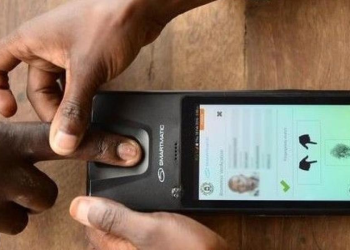
Beyond the proposed access to bank accounts, FDC has raised concerns about the integration of NINs into the tax administration system. The party alleges that URA has accessed NIRA’s national identification database without citizens’ consent and has been linking NINs to taxpayers’ records.
It further claims that some taxpayers who have not updated their details have encountered restrictions when accessing the URA online portal. “Citizens were never asked. Being forced to update or lose access to a service is not consent,” Franco said. The party has demanded that the National Identification and Registration Authority (NIRA) and URA disclose the legal basis for sharing the records, explain precisely what information was transferred and identify the institutions or individuals authorised to access it.
It also wants the government to explain what remedies are available to citizens whose information is leaked, disclosed unlawfully or otherwise misused. The allegations concerning unauthorised access to NIRA records and the circumstances surrounding the reported portal restrictions had not been independently established in the material released by FDC. The government’s position is that improved access to information and better identification of taxpayers are important for strengthening tax administration.
Linking NINs to tax records is part of efforts to improve taxpayer identification and compliance. However, the government has indicated that the identification exercise is distinct from the proposal to grant URA access to bank accounts. The distinction is significant because identifying a taxpayer does not, by itself, establish authority to obtain all that person’s banking information.
The 2023 Constitutional Court ruling also illustrates the difference between obtaining information for a legitimate tax investigation and demanding extensive records about customers indiscriminately. The renewed proposal therefore raises questions about the scope of access being sought, the legal safeguards that would apply, and whether the arrangement would comply with the constitutional protections previously considered by the court.
FDC has also warned that expanding government access to bank accounts could discourage people from saving through formal financial institutions. “A bank only works when customers trust it. When people believe their accounts are being watched, they withdraw their money and keep it at home,” the statement said. The party argues that reduced deposits could affect banks’ ability to lend to businesses, farmers and other borrowers who rely on credit to finance their activities.
However, the extent to which the proposal would affect bank deposits would depend on its eventual design, implementation and public response. FDC has called on the government and Parliament to abandon the proposed access to individual and business bank accounts. It also wants legislation protecting financial privacy, with access to personal bank records restricted to cases involving consent or a court order directed at a named person on specified grounds.
Other demands include public disclosure of the legal basis for sharing NIN data, an independent audit by the Personal Data Protection Office, an end to unlawful restrictions on access to public services, and penalties for individuals who misuse personal information. The party has further urged the government to respect the Constitutional Court’s 2023 ruling. “Paying tax is a duty for all citizens; privacy is a right,” FDC said. URA, NIRA and the Ministry of Finance need to clarify the legal basis and safeguards governing the proposed access to bank records and the alleged sharing of national identification data-URN. Give us feedback on this story through our email: kamwokyatimes@gmail.com