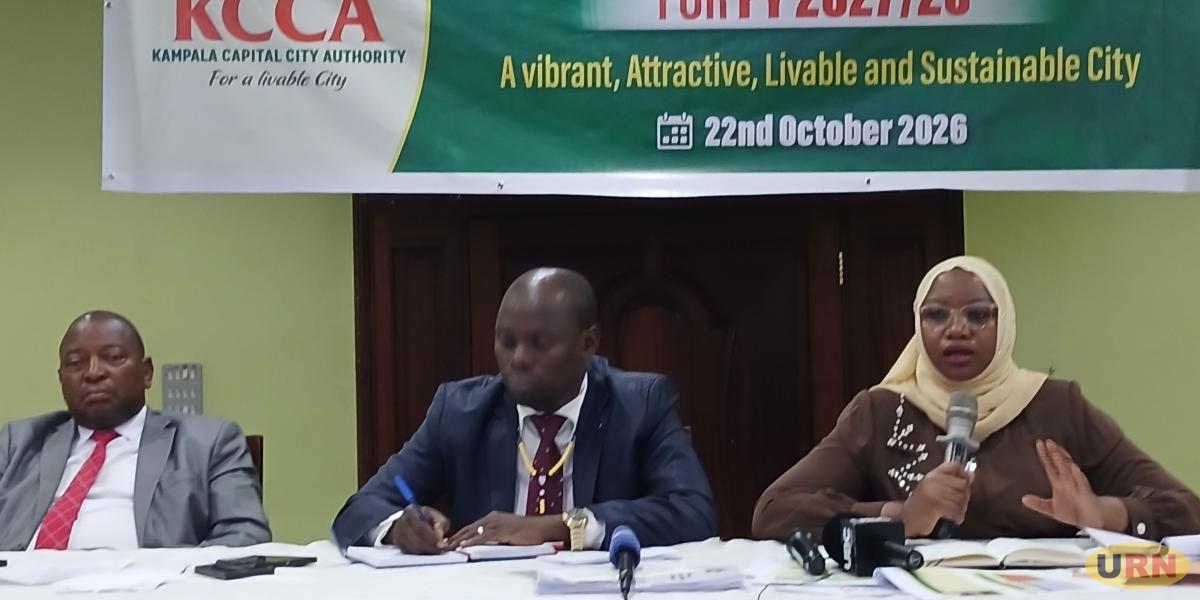
The Kampala Capital City Authority (KCCA) has projected a budget of Shs725.445 billion for the 2027/2028 financial year, down from more than Shs1 trillion in the current planning period.
The proposed budget was presented on Thursday during KCCA’s budget conference for the 2027/2028 financial year.
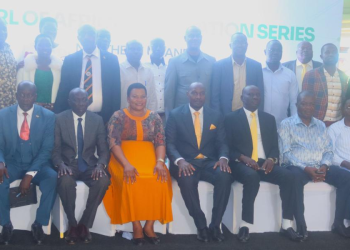
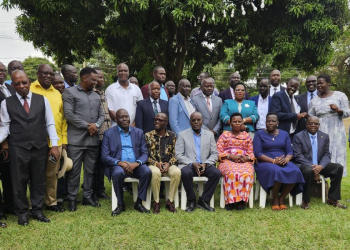
The conference brought together authority councillors, division mayors, town clerks and other stakeholders to discuss development priorities and provide input into the authority’s Budget Framework Paper.

Hajjat Sharifah Buzeki, KCCA Executive Director, said the reduction in the indicative planning figure was partly attributable to a decline in the national resource envelope and the completion of major projects.
Buzeki cited the Kampala City Roads and Rehabilitation Project (KCRRP), which is expected to wind up in December 2027, as one of the projects whose funding will no longer be reflected in subsequent budgets.
The Shs19 billion allocated for the construction of Kiseka Market is also a one-off allocation that will be removed once the project is completed.
Buzeki noted that budget cuts affect the implementation of planned activities, citing a performance level of 34 percent recorded under NDP3 due to the failure to release the full amount approved by the National Planning Authority (NPA).
She appealed to the State Minister for Kampala and Metropolitan Affairs Kabuye Kyofatogabye to support KCCA’s efforts to secure additional funding.
“Any increment will help us perform better, and having most of the priorities in the strategic plan addressed will be highly appreciated,” Buzeki said.
She said that Kampala’s strategic plan requires aproximately 2.4 trillion shillings so as to meet the city priorities and manage the Kampala’s challenges
To bridge the funding gap, Buzeki asked the government to retain some of the one off funds previously provided under the Medium-Term Framework (MTF) to ensure continuity in implementing the authority’s strategic priorities.
Despite the budget reduction, KCCA is pursuing new infrastructure projects to sustain Kampala’s development and compensate for funding that will be phased out.
Among the proposed interventions is the Kampala City Roads and Bridges Upgrading Project, which is expected to cover 127 kilometres of roads.
According to Buzeki, the project has undergone the required approval processes and is awaiting Cabinet approval before funding can be accessed. KCCA is also pursuing a street lighting project, which has been submitted to the Ministry of Finance for consideration.
Another proposed intervention, the Kampala City Roads Improvement Project, is expected to cover 185 kilometres of roads but remains at the project profile development stage.
Other projects in the pipeline include the Kampala City Railway Improvement Project and the Kampala Integrated Waste Management Project, both of which are still at the project profile development stage.
Shamim Nambasa the Kawempe South LCV councilor who also doubles as the finance minister the authority council said the authority had already raised concerns that its current budget was insufficient to meet the city’s needs.
She emphasised that Kampala’s strategic plan requires approximately Shs2.4 trillion to address its key development priorities.
Nambasa said KCCA would continue engaging the relevant authorities to justify the need for a larger allocation, arguing that the city requires adequate resources to meet residents’ expectations.
She also highlighted Kampala’s contribution to national revenue, saying the Kampala metropolitan area contributes approximately over 50 percent of the country’s total revenue.
She argued that this contribution should be reflected in budgetary priorities and planning for the capital.
“We have been complaining that this budget is too small because, according to the strategic plan for Kampala, we need about Shs2.4 trillion to fix issues in Kampala,” she said.
Nambasa questioned why Kampala should face such a substantial reduction given the scale of its service delivery responsibilities and the challenges facing the city.
Kampala Lord Mayor Ronald Balimwezo Nsubuga urged the government to consider increasing KCCA’s funding to at least Shs2.4 trillion to address the city’s priorities.
According to Balimwezo, there is a need to establish public schools in every parish to accommodate the large numbers of learners who currently walk long distances to access education.
He noted that Kampala has 101 parishes but only 23 public schools, arguing that this falls short of education guidelines requiring each parish to have a school calling for a larger KCCA budget to address the gap.
The State Minister for Kampala and Metropolitan Affairs, Kabuye Kyofatogabye, urged city leaders to plan through consultative meetings to better address Kampala’s priorities.
He called on politicians to desist from political infighting and instead focus on the city’s development despite the limited budget.
Kyofatogabye also urged councillors to exercise due diligence during the budgeting process and identify the key priorities of their respective divisions rather than engaging in disputes based on political affiliations.
The conference was intended to provide a broader platform for stakeholders to review the city’s achievements during the 2025/2026 financial year, discuss proposed priorities for 2027/2028 and identify areas requiring additional attention.
Stakeholders were urged to ensure that grassroots concerns were reflected in the final budget while keeping proposed interventions within the available resource envelope.
The national indicative resource envelope for the 2027/2028 financial year is reported at Shs79.22 trillion, down from Shs84.39 trillion in the 2026/2027 financial year.
KCCA, which contributes to 13 National Development Plan programmes, had participated in programme working groups to ensure that the city’s priorities were considered in national planning and resource allocation.
The budget conference forms part of the consultations required under Section 9(1) of the Public Finance Management Act, Cap. 171, which provides for the preparation of Budget Framework Papers through a transparent and consultative process-URN. Give us feedback on this story through our email: kamwokyatimes@gmail.com