

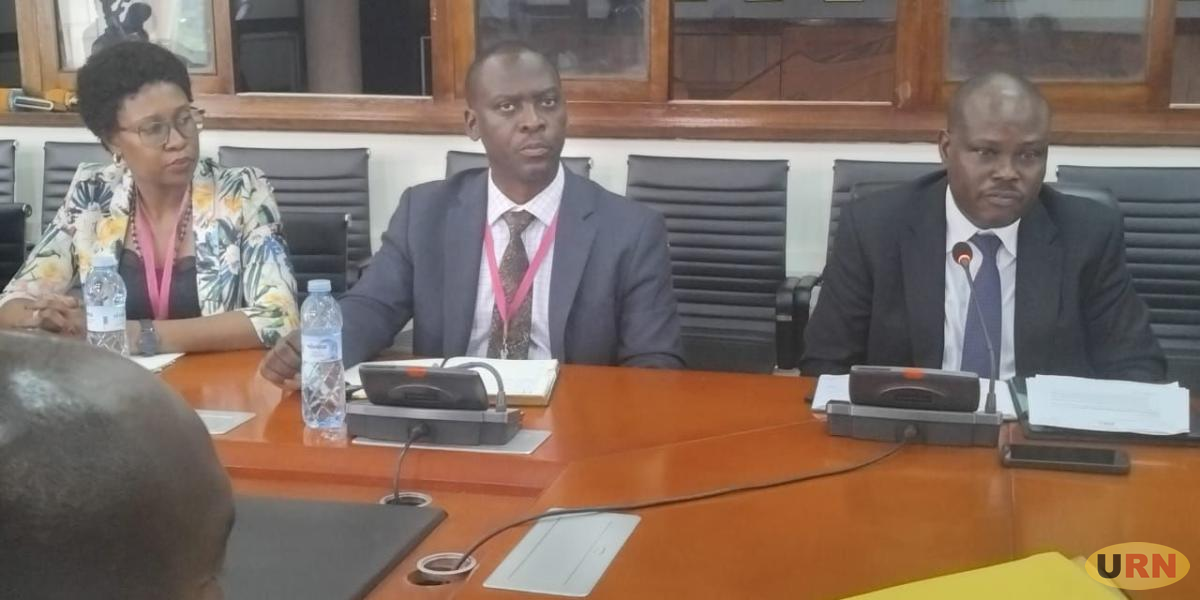
The Auditor General, Edward Akol, has been given until Tuesday, October 20, to submit preliminary findings on Uganda’s Intelligent Transport Monitoring System (ITMS), following concerns by Parliament about the project’s functionality, ownership and financial arrangements.
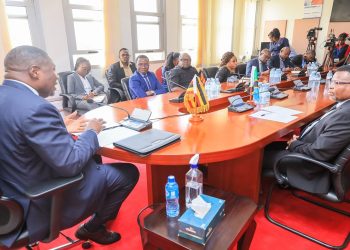
The directive was issued by the Committee on Physical Infrastructure, chaired by Mwine Mpaka, after Akol appeared before the committee to explain why his office had not completed an audit initiated in May 2025.
On Wednesday, the committee directed three officials from the Office of the Auditor General to record statements with the police over their alleged failure to audit the project.

Akol told MPs that his office had struggled to obtain documents from the Office of the President, which coordinates the multi-agency project.
He said officials had repeatedly maintained that the system was still in its pilot phase and that an audit could be conducted after the pilot period.
Akol said the latest communication from the Office of the President maintained that the project was still in its pilot phase. It also stated that government funds had neither been appropriated nor disbursed, with the investor reportedly financing implementation.
However, MPs argued that the pilot phase did not prevent the Auditor General from examining the system’s design, installation, operations and financial arrangements.
Mpaka directed the audit team to begin work immediately and submit a preliminary written brief by Tuesday, even if a comprehensive audit could not be completed within the deadline.
The committee also undertook to provide the Auditor General with copies of the needs assessment and the agreement between the government and the company involved in the project.
Kole North MP Dr Sam Opio Acuti told the committee that the audit could examine the system’s requirements, design specifications, installation and actual operation before its full rollout.
He argued that these stages provided enough information for an assessment, even if questions about the system’s long-term performance remained unanswered.
The Assistant Auditor General, James Bantu, said the office would assess the work already completed and determine whether the available information was sufficient to produce preliminary findings.
Bantu cautioned that the deadline would not allow a comprehensive audit because of the system’s technical complexity.
He said the audit team also needed to obtain information from the relevant accounting officers and give them an opportunity to respond to preliminary findings.
He disclosed that the agreement provides for quarterly audits, a requirement the office had only recently established after receiving the document.
He said the Auditor General would incorporate the reviews into the office’s audit schedule.
The ITMS was introduced to improve road safety, vehicle identification and traffic enforcement. However, the project has faced scrutiny over the cost of number plates, its private financing arrangement and the extent of government control over the technology.
The audit is expected to examine how the arrangement works and how the government benefits from a system whose implementation is reportedly financed by a private investor, particularly given the fees motorists pay for number plates.
The preliminary findings due on Tuesday will provide an initial assessment of the project’s implementation and contractual arrangements.
They will not amount to a final determination of the system’s performance or establish wrongdoing.
The committee has also directed the Auditor General to document formally any denial of access to records or institutions, which Parliament could use to pursue further accountability measures-URN. Give us feedback on this story through our email: kamwokyatimes@gmail.com