

Senior Four students at several centres faced some disruption on day three of the 2026 Uganda Certificate of Education (UCE) examinations after a packing error left them with fewer question papers than the number of registered candidates.
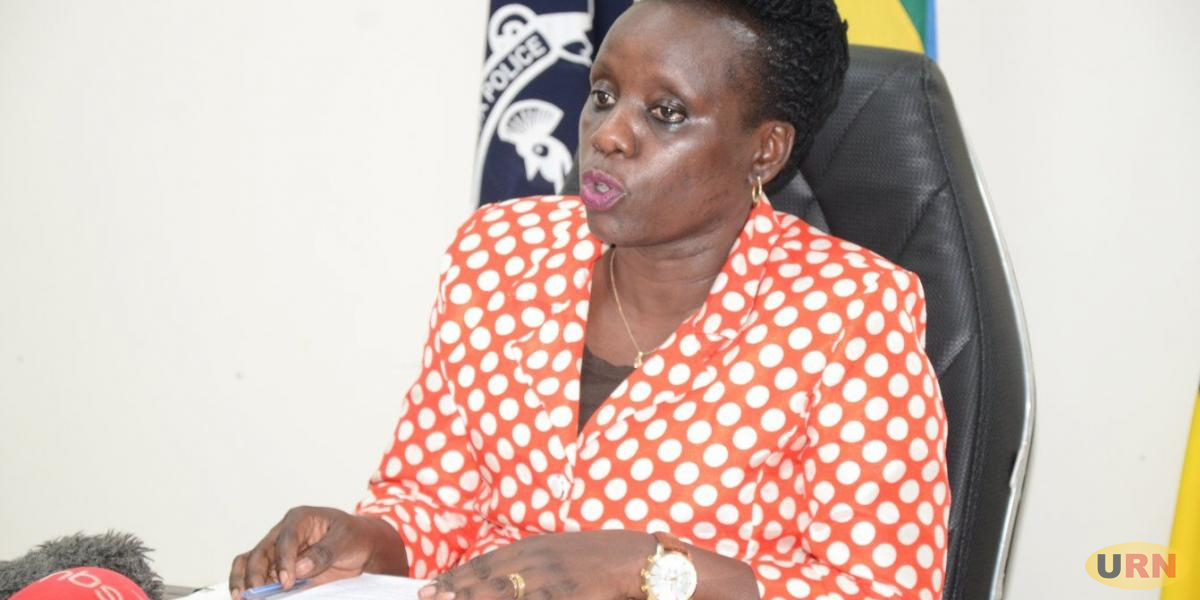
In the day-three wrap-up communication to the press, Jennifer Kalule-Musamba, the Uganda National Examinations Board’s (UNEB) spokesperson, officially acknowledged the shortages.
Kalule-Musamba confirmed that where the shortfalls were recorded, area supervisors and chief invigilators improvised by photocopying the missing scripts so that every candidate could sit the papers as scheduled.

Such shortages are not new. Similar logistical lapses have occurred in previous examination seasons and are often linked to the complex process of packing and distributing papers to thousands of centres across the country, including many in remote areas.
Although the problem was not widespread this year, it still interrupted the smooth flow of the examinations and required on-the-spot solutions.
Relatedly, the board also registered isolated medical emergencies involving candidates living with sickle-cell disease and asthma.
Kalule-Musamba said several learners suffered attacks during the papers but were able to complete their examinations in school sick bays under medical attention and continuous invigilator supervision. She did not provide specific numbers or locations.
UNEB regulations make clear provision for candidates with chronic medical conditions. At registration, affected learners must declare their status and submit supporting medical documentation. This enables the board to place a trained transcriber on standby.
Where no prior arrangement has been made, the examination manual allows centres, working with UNEB officials including chief invigilators and scouts, to improvise by assigning the role to a Senior Two student from the same school.
A transcriber, whether an adult or a student, plays a strictly limited role. The transcriber reads each question aloud to the candidate and records the answers exactly as dictated. The transcriber is not permitted to explain questions, suggest answers, or provide any other form of assistance. This safeguard ensures that only the candidate’s own knowledge is assessed while still giving medically vulnerable learners a fair opportunity to complete the paper.
On day three, candidates sat Geography in the morning. In the afternoon they attempted Biology theory, with Special Needs Education (SNE) candidates taking the corresponding General Science Biology paper.
According to the official timetable, day four is devoted entirely to the biology practical. The paper is optional: candidates register for either Paper 2 or Paper 3, and Paper 3 will be done next week. However, UNEB rules allow a candidate who misses Paper 2 to sit Paper 3 under protest, even if they had not registered for it-URN. Give us feedback on this story through our email: kamwokyatimes@gmail.com