The International Energy Agency is urging governments to accelerate emergency oil stock releases as disruptions in the Strait of Hormuz and reduced Russian supplies tighten global diesel markets.
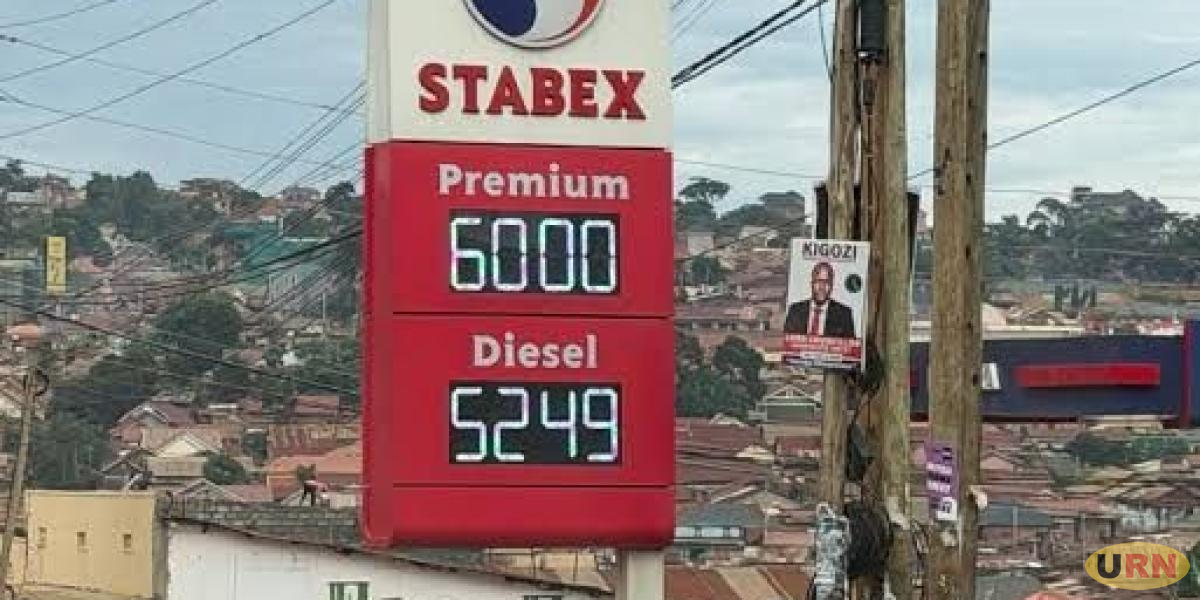
In Uganda, Energy Minister Monica Musenero said international prices, a weakening shilling and higher fuel taxes are contributing to rising pump prices, although national stocks remain sufficient to meet demand.
Musenero last week has told Parliament that the rising fuel prices reflect a combination of international supply disruptions, a weakening shilling and higher domestic taxes.

Now the International Energy Agency (IEA) warns of mounting pressure on global diesel markets.
She noted the government had no direct control over the pump prices charged by oil marketing companies because Uganda operates a liberalised petroleum market.
Meanwhile IEA in a meeting on Sunday urged member governments to accelerate emergency oil stock releases and prioritise diesel supplies in response to disruptions in the Strait of Hormuz and declining Russian supplies following Ukrainian attacks on oil refineries.
The IEA says the combined disruptions have created unprecedented tightness in diesel markets in recent weeks, raising concerns about the availability and cost of refined petroleum products.
In a statement following a meeting of member governments, IEA Executive Director Fatih Birol said countries supported accelerating the emergency releases, with diesel given priority where possible.
Birol wrote to member governments urging them to consider additional measures to expand and accelerate the releases, noting that the March 2026 collective action remained underway.
Participants in the meeting expressed appreciation for the IEA’s response to the energy impacts of the Strait of Hormuz crisis.
They emphasised their commitment to delivering on the March 2026 Collective Action and the importance of the IEA Secretariat’s role in continuing to monitor progress towards the completion of the action and providing up-to-date market analysis.
To date, approximately 325 million barrels of oil have been released under the March 2026 Collective Action, with some countries having released greater volumes than they initially pledged.
The full release of all the stocks that had been pledged but have not yet been released from the March 2026 Collective Action would bring approximately 100 million barrels to the market.
IEA Member governments still have significant levels of publicly held emergency oil stocks, equivalent to around 1.1 billion barrels, including over 200 million barrels of diesel.
Imports of refined petroleum products and the international developments present a risk of higher import costs.
However, Musenero’s statement to Parliament showed that the price increases experienced by consumers cannot be attributed to the Middle East crisis alone.
According to Musenero, the Uganda shilling’s depreciation against the US dollar has increased the domestic cost of imported petroleum products.
She told Parliament that the exchange rate had weakened from approximately Shs3,790 per US dollar at the beginning of September to about Shs4,035 by October 5. The movement, she said, translated into an estimated additional cost of about three hundred shillings per litre from the exchange-rate change alone.
Because Uganda imports refined petroleum products, importers must pay for supplies in foreign currency or through arrangements linked to international currency markets. A weaker shilling consequently increases the amount of local currency required to purchase the same volume of fuel.
Musenero also pointed to the Excise Duty (Amendment) Act, 2026, which introduced an additional two hundred shillings per litre in excise duty on petrol and diesel from July 1.The tax increase, combined with currency depreciation and international petroleum prices, has added to the cost pressures reflected in domestic fuel prices.
The minister said pump prices are influenced by several factors, including international product prices, exchange rates, procurement arrangements, transportation and logistics costs, financing expenses and the commercial margins of individual oil marketing companies.
Even if international diesel prices stabilise, continued weakness of the shilling could keep import costs elevated.
Equally, an improvement in the exchange rate would not necessarily translate into immediate pump-price reductions if international prices, freight charges or other costs remained high.
Despite the pressure on prices, Musenero said the existing current fuel stocks were sufficient to meet national demand.
The government has been working through the Uganda National Oil Company (UNOC) and its supply partners to secure petroleum products amid the disruptions affecting international markets.
Musenero said the government was strengthening coordinated procurement and supply management, while pursuing alternative supply arrangements through Tanzania and engaging Kenya on a proposed Product Sharing Exchange Framework.
The plans include exploring a refined-products pipeline and storage facilities at Tanga, alongside efforts to address logistical constraints along the Mombasa and Dar es Salaam supply corridors.
The government is also pursuing improvements in inland storage infrastructure, including plans to expand petroleum storage capacity at Jinja and develop a larger storage and distribution terminal in the Kampala area.
These measures are intended to strengthen supply security and reduce the costs associated with transporting petroleum products from import points to consumers across Uganda.
However, the distinction between adequate stocks and affordable fuel remains important. Sufficient supplies can prevent physical shortages without necessarily protecting consumers from higher prices when import costs rise.
The IEA’s warning also highlights the importance of the composition of available supplies. Diesel markets can experience particular pressure when refinery operations and international trade in refined products are disrupted, even when oil continues to reach other parts of the global market.
Musenero’s appearance before Parliament also raised questions about the role of UNOC in Uganda’s petroleum supply chain and whether its procurement arrangements are helping to cushion consumers from international price shocks.
Members of Parliament demanded a detailed breakdown of the prices at which UNOC supplies fuel to oil marketing companies. The minister said UNOC’s coordinated procurement had helped cushion exceptional price increases earlier in the year. However, she had not yet received the detailed selling-price information requested by MPs and undertook to provide it.
Some legislators called for temporary tax relief or suspension of the increase, arguing that the additional charge was worsening the pressure on consumers. Others raised concerns about the impact of the depreciating shilling on the wider economy.
The debate was deferred pending a comprehensive government statement addressing the economy, including the exchange rate and its effects on fuel prices. The IEA’s coordinated emergency oil stock release is intended to provide additional supplies and ease the effects of the disruption to international oil flows.
But emergency releases are a temporary measure. They cannot permanently replace regular shipments through major production and export centres or resolve all the constraints affecting refineries and petroleum-product transportation.The agency’s renewed focus on diesel reflects the importance of refined products to transport, industrial activity and other parts of the economy-URN. Give us feedback on this story through our email: kamwokyatimes@gmail.com