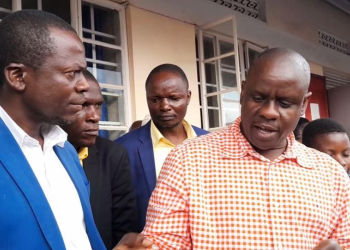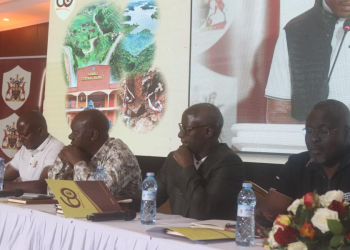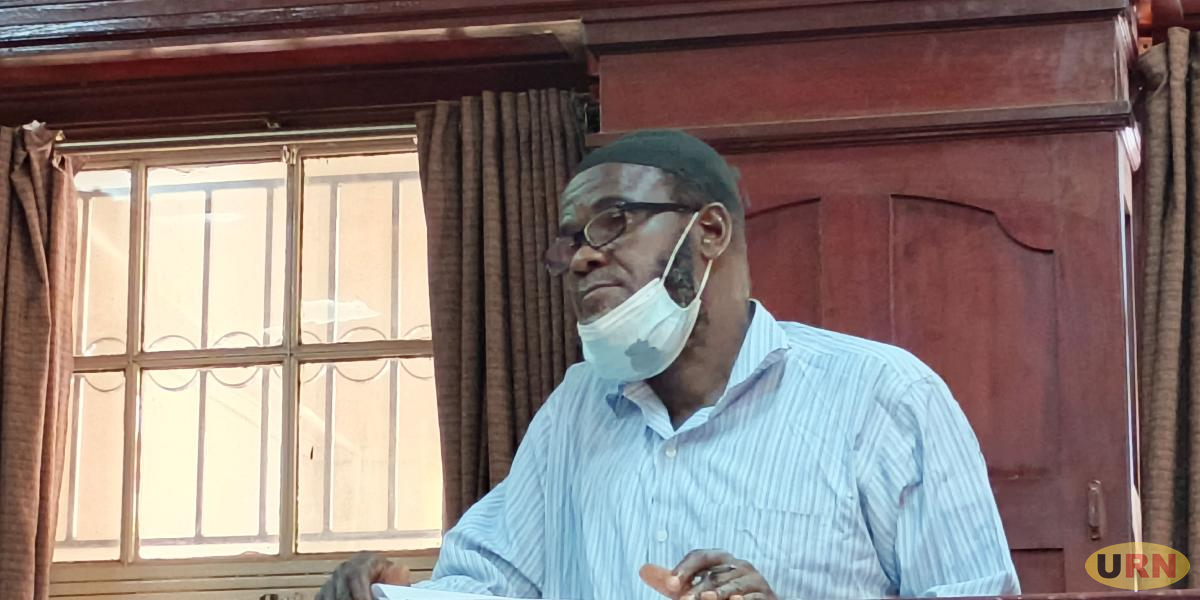
The International Crimes Division of the High Court has ordered the prosecution to produce witnesses in the terrorism trial of suspected former Allied Democratic Forces (ADF) leader Jamilu Mukulu and 17 co-accused, warning that failure to proceed could lead to further orders, including bail for the accused.
A panel of four judges led by Justice Michael Elubu issued the order on Wednesday after prosecutors Richard Birivumbuka and Assistant Director of Public Prosecutions Thomas Jatiko appeared in court without witnesses. The case has been pending for about 12 years, with substantive proceedings only beginning in November 2025 after years of delays.
The court was told that the prosecution had planned to call 10 witnesses during the week allocated for the trial. However, witnesses from the Busoga region who were expected to testify on Wednesday reportedly declined to travel to Kampala, saying the onset of rains had allowed them to return to their gardens and prepare for the planting season. The development prompted defence lawyers, including Patrick Kasumba, to ask the court to dismiss the charges or grant the accused bail if the prosecution was not ready to proceed.

The defence argued that the continued delays were unfair to the accused, some of whom have spent more than a decade on remand. The judges, who also included Dr Andrew Bashaija, Lady Justice Susan Okalany and Justice Stephen Mubiru, said the prosecution had been given sufficient time to prepare its case and that court proceedings should take precedence once witnesses have been summoned.
The panel noted that court summonses issued to witnesses are compulsory and that witnesses are required to attend unless excused by the court. The judges also pointed to the financial and other costs associated with preparing for the trial, saying continued delays have consequences for both the parties and the administration of justice. The court referred to the Constitution and Section 17(2) of the Judicature Act, which empowers the High Court to take measures to prevent unnecessary delays in the administration of justice.
The judges consequently directed the prosecution to produce its witnesses on Thursday, September 24, and Friday, September 25. The prosecution was also reminded that witnesses could, where appropriate, testify remotely through platforms such as Zoom. The judges warned that failure to produce witnesses could trigger further orders, including the possibility of granting bail to Mukulu and his co-accused under Section 54(1) and (2) of the Trial on Indictments Act.
The court also indicated that it could exercise its powers under the Judicature Act to require the prosecution to close its case if it fails to proceed as directed. So far, 15 prosecution witnesses have testified. The case initially involved 39 accused persons, but the number has since fallen to 18. Some of the accused entered plea-bargain agreements with the prosecution, pleaded guilty, and received sentences ranging from 22 to 35 years in prison, while two others were freed after the Director of Public Prosecutions withdrew the charges against them.
Mukulu and his co-accused face charges including terrorism, murder, aggravated robbery, attempted murder and membership of a terrorist organisation, the ADF. The prosecution alleges that Mukulu was a leader of the ADF and that he issued orders for his co-accused to carry out murders and robberies in several districts, including Mayuge, Bugiri, Tororo, Mbarara, Namayingo, Kampala, Wakiso, Jinja, Mbale and Budaka.
The prosecution further alleges that between 2011 and 2014, Mukulu and his co-accused acquired firearms, underwent military training in neighbouring countries and secured funding to pursue political, religious and social objectives through violence. Among the allegations are the murders of Muslim clerics Sheikh Yunus Abubaker Mandanga and Sheikh Dakitoor Muwaya, as well as attacks on Bugiri Police Station in which police officers Karim Tenywa and Muzamir Babale were killed.
The accused were arrested in different locations in Uganda and Tanzania between 2014 and 2015. Although the accused were committed to trial in September 2019 following a pre-trial conference, substantive proceedings did not begin until November 2025. The prosecution is led by Chief State Attorney Richard Birivumbuka and Assistant DPP Thomas Jatiko. The court is expected to resume the trial on Thursday, with the prosecution required to produce witnesses as directed-URN. Give us feedback on this story through our email: kamwokyatimes@gmail.com