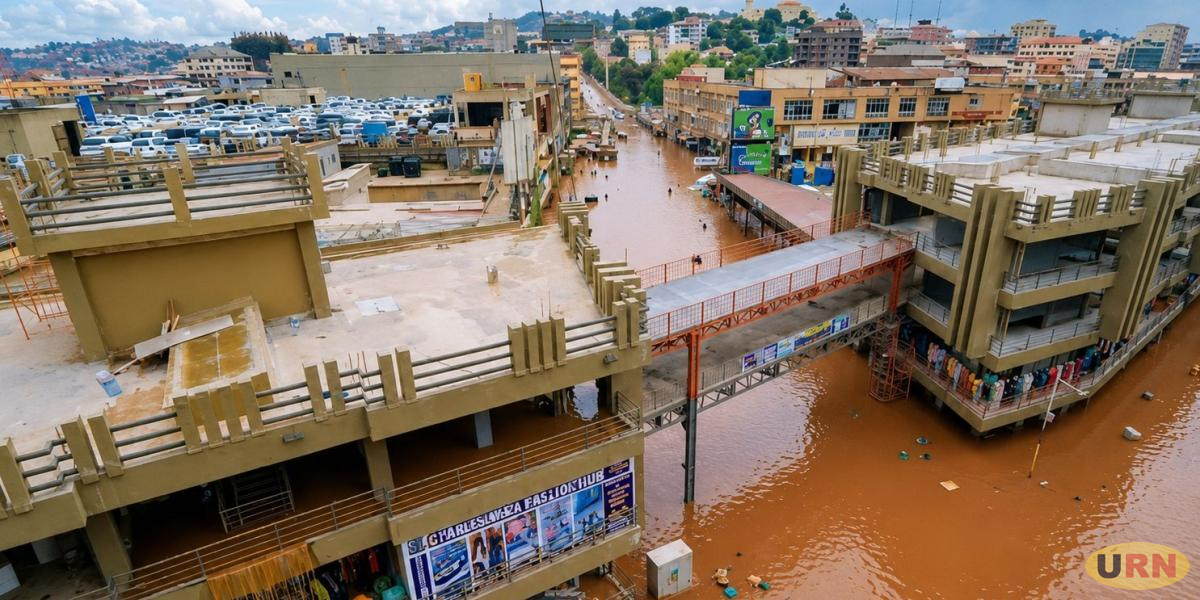
The Parliamentary Committee on Physical Infrastructure has given the Kampala Capital City Authority (KCCA) seven days to submit a report explaining its management of the city’s drainage infrastructure and the persistent flooding that continues to affect Kampala.
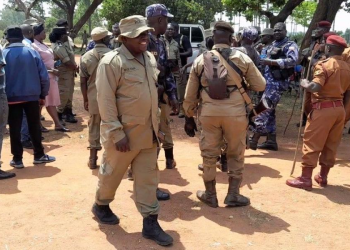
The directive followed inspections by the committee at some of the capital’s worst flood hotspots, including Nalukolongo-Najjanankumbi, Lugogo and Kyambogo, where legislators assessed drainage systems blamed for repeated flooding that has destroyed homes, businesses, roads and other infrastructure.
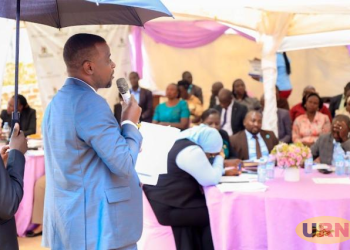
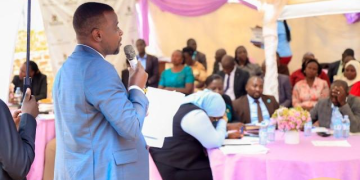
Committee Chairperson Mwine Mpaka said the inquiry was prompted by the growing human and economic cost of flooding.

He cited estimates by the United Nations Development Programme (UNDP) indicating that Uganda loses about US$50 million (approximately 188 billion shillings) annually to flood-related damage.
“Our interest as a committee is to determine what practical interventions can be implemented to prevent these recurring disasters. With heavier rains expected in August, we started with three critical locations but intend to inspect all flood-prone areas across Kampala,” Mpaka said.
According to Mpaka, the drainage channel at Nalukolongo-Najjanankumbi is too small to handle storm water from the surrounding catchment, leaving nearby communities vulnerable whenever heavy rains occur.
He added that the committee had uncovered apparent inconsistencies in the approval of developments, raising concerns that technical advice from KCCA engineers may have been ignored.
Bukora County MP Emmanuel Ilokul said the committee had also received evidence suggesting political influence may have overridden technical recommendations during the approval process.
He alleged that one private developer acquired about 46 acres and constructed buildings on a drainage channel, while the government continues to spend public funds on compensation and flood control.
The committee also inspected developments in Lugogo, where another private investor, identified as ICRD, is alleged to have built on a designated drainage corridor.
Parliament has since requested an independent assessment from the National Building Review Board after receiving a report from the Ministry of Works and Transport.
Mpaka said government has already spent nearly 20 billion shillings compensating residents affected by flooding in the Nalukolongo-Najjanankumbi area alone.
He argued that developers whose projects obstruct natural drainage should bear part of the cost of maintaining the drainage system instead of leaving taxpayers to shoulder the burden.
The committee now wants KCCA to explain how the disputed developments were approved and whether technical recommendations were ignored.
Mpaka warned that if officials approved the projects contrary to professional advice, they could face disciplinary or criminal action.
“If KCCA tells us these plans were technically harmonised and approved, yet flooding continues and Parliament is repeatedly asked to appropriate money for compensation, then those responsible should either resign or face prosecution for failure to perform their duties,” Mpaka said.
Hoima City Woman MP Asinasi Nyakato accused KCCA’s leadership of failing to properly plan and regulate the city’s drainage infrastructure despite years of recurring floods that have claimed lives, displaced families and disrupted businesses.
Responding to the concerns, KCCA Deputy Executive Director Benon Kigenyi said the Authority has a comprehensive master plan to guide urban development, address climate change and bridge infrastructure gaps despite rapid urbanisation.
The committee’s inquiry will examine whether Kampala’s worsening floods are the result of engineering failures, poor planning, weak enforcement of development regulations or unlawful construction in drainage channels. Its findings could determine whether individual public officials should be held accountable for the recurring crisis-URN. Give us feedback on this story through our email: kamwokyatimes@gmail.com