The Ministry of Finance, Planning and Economic Development has released 23.03 trillion shillings for the budget obligations for the first quarter of this financial year, with a vow to ensure fiscal discipline. This is 27 percent of the approved total budget for the financial year 2026/2027 and is based on implementation schedules, projected domestic revenues and expected external financing disbursements.
The bulk of 10.83 or just over 53 percent was released for debt and treasury operations, while 2.45 trillion goes to salaries and wages across government departments under the statutory obligations and departments. Other items include those under the government’s strategic growth areas or agro-industrialisation, tourism, minerals including oil and gas, and science, technology and innovation (ATMS).
Under infrastructure, the ministry of works was the biggest single recipient with 1.53 trillion shillings, including 1 trillion meant for Uganda Airlines, Uganda Railways, Kalangala Infrastructure Services and the Standard Gauge Railway. Other destination areas included the Tenfold Growth Strategy enablers, like security, human capital development, local government and revenue generation.

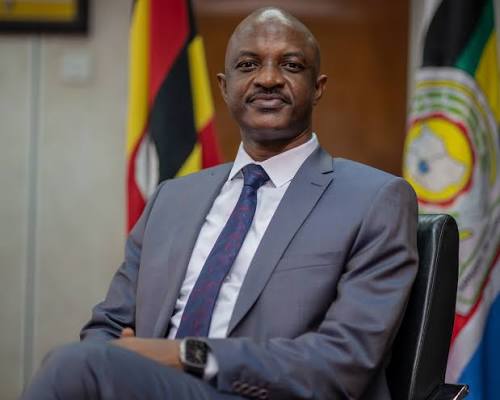
Permanent Secretary and Treasury Secretary Ramathan Ggoobi said the reforms made prior to the budget will have to be observed by all, especially accounting officers, who face “severe sanctions as set out in the Budget Discipline and Accountability Charter”.
He says these measures are aimed at restoring budget credibility, improve payroll accuracy, prevent new arrears and restrict supplementary budgets to genuine, unforeseen needs. The PSST reiterated five rules to be observed, including No Budget, No Commitment; Supplementary budgets are exceptional; Zero tolerance for arrears; No ready project, No budget; and No wage provision, no recruitment.
“Any entity that commits government without a budget will be harshly handled,” says the PSST. The reforms also state that where there is external financing for a project, counterpart funding management will now be centralised at the Treasury to protect financing for priority projects.
The government will also implement the contributory public pension service fund to ensure fiscal sustainability of government pension liabilities, while state-funded celebrations on public holidays will be eliminated, according to Ggoobi. But Julius Mukunda, Executive Director – Civil Society Budget Advocacy Group, noted that the implementation of the reforms had not been allocated to dedicated officials.
“Budget reforms must go beyond announcements to clear implementation plans,” Mukunda said, calling for implementation timelines for each of the reforms. “Implementation failures can be as costly as poor planning. Unless reforms are backed by clear implementation plans and regular public reporting, they risk becoming unfulfilled promises.”
Arthur Bainomugisha, Executive Director at ACODE, urged the ministry to help local governments to improve on their absorption capacity, wondering why allocated funds should be returned to the consolidated fund. He also showed concern at the big domestic debt which means that the government is keeping money away from its owners, meaning that businesses are being stifled-URN. Give us feedback on this story through our email: kamwokyatimes@gmail.com