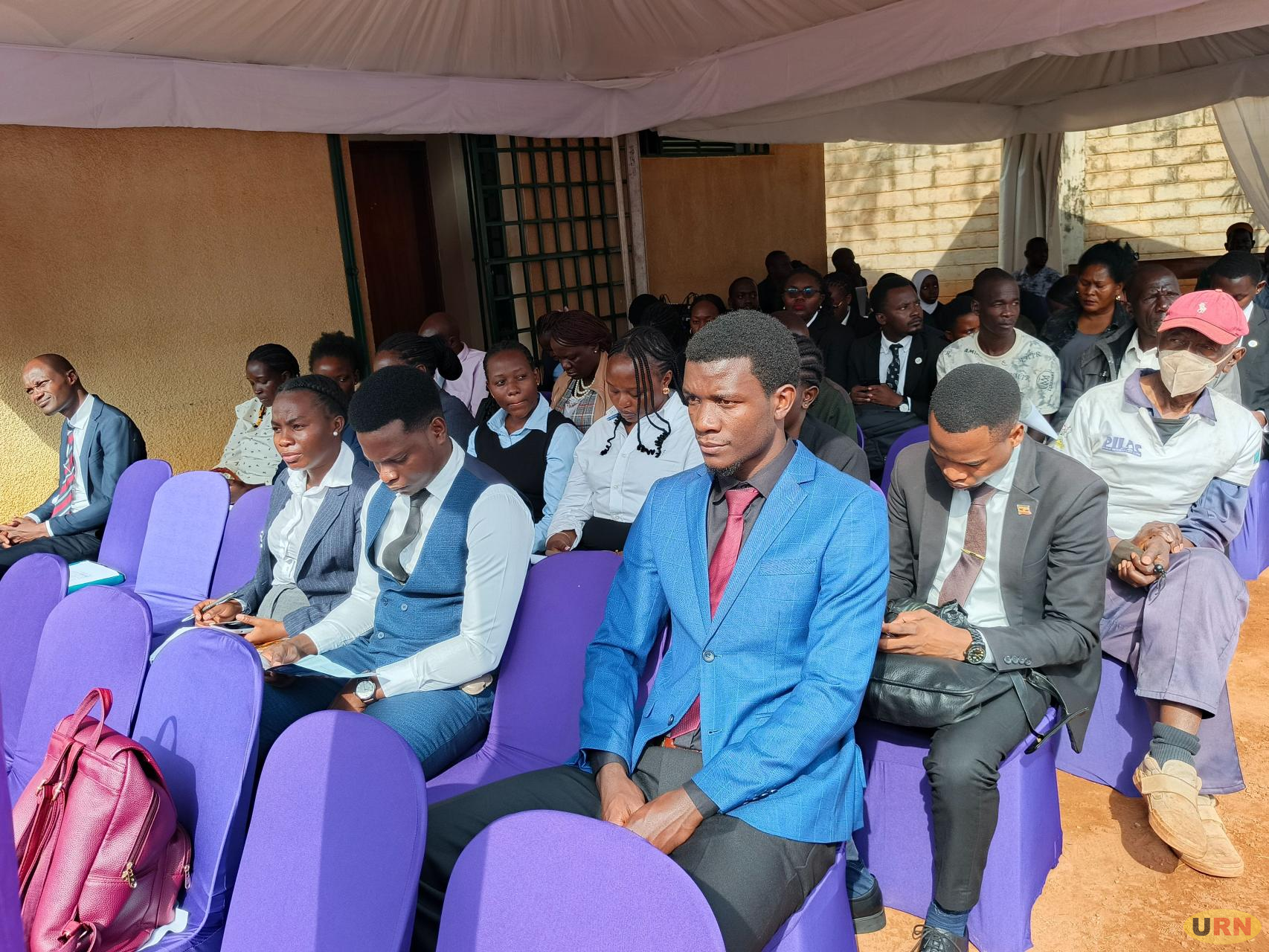

Complaints of alleged bribery by police officers overshadowed the Law Development Centre (LDC) Court Open Day in Kampala, with members of the public openly accusing law enforcement officers of demanding money for police bonds, arrests, and the release of suspects. The event, organised to improve public understanding of court processes and strengthen access to justice, brought together officials from the Judiciary, the Uganda Police Force, the Office of the Director of Public Prosecutions (DPP), Uganda Prisons Service, local leaders, law students, and members of the public.
During an interactive session, several participants recounted personal experiences of alleged corruption within the criminal justice system. Ketty Nakayanja told the gathering that police officers allegedly demanded one million shillings to secure the release of her son. She said she managed to pay two hundred thousand shillings, but her son was nevertheless remanded to Luzira Prison on charges she believes he did not commit.

A female reverend also attempted to raise concerns about alleged bribery involving police officers but was advised to submit her complaint in writing. The chairperson of women in Kagugube Village similarly alleged that she was asked to pay money before police could grant a bond to people, she had gone to assist at Kagugube Police Station.
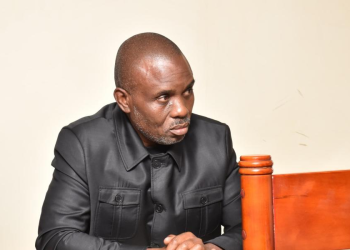
Other participants complained that police officers routinely demand money before making arrests, sanctioning case files, or providing other services. The allegations triggered a tense exchange with Wandegeya Division Police Commander SP David Ndaula, who rejected claims that corruption is institutionalised within the Uganda Police Force. His remarks were met with boos and jeers from sections of the audience, who insisted that bribery remains widespread.
In an apparent attempt to challenge the claims, Ndaula asked anyone who had ever been asked for a bribe while seeking police services to stand up. Several members of the audience immediately rose to their feet and moved towards the microphone, prompting loud applause from other participants. Only two members of the public were allowed to speak because of time constraints. Ndaula later shared his telephone contacts and urged anyone with credible evidence against corrupt officers to report directly to him for investigation and disciplinary action.
Earlier, the Chief Registrar, Agnes Alum, commended the LDC Court for organising the Open Day and said the large public turnout reflected growing confidence in the justice system. She said the Judiciary remains committed to delivering a justice system that is transparent, accountable, and responsive to the needs of court users.
Alum reminded participants that Article 126 of the Constitution requires courts to administer justice fairly, without undue delay or unnecessary technicalities, while promoting reconciliation wherever possible.She highlighted ongoing judicial reforms, including mediation and the Small Claims Procedure, which are intended to reduce case backlog and speed up dispute resolution.
The Chief Registrar also noted that recent amendments to the Magistrates Courts Act have expanded the financial jurisdiction of Chief Magistrates and Grade One Magistrates, bringing judicial services closer to communities while easing pressure on the High Court.
She encouraged members of the public to report misconduct through the Inspectorate of Courts and reminded court users of their rights under the Judiciary Client Charter, including the right to fair hearings, access to court information and records, and the right to lodge complaints against judicial officers.LDC Court Chief Magistrate His Worship Timothy Lumunye said the court serves both as a judicial institution and a teaching court.
He revealed that the court has registered 754 cases since January, disposed of 581 cases, and currently has 641 pending matters, including a backlog of 58 cases. Lumunye attributed much of the court’s progress to Alternative Dispute Resolution mechanisms such as mediation and reconciliation, which he said have significantly improved case disposal.
He added that the court also provides practical legal training to students from institutions, including Makerere University, through supervised clinical legal education. The Manager of the LDC Legal Aid Clinic, Lydia Namuli, described the court as a unique institution established through a partnership between the Judiciary and the Law Development Centre in 2008.
She said law students receive practical training in litigation, legal drafting, negotiation, and mediation while offering free legal services under supervision.
Namuli warned the public against paying anyone for legal services offered through the clinic, stressing that all student legal practice at LDC is free of charge. She also encouraged greater use of Alternative Dispute Resolution, saying it promotes reconciliation, reduces case backlog, and often produces more lasting solutions than prolonged litigation.
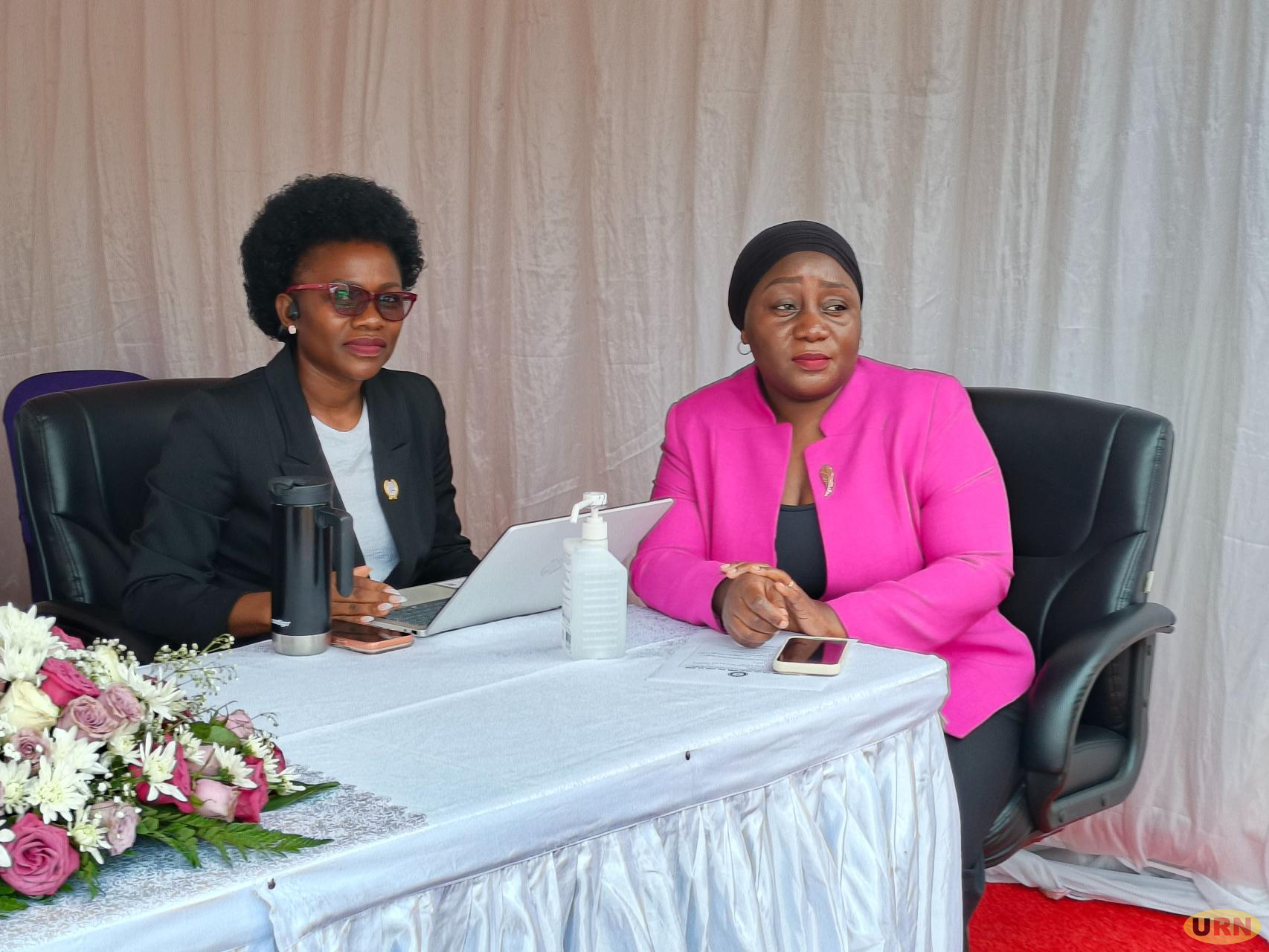
Participants also appealed to the Judiciary to consider providing transport refunds during future public engagements, noting that some attendees had travelled from districts including Kalangala, Kiboga, and Mukono to seek answers on delayed court cases and other access-to-justice concerns. The session was moderated by Deputy Registrar in charge of Mediation, Zulaika Nanteza, who joined other judicial officers in responding to questions from the public-URN. Give us feedback on this story through our email: kamwokyatimes@gmail.com