Refugees living in Koboko Municipality have called for the prioritisation of comprehensive, long-term skills training programmes, arguing that short courses have failed to adequately prepare them for sustainable livelihoods and effective integration into host communities.They say most of the existing interventions are too brief, often lasting less than three weeks, leaving beneficiaries without the practical and business management skills needed to sustain income-generating activities or properly utilise start-up kits distributed after training.
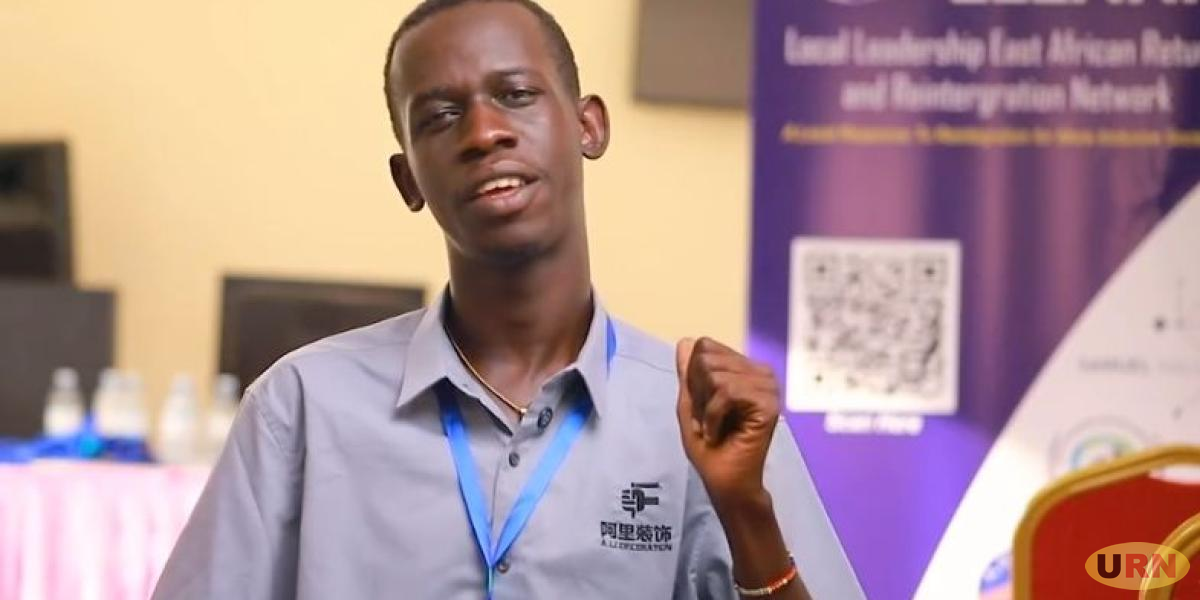
A joint report by the Office of the Prime Minister (OPM) and UNHCR indicates that Koboko hosts 6,539 refugees as of May 31, 2026. The majority are from South Sudan and the Democratic Republic of Congo, with others from Somalia, Sudan, Eritrea, and Burundi. Some beneficiaries say the gaps in training have contributed to cases where start-up kits are sold off shortly after issuance due to a lack of adequate skills and follow-up support. Isaac Mandela Adam, a South Sudanese refugee living in Koboko Municipality, said intensive training would better prepare both refugees and host community youth to improve their livelihoods and contribute to local development.
Similarly, Kennedy Batali called for more structured and integrated empowerment programmes targeting both refugees and host communities, saying skills training should be extended and aligned with market needs to promote self-reliance.

According to a VNG International survey, an estimated 2,896 refugees in Koboko are self-settled in urban areas. The findings show that 88.8% are South Sudanese, 10.3% are from the Democratic Republic of Congo, and smaller percentages are from Somalia, Sudan, Eritrea, and Burundi.
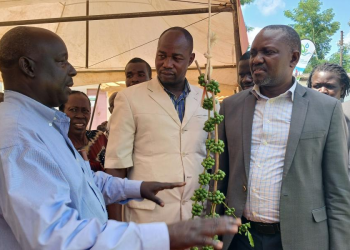
Local leaders say the growing urban refugee population continues to strain service delivery systems, particularly in education and health, as they access public services despite not being fully reflected in government budgeting frameworks. To address this, Koboko Municipality has rolled out an integration approach known as the “Koboko Model,” aimed at promoting coexistence while easing pressure on local services.
Koboko Municipality Mayor Peter Aloro Atibuni said the initiative is receiving support from development partners and is designed to enhance integration and shared opportunities between refugees and host communities.
The municipality has also benefited from participatory forums under the Local Leadership East African Return and Re-integration Network (LLEARN) programme, implemented by Samuel Hall in partnership with regional organisations across East Africa and funded by the International Centre for Migration Policy Development (ICMPD). Uganda currently hosts 1,986,814 refugees as of May 31, 2026, according to OPM and UNHCR data-URN. Give us feedback on this story through our email: kamwokyatimes@gmail.com