Parents in Luwero have raised concerns about the emergence of cases of corporal punishment in schools. The concern follows the death of a 16-year-old student under circumstances that are currently under investigation. The latest outrage follows the death of Nicholas Nakibinge, a Senior Four student at New Life Secondary School in Kizito Zone, Luwero Town Council. Police are investigating allegations that he was assaulted by a teacher over an alleged disciplinary matter.
Nakibinge was reportedly involved in a disagreement with a physics teacher, Abraham Mukalazi, who allegedly accused him of refusing to trim his hair in accordance with school regulations. According to Savannah Regional Police spokesperson Sam Twiineamazima, the student later collapsed and died while being transported to Luwero Hospital.
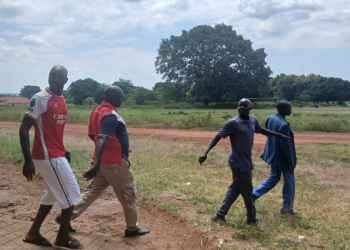
Twiineamazima said that when police officers arrived at the school, the prime suspect and the school’s headteacher were reportedly not at the premises. He said two people had been arrested to assist with investigations, while a manhunt had been launched for the principal suspect.

Reports indicate that this was not the first time the student had allegedly been subjected to corporal punishment by the same teacher. Sources say that on Monday, Nakibinge was reportedly beaten for missing Integrated Curriculum examinations, raising concerns about repeated disciplinary actions that may have contributed to the tragic outcome. The incident has sparked concern among parents, residents, and education stakeholders over the use of excessive force in enforcing school rules.
Joseph Amerigo Sserubogo, the victim’s father, expressed grief and anger over the circumstances surrounding his son’s death. He argued that if the school had concerns about his son’s conduct, administrators should have contacted him so that the matter could be addressed through proper channels rather than resorting to physical punishment. Proscovia Luwedde, a resident of Luwero Town, alleged that after the student collapsed, some teachers abandoned him instead of ensuring he received immediate medical attention.
She claimed that it was fellow students, together with a school warden, who eventually rushed the victim to the hospital. The student reportedly died while being transported to the health facility. Meanwhile, Hasifah Nalukenge, a resident of Mabbale Zone in Luwero Town Council, called for stricter oversight of teachers and stronger enforcement of regulations prohibiting corporal punishment. She expressed concern over what she described as a growing number of cases involving excessive disciplinary measures in schools and urged authorities to take decisive action to protect learners from abuse. Vox Pop
Paul Mukungu, the co-director of New Life Secondary School and LC III Chairperson of Luwero Town Council, described the incident as unfortunate and condemned the alleged use of violence against learners. Mukungu emphasized that the school does not condone violence and pledged full cooperation with investigators. He said the administration was working closely with police, the victim’s family, and other relevant authorities to establish the circumstances surrounding the incident and ensure justice is served.
He extended condolences to the bereaved family and called for a thorough and transparent investigation. When a URN reporter visited New Life Secondary School on Wednesday, lessons were proceeding as normal. However, the classroom where the incident allegedly occurred had been cordoned off with police crime scene tape as investigations continued.
Yusuf Kamulegeya, the Luwero District Inspector of Schools, confirmed that the district education department had launched its own inquiry into the matter. He said the findings would inform any disciplinary or administrative action that may be taken against the school. The incident has also reignited debate about the continued use of corporal punishment in some Ugandan schools despite existing legal prohibitions.
While corporal punishment was historically used as a disciplinary method in many schools, child rights advocates and education experts have for years campaigned for alternative, non-violent approaches to discipline. Under Article 106(a) of the Children Act, as amended in 2016, corporal punishment is prohibited in educational institutions.
The law states that no person in authority within a learning institution shall subject a child to any form of corporal punishment, underscoring the legal obligation of schools to adopt child-friendly disciplinary measures. The Ministry of Education and Sports has also issued guidelines promoting positive discipline and child protection in schools.
Nevertheless, reports of learners being caned, beaten, or otherwise physically punished continue to emerge from different parts of the country, raising concerns about the enforcement of existing laws and regulations. Globally, the trend has been toward eliminating corporal punishment in schools.
International organizations, including the United Nations and UNICEF, have urged governments to prohibit all forms of violent discipline, arguing that such practices can cause physical injury, psychological harm, and negative effects on learning and child development. As investigations by police and education authorities continue, parents, education stakeholders, and child rights advocates are calling for greater accountability, stronger enforcement of child protection laws, and improved safeguards to ensure the safety and well-being of learners in schools-URN. Give us feedback on this story through our email: kamwokyatimes@gmail.com