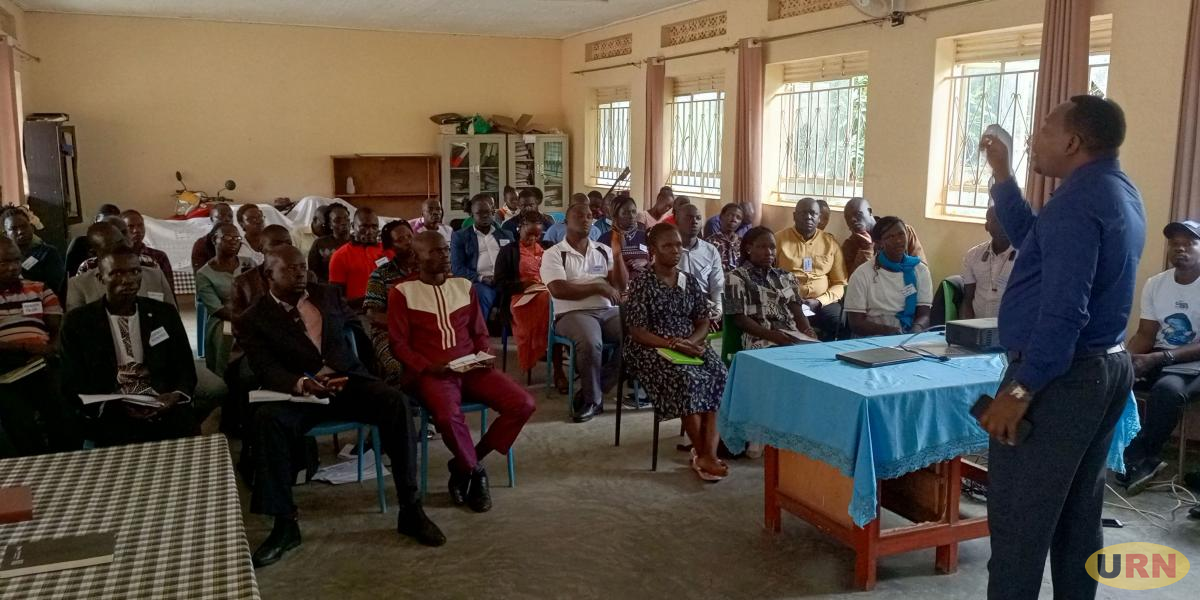
The Bank of Uganda has rolled out a financial literacy programme in the West Nile region aimed at improving money management skills and expanding access to financial knowledge across different sectors of the population.
The five-day training, implemented under the Uganda Financial Literacy Association (UFLA) in partnership with the National Social Security Fund (NSSF) and Voice of Restoration International Limited (VRIL), is coordinated under the Bank of Uganda secretariat and aligned with the National Financial Literacy Inclusion Strategy under the Ministry of Finance.
Participants drawn from local government, civil society, private sector, cultural institutions, and development partners are being trained to become financial literacy trainers who will later cascade the knowledge to communities in the region. Daniel Ayebare, President of the Uganda Financial Literacy Association, said the programme was designed to address persistent gaps in financial knowledge and poor money management practices, particularly in West Nile.

A report by the Uganda Financial Literacy Association shows that basic financial literacy levels have improved from 50 percent to 80 percent over the past five years. However, gaps remain in areas such as investment, insurance, savings, and broader financial planning. Candiru Night Stella, an educationist from Yumbe District, said the region still lags in financial literacy, a factor she linked to West Nile’s low ranking in the Uganda Bureau of Statistics Multidimensional Poverty Index.
Feni Twaib, CEO of the West Nile Regional Civil Society Network (WECISNET), welcomed the initiative, noting that many households continue to struggle with financial discipline and management. He also emphasized the need to integrate financial literacy into school curricula to equip learners with early life skills in money management.
According to VRIL Executive Director Daniel Dratibi Drileba, trainees are expected to become community trainers after completion of the programme, helping to extend financial education to grassroots levels.
Participants will undergo assessment at the end of the training, and those who score at least 60 percent will receive certification enabling them to conduct financial literacy training and offer basic consultancy services in financial management-URN. Give us feedback on this story through our email: kamwokyatimes@gmail.com