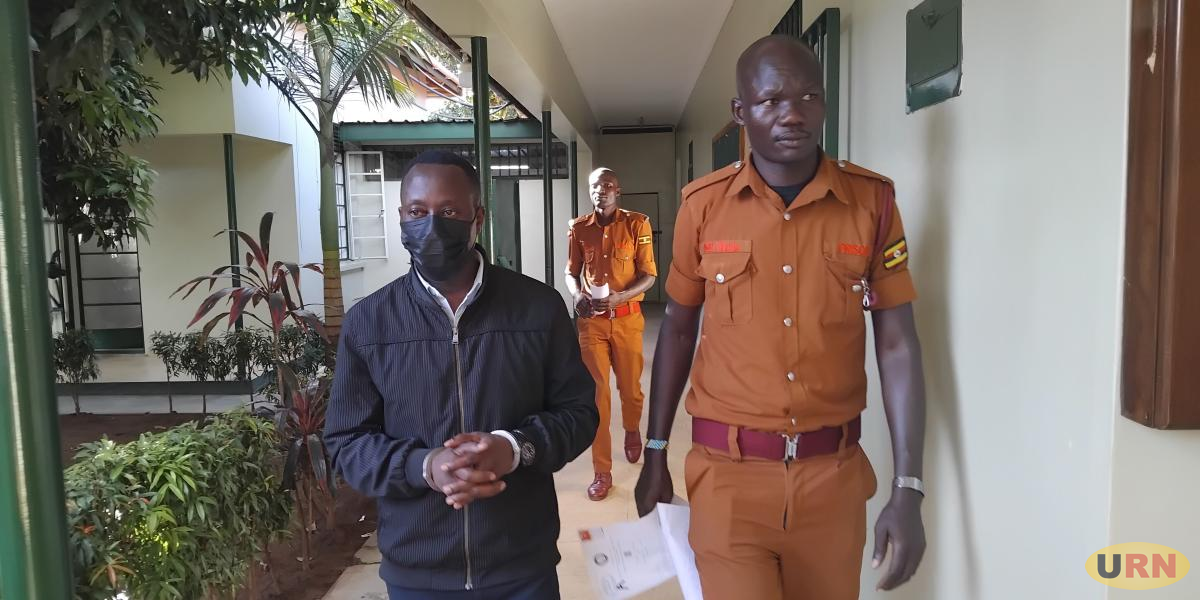
A Registration Assistant with the National Identification and Registration Authority (NIRA) has been remanded to prison over allegations that he unlawfully leaked citizens’ personal data to facilitate a suspected human trafficking network that reportedly preyed on young Ugandan women destined for exploitation in Dubai.
Douglas Kaaya, also known as Kasozi, a 40-year-old resident of Buziga in Makindye Division, appeared before Grade One Magistrate Asuman Muhumuza at the Standards, Utilities and Wildlife Court in Makindye following investigations conducted by the Kampala Metropolitan Police Headquarters.
Kaaya is facing two counts related to the unlawful disclosure and processing of personal data contrary to the Data Protection and Privacy Act, Cap. 97. Prosecutors allege that while working as a Registration Assistant at NIRA, he accessed and processed National Identity Card information without authorisation and shared it with individuals linked to a human trafficking syndicate.

The case emerged following a recent BBC documentary that exposed the plight of Ugandan women allegedly lured to Dubai under false promises of employment, only to end up trapped in prostitution and exploitative labour conditions. The documentary reportedly prompted authorities to investigate possible internal collaborators within government institutions who may have aided the movement of victims out of the country.
Investigators now believe Kaaya and other suspects still at large used their positions within NIRA to expedite the processing and verification of identification documents needed to facilitate overseas travel for trafficking victims. According to court documents, the alleged offences occurred on December 4, 2024, at the NIRA offices in Makindye. The investigations are being led by Detective Assistant Superintendent of Police Stella Chepcumba.
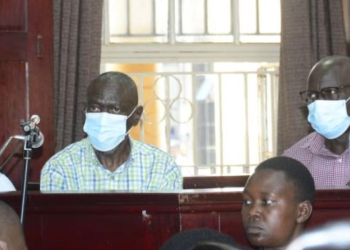
During the court session, Kaaya pleaded not guilty to the charges. Although Magistrate Muhumuza informed him of his right to apply for bail, the application could not proceed after the court found the submitted documents insufficient. The magistrate noted that the file lacked Kaaya’s personal National Identification Card and an introductory letter from his LC1 chairperson, both required for bail consideration.
Kaaya was consequently remanded until May 18, 2026, when the court is expected to hear his renewed bail application and formally commence the hearing of the case.
The prosecution argues that the accused’s actions amounted to a serious breach of Uganda’s data protection laws, which were enacted to safeguard citizens’ personal information from misuse and unauthorised disclosure. If convicted, Kaaya faces a sentence of up to 10 years imprisonment, a fine of 245 currency points, or both.
The case adds to growing concerns over the vulnerability of Ugandan migrant workers, particularly women recruited for jobs in the Middle East. Over the past several years, Ugandan authorities and rights organisations have repeatedly raised alarms about trafficking syndicates operating through recruitment agencies and informal networks that exploit gaps in documentation and migration oversight-URN. Give us feedback on this story through our email: kamwokyatimes@gmail.com