By KT Reporter
Gulu City authorities have ordered a fresh validation of individuals selected as beneficiaries under the cattle restocking programme.
This follows allegations of irregular registration by some Local Council chairpersons.

The directive was issued on Thursday by the committee overseeing beneficiary registration after reports emerged that some local leaders had manipulated the process.
Registration, which began last month, targets 21 households across each of the 32 wards in Gulu City under the programme’s first phase.
The government has allocated 3.3 billion shillings to Gulu City Council for the initiative, with each household expected to receive 5 million shillings in cash, equivalent to five head of cattle.
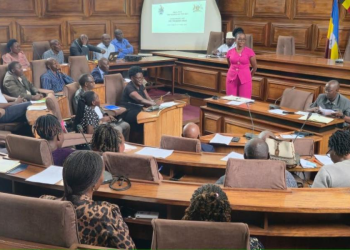
During a meeting held on Thursday at the city council hall, officials accused some Local Council leaders of violating guidelines by registering multiple beneficiaries from the same household.
John Charles Luwa, the Gulu City planner and focal person for the programme, said preliminary findings indicate that some Local Council I and II chairpersons registered between two and four of their relatives, in some cases including themselves.
He noted that most of the irregularities were reported in Bardege-Layibi Division, although he did not name specific individuals.
Luwa said that, following public complaints and the findings, the city council’s executive committee resolved on Wednesday to temporarily suspend registration in the affected wards. The suspension will allow for community engagement to verify the submitted beneficiary lists.
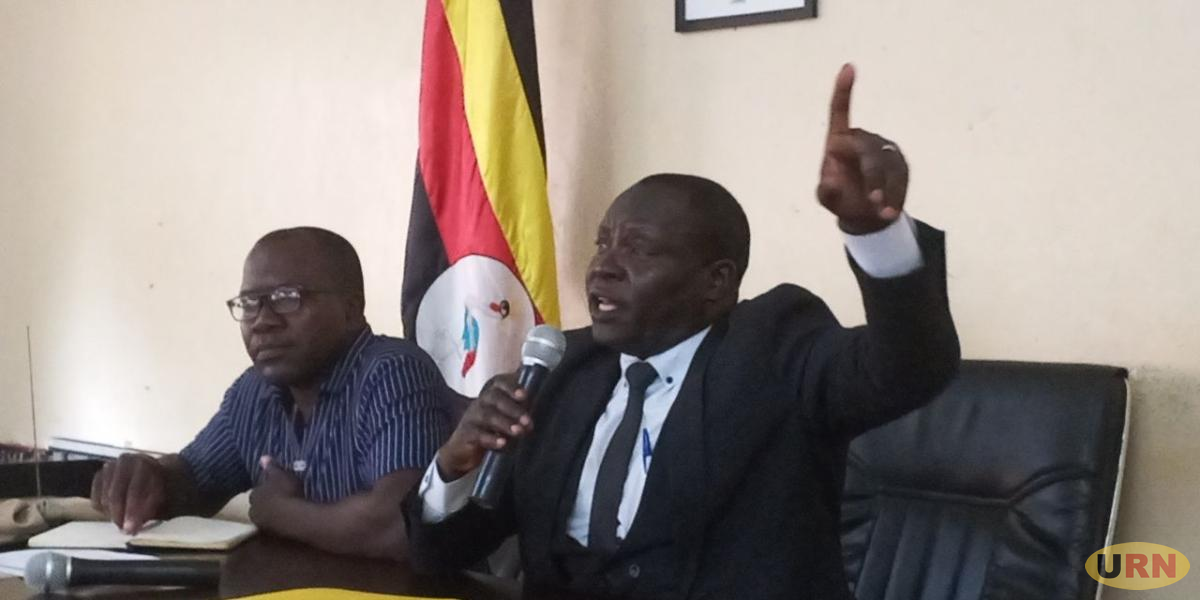
However, the decision sparked anger from several Local Council chairpersons, who argued that despite volunteering their time in the registration process, they were being unfairly accused of corruption and excluded from benefiting.
Tensions escalated during the meeting, with some local leaders storming out in protest.
Alex Okoya, LCII Chairperson of Labourline Ward in Laroo-Pece Division, accused the city executive committee of attempting to manipulate the lists by inserting preferred beneficiaries.
Okoya maintained that those initially registered had been vetted at the ward level by Local Council leaders, Parish Development Committees, and Principal Town Agents.
He also criticized what he described as the deliberate exclusion of Local Council chairpersons from the programme, noting that some of them qualify as beneficiaries due to age, disability, or vulnerability.
According to guidelines from the Office of the Prime Minister, which is coordinating the implementation of the programme, priority beneficiaries include the elderly, former abductees, unemployed and unskilled youth, persons with disabilities, and widows or widowers.
Despite the disagreements, both city officials and local leaders later agreed to proceed with a validation exercise in the affected wards in Bardege Division without halting registration across the rest of the city.
Luwa said a joint team comprising LC I and LC II representatives, supported by city technical staff, has been tasked to conduct the validation and will present its report on Monday.
In a related development, the city council last week withdrew registration forms from Local Council chairpersons after discovering that some beneficiaries had prematurely signed them to acknowledge receipt of funds they had not yet received.
The cattle restocking programme, launched last year by President Yoweri Museveni, aims to boost household incomes and restore livestock lost during past insurgencies in the Teso, Lango, and Acholi sub-regions.
The government has earmarked 80 billion shillings for the programme’s first phase, which will be implemented over five years.
-URN. Give us feedback on this story through our email: kamwokyatimes@gmail.com