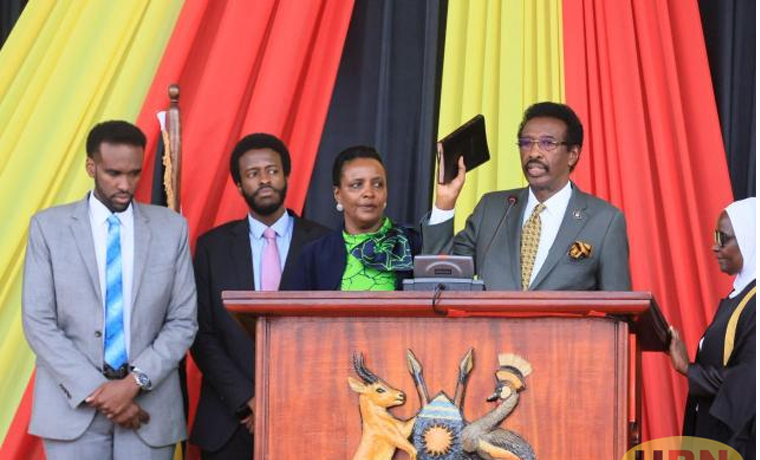
The transition into the 12th Parliament moved closer to completion on Thursday after 170 newly elected legislators took the oath of allegiance and oath of office during the second day of the swearing-in ceremonies.
The development brings the total number of legislators sworn in so far to 354, following the 184 lawmakers who took oath on the opening day of the exercise on Wednesday. The remaining legislators are expected to be sworn in on Friday, officially concluding the formation process of the country’s new legislature.
In a brief statement released Thursday evening, the Office of the Clerk to Parliament confirmed the progress of the exercise. “It is a wrap. 170 MPs took oath today. We go again tomorrow as we conclude the swearing-in ceremony 2026,” the statement read.

The ceremony marks a critical constitutional step before legislators can formally assume parliamentary duties, including participating in debates, electing parliamentary leadership, sitting on committees, and scrutinizing government programs and expenditure.
Under Article 81 of the Constitution of Uganda and the Administration of Parliament Act, every elected MP is required to take and subscribe to the oath of allegiance and oath of office before taking their seat in Parliament.
The swearing-in exercise also signals the formal operationalization of the 12th Parliament, which will be expected to confront mounting national issues ranging from public debt, unemployment, service delivery failures, governance concerns, electoral reforms, corruption, and growing public demands for accountability.
Political observers say the composition and conduct of the new Parliament will likely determine the strength of legislative oversight over the Executive in the coming five years.
“The oath is not merely ceremonial; it is a constitutional commitment to defend the Constitution, represent citizens faithfully, and hold the Executive accountable,” said a governance analyst Dr. Sarah Bireete.
The ceremony unfolded amid heightened public interest over the future direction of Parliament, particularly after criticism directed at the 11th Parliament over allegations of weakened oversight, controversial expenditure, and growing Executive influence in legislative affairs.
Attention is now expected to shift toward the election of key parliamentary leaders, including the Speaker and Deputy Speaker, as well as the constitution of sectoral and standing committees that shape legislative business.
For many first-time legislators, Thursday’s ceremony represented both political triumph and the beginning of intense public expectations. “We are coming into Parliament at a time when Ugandans want results, accountability and responsive leadership. The real work starts now,” Gerald Karuhanga, newly sworn-in MP Ntungamo Municipality remarked shortly after taking oath.
The 12th Parliament assumes office at a politically and economically sensitive moment for Uganda, with rising youth unemployment, pressure on public finances, demands for electoral reforms, and concerns over shrinking civic space expected to dominate legislative debate in the new term-URN. Give us feedback on this story through our email: kamwokyatimes@gmail.com