By KT Reporter
Livelihood activities such as farming, livestock keeping, construction, and night-time work significantly increase malaria risk in Uganda, according to new research by Dr Kevin Deane, a development economist at The Open University, UK, and Dr Edwinah Atusingwize and Dr David Musoke, a Research Associate and Associate Professor of Environmental Health at Makerere University School of Public Health, respectively.
The study, Livelihoods as a key social determinant of malaria: Qualitative evidence from Uganda, published on December 2, 2025, in the journal Global Public Health, examines how everyday economic activities shape exposure to malaria, often undermining conventional prevention measures such as insecticide-treated nets and indoor residual spraying. The findings are based on qualitative fieldwork conducted in June 2024 in Busiro County, Wakiso District, a peri-urban area with persistently high malaria transmission in Uganda.

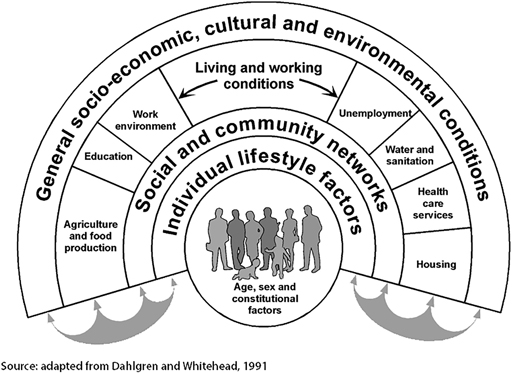
Using a qualitative design, the researchers conducted 14 key informant interviews, 10 focus group discussions, and 11 in-depth interviews with households recently affected by malaria, engaging 100 participants from communities, health services, local government, and civil society across Kajjansi, Kasanje, and Katabi Town Councils, as well as Bussi Sub-County, in Busiro South. Their analysis, guided by the Dahlgren–Whitehead social determinants of health model, enabled the researchers to situate malaria risk within the broader social, economic, and environmental conditions shaping how people live and work.
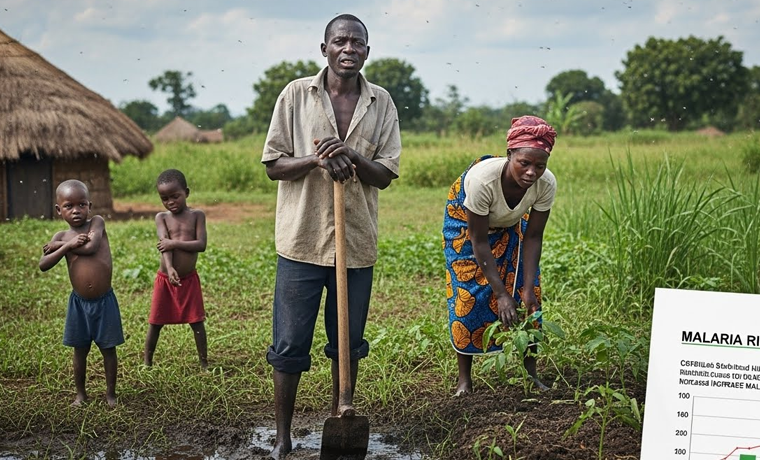
In their findings, participants linked malaria exposure to agricultural practices, among which is maize cultivation near homes, which was associated with increased mosquito density during the rainy season. “One of the most common crops cultivated in Uganda, which many rely on as staple foods, creates environments in which mosquitoes are attracted to and thrive, often in settings where maize is grown near homes in rural areas and urban areas. This increases mosquito density around homes and contributes to increased outdoor biting and the number of mosquitoes entering houses,” the study argues.
Its authors say this poses a difficult policy challenge because maize is central to household food security, leaving few practical options for reducing exposure. They argue that proposals to keep maize away from homes are often unrealistic for families with limited land or those farming in urban areas, while targeted control during flowering periods may have limited impact given mosquitoes’ ability to travel beyond cultivation sites.

Beyond crop farming, the study reports that livestock rearing, especially zero-grazing cattle kept close to houses, attracts mosquitoes into household compounds. Other livelihood activities, including construction and brick-making, created stagnant water-filled pits that served as breeding sites, while night-time livelihoods, such as street vending, guarding, fishing, bar work, and brick burning, among others, prolonged outdoor exposure during peak mosquito biting hours. Gender further shaped risk, with women’s livelihoods and caregiving responsibilities frequently exposing young children alongside them.
“The evidence we present illustrates the unintended health consequences of development strategies intended to promote key livelihood activities, food security, and poverty reduction. There are no straightforward solutions given the complexity of these relationships and the importance of these livelihoods for many households,” the authors assert.
They conclude that malaria elimination efforts will fall short unless livelihoods and development activities are explicitly integrated into malaria prevention strategies, calling for stronger alignment between public health, agriculture, urban development, and economic policy.
Please see below for the study:
-MAK NEWS. Give us feedback on this story through our email: kamwokyatimes@gmail.com