By KT Reporter
The Ministry of Finance, Planning and Economic Development has asked Parliament to write off nearly UGX19 billion in tax arrears owed by Newplan Limited, a Kampala-based engineering consulting firm whose finances were battered by COVID-19 disruptions and mounting debt.
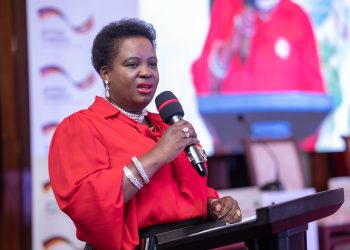
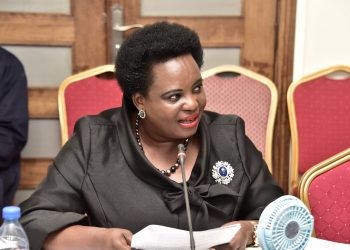
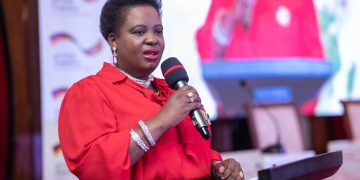
State Minister for Finance in charge of General Duties, Henry Musasizi, told lawmakers that the proposed waiver—amounting to UGX18.863 billion—covers accumulated Value Added Tax (VAT), Withholding Tax, and Pay As You Earn (PAYE) liabilities that the company is no longer able to service.

Musasizi anchored his request on a July 18, 2025, recommendation from Uganda Revenue Authority (URA) Commissioner General John Musinguzi, which concluded that recovery of the tax arrears would be impractical.
According to URA, Newplan’s financial distress was exacerbated by the suspension of work on the East African Crude Oil Pipeline (EACOP) project during COVID-19 lockdowns, alongside heavy borrowing.
. “Section 43(2) of the Tax Procedures Code Act Cap 343 provides that where a taxpayer’s case is referred to the Minister by URA and the Minister is satisfied that the tax due cannot be effectively recovered, the Minister shall, with the approval of Parliament, remit in whole or part the tax payable,” Musasizi told Parliament.
“This Ministry is satisfied with URA’s submission that the tax is due but cannot be effectively recovered.” In a detailed letter to the Finance Ministry, Musinguzi said URA had reviewed Newplan’s financial records and found the firm to be struggling under severe debt.
“Our review of the taxpayer’s financial records reveals that the company is facing financial hardship and is highly indebted,” he wrote. “We therefore recommend waiver of the taxpayer’s tax arrears in accordance with Section 43 of the Tax Procedures Code Act, 2024.”
But the request immediately triggered resistance on the floor of Parliament, with some legislators questioning why Newplan had been singled out among many struggling businesses.
Kalungu West MP Joseph Ssewungu challenged the process, demanding clarity and fairness. “There are so many companies seeking tax waivers. Why bring only one and leave out those local companies?” Ssewungu asked, warning that selective relief could undermine public confidence in the tax system.
The Newplan request is the latest in a growing list of tax relief proposals at a time when Uganda’s fiscal space is increasingly constrained. In October 2025, the Finance Ministry sought a UGX1.31 billion VAT waiver for the Uganda Cooperative Alliance, citing losses linked to fraudulent property transactions.
Earlier, in March 2025, Parliament approved UGX9.61 billion in tax waivers for eight entities, including Nkumba University, Busoga University, and Kisiizi Hospital Power Ltd, while rejecting a much smaller UGX2.7 million request from businessman Donati Kananura after finding his justification insufficient.
Fiscal experts have repeatedly raised concerns about the lack of transparent and consistent criteria guiding these waivers, warning that they shift the burden onto compliant taxpayers and deepen revenue shortfalls.
A Ministry of Finance report released in August 2024 revealed that Uganda had forgone more than UGX12 trillion in tax revenue over the previous five years—figures the report suggested may be understated due to weak data tracking.
Over the same period, tax expenditures rose sharply from UGX2.08 trillion in FY2019/20 to UGX2.97 trillion in FY2022/23. With public debt now standing at UGX116.2 trillion—about 51.3 percent of GDP—critics say repeated tax waivers worsen an already fragile fiscal position.
Leader of the Opposition and Nakawa West MP Joel Ssenyonyi has argued that such decisions compound pressure on the treasury, particularly after Parliament approved more than UGX10 trillion in supplementary borrowing in recent months.
For now, the fate of Newplan’s tax arrears rests with Parliament’s Committee on National Economy. Attempts by MPs to force an immediate debate during Tuesday’s plenary sitting were blocked when Deputy Speaker Thomas Tayebwa ruled the matter premature, referring it to the committee for scrutiny before it can return to the House.
As lawmakers weigh the company’s hardship against broader concerns of equity and revenue loss, the case has reopened a wider debate over who benefits from Uganda’s tax reliefs—and at what cost to the public purse.
Ochola Odonga Dominic
-URN. Give us feedback on this story through our email: kamwokyatimes@gmail.com